UK Unveils Long-Delayed Defence Investment Plan with Major Shift Toward Drones and Autonomous Warfare
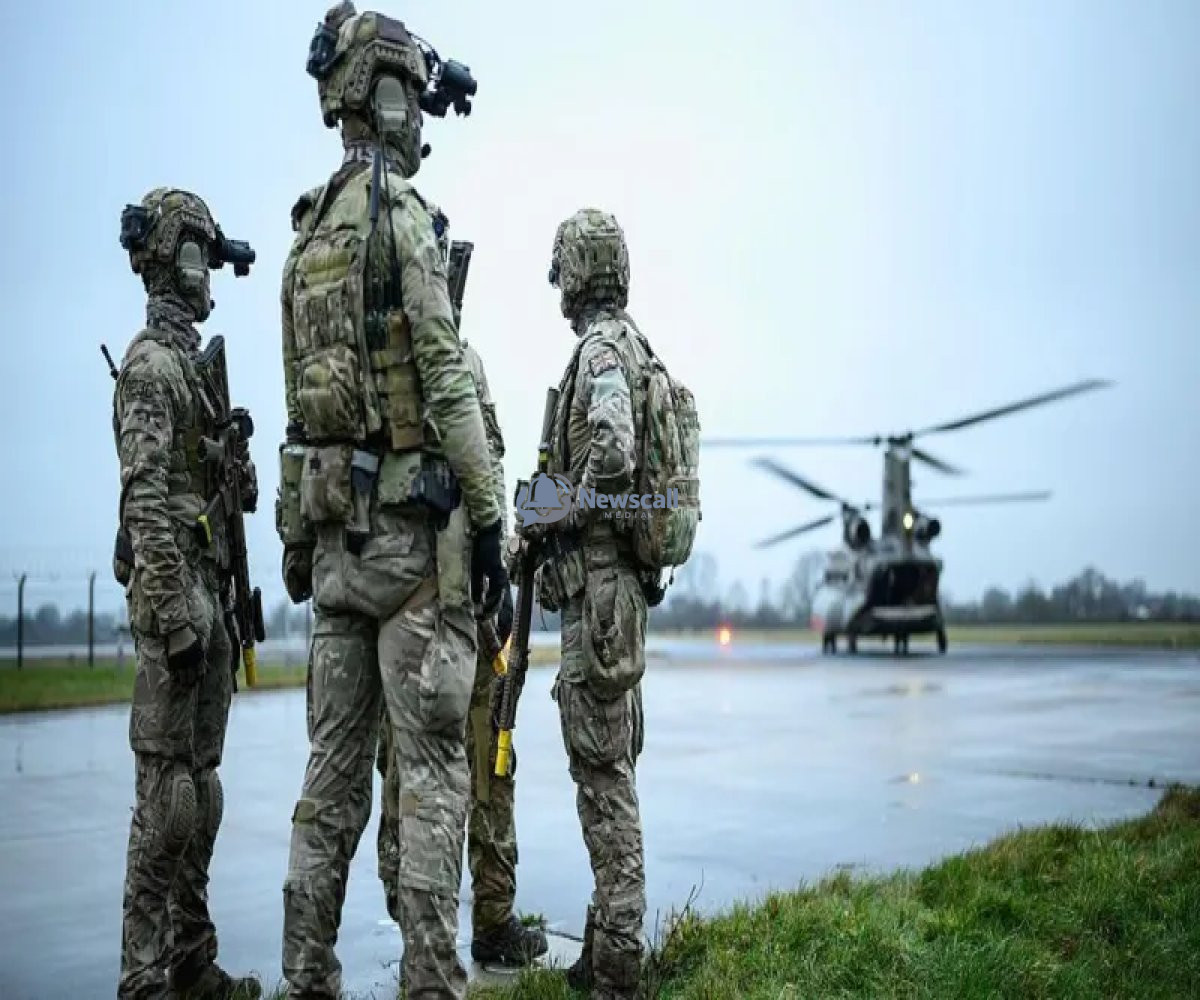
UK Unveils Long-Delayed Defence Investment Plan with Major Shift Toward Drones and Autonomous Warfare
The United Kingdom is set to publish its long-awaited Defence Investment Plan (DIP), introducing a major overhaul of military spending aimed at preparing the Armed Forces for future warfare.
The plan, delayed by around nine months due to funding negotiations, places advanced technology at the centre of defence strategy, including more than £5 billion investment in drones and autonomous systems over the next four years.
Prime Minister Sir Keir Starmer said the programme is designed to strengthen national security, modernise military capability and ensure Britain remains prepared for evolving global threats.
According to the Ministry of Defence (MoD), the Defence Investment Plan represents the UK’s largest-ever investment in military drone capability.
Key proposals include:
More than £5 billion for drones and autonomous systems across the Army, Royal Navy and Royal Air Force.
Development of a “Hybrid Royal Navy”, combining traditional warships with autonomous and self-operated vessels.
Funding for at least six new multi-role combat vessels.
Around £50 million for the British Army to accelerate drone operations and uncrewed ground vehicles.
Development of autonomous fighter aircraft for the Royal Air Force.
Expansion of the Storm Shroud electronic warfare drone system.
Support for Europe’s largest drone testing facility through the Uncrewed Systems Centre in Swindon.
The Army is also expected to introduce projects involving autonomous strike and surveillance capabilities designed to work alongside existing military aircraft.
Defence Secretary Dan Jarvis said the plan reflects lessons emerging from recent conflicts.
“In Ukraine and the Middle East, uncrewed systems are defining conflicts,” Jarvis stated while defending the accelerated investment into modern battlefield technologies.
The government also confirmed that parts of the plan have been revised to prioritise faster deployment of frontline equipment and shorten military procurement cycles.
The Defence Investment Plan arrives at a time when military doctrines across Europe are changing rapidly.
Conflicts in Ukraine and the Middle East have demonstrated how relatively low-cost drones can neutralise expensive military assets, forcing governments to rethink traditional defence models. According to UK defence officials, Ukraine has reportedly relied on hundreds of thousands of drones monthly to sustain battlefield operations.
The delayed release of the plan also exposed tensions inside government over military funding.
Reports indicate the Ministry of Defence had sought substantially higher funding than what was ultimately agreed, contributing to political disagreements and leadership changes within the department.
The policy also aligns with broader commitments made through the UK’s Strategic Defence Review and NATO’s push for stronger long-term defence spending among member state
The UK’s Defence Investment Plan marks one of the country’s most ambitious military modernisation efforts in recent years.
By prioritising drones, artificial intelligence and autonomous systems, the government is signalling a strategic shift away from conventional military structures toward technology-led defence.
Whether the funding proves sufficient remains debated, but the direction of travel is clear: future military readiness will increasingly depend on speed, autonomy and advanced battlefield innovation.

Nwekwe Esther Amarachukwu
Public speaker,Research-driven writer covering politics and public affairs, committed to accuracy, and meaningful public discourse.