


Lagos Blue Line Rail Carried 3.5 Million Passengers in 2025 as Daily Trips Hit 90.
The Lagos State Government has announced that the Lagos Rail Mass Transit (LRMT) Blue Line transported approximately 3.5 million passengers throughout 2025, with daily ridership rising to 15,000 commuters.
Commissioner for Transportation, Oluwaseun Osiyemi, revealed the figures during the 2026 ministerial press briefing marking the third year of Governor Babajide Sanwo-Olu’s second term.
"We have seen daily trips on the Blue Line increase from 57 to 72, and currently stand at 90 daily trips in 2025, demonstrating growing public acceptance of the rail system," Osiyemi explained.
He noted that the state government continues to strengthen operations through additional coaches and ongoing infrastructure expansion. Construction on Phase II of the Blue Line is progressing, with track laying, station construction, and power system installations underway. Major components, including the Mazamaza and LASU bridges, have been completed, while work advances on stations at Festac, LASU, and Volkswagen.
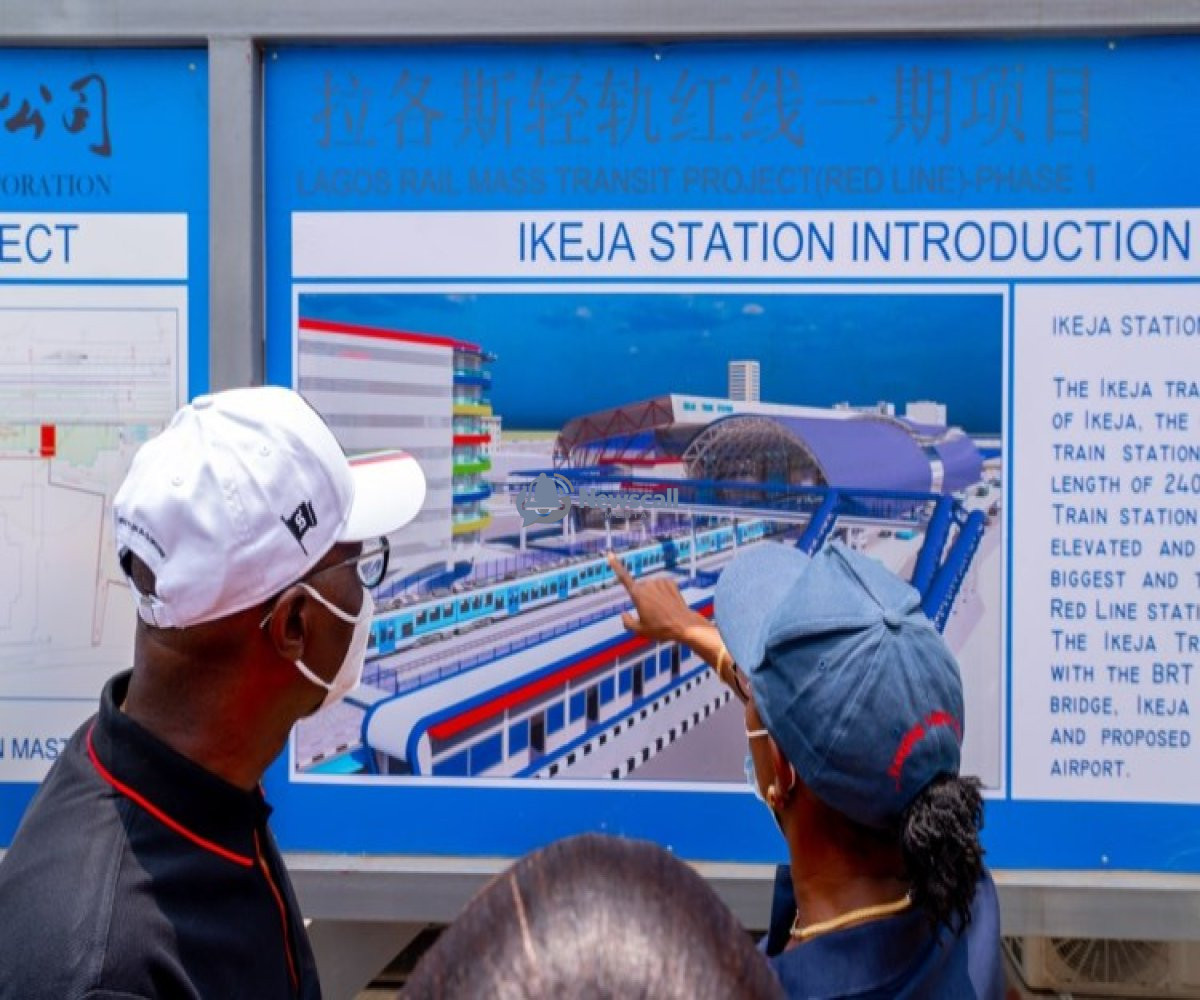
The commissioner also stated that the government is expanding operations on the Red Line rail project to improve connectivity and reduce travel time. The first phase of the 37-kilometre Red Line corridor runs from Agbado to Oyingbo, sharing tracks with the Nigerian Railway Corporation. A new set of 24-car trains has recently been received to strengthen Red Line operations, boost passenger capacity, and cut waiting times.
The Blue Line, Lagos’ first intra-city rail system, began commercial operations in September 2023 on the Marina–Mile 2 corridor after years of delays. Its first phase covers about 13 kilometres, with Phase II expected to extend the line to Okokomaiko to ease pressure on road transportation.
Ridership has grown steadily since launch. In January 2024, the Lagos Metropolitan Area Transport Authority (LAMATA) reported that the Blue Line had carried over 583,000 passengers in its first four months. By September 2024, that figure had surpassed two million.
In a related statement posted on X by the ministry’s Director of Public Affairs, Bolanle Ogunlola, Osiyemi also disclosed that the state’s bus service has transported more than 60 million passengers since operations began. According to the report, the Lagos Bus Service Limited (LBSL) moved 60,882,000 passengers between May 2019 and February 2025, currently moving over 42,266 passengers daily with an average of 1,000 bus trips per day. The ministry said LBSL maintains relatively affordable fares compared to informal transport operators.
Osiyemi added that LBSL now operates the widest public bus network coverage in Lagos, serving all five IBILE divisions and 13 local government areas, including Ibeju-Lekki, Ojo, and Ikorodu. The agency runs 21 transport corridors and more than 40 bus routes, supported by six depots and a fleet of 300 buses.
The commissioner said these developments reflect the Sanwo-Olu administration’s commitment to building an integrated, safe, affordable, and efficient transport system under the government’s THEMES+ Agenda, adding that the state will continue expanding public transport infrastructure across road, rail, and water systems in Lagos.

Umeanozie Prosper
Writer, Novelist,blogger, content creator