


The Shift in Tech Hiring: Skills and Problem-Solving Over Formal Degrees
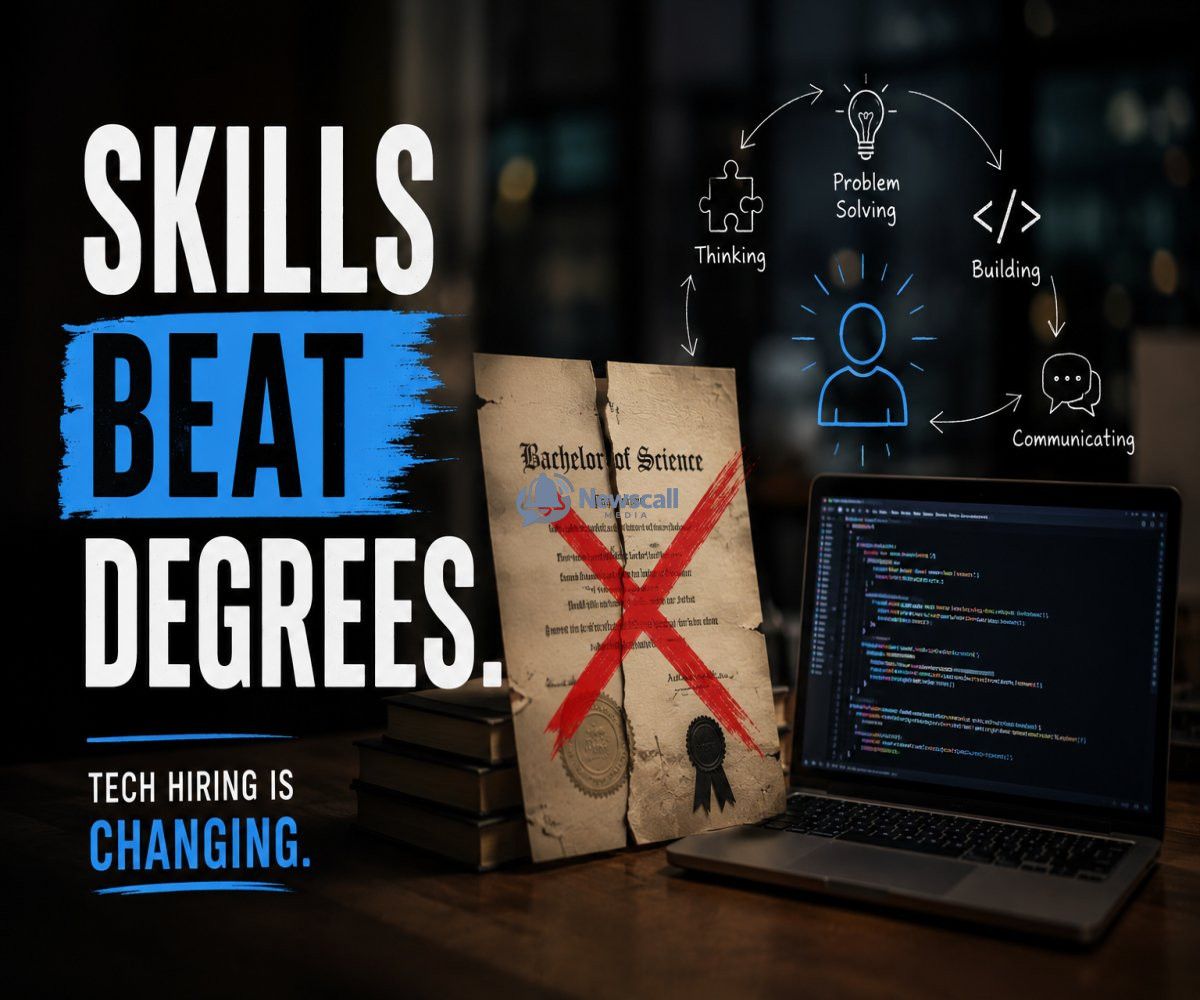
A degree used to be the standard entry point into tech. It signaled credibility, structure, and technical exposure. That structure still matters in some cases, but it no longer holds the same weight it once did.
Hiring in tech is increasingly shifting toward something harder to package on paper: the ability to solve problems in real situations.
Companies are no longer primarily asking where someone studied. They are asking what someone can actually do when the problem is unclear, the documentation is incomplete, and the system is already broken. That shift is subtle, but it has completely changed how people get hired.
The reality is that academic learning and real-world engineering often don’t look the same. Education is structured, predictable, and built around well-defined problems. Real systems are not. In production environments, requirements change without warning, users behave unpredictably, and bugs appear in places no one expected. Success in that environment depends less on memorized knowledge and more on how quickly someone can understand the situation and respond with workable solutions.
This is why problem-solving has become the core signal employers look for. Every role in tech is essentially a different expression of the same skill. Frontend work is about solving user experience and interface challenges. Backend work is about handling reliability, performance, and system structure. Cybersecurity revolves around identifying and closing gaps before they are exploited. Data roles focus on turning messy information into decisions that make sense. The tools differ, but the thinking process is consistent across all of them.
Several forces are driving this change. One of the biggest is that proof of skill is now easier to see. GitHub repositories, live projects, and technical interviews allow companies to observe how someone actually thinks, not just what they claim to know. At the same time, remote work has expanded hiring beyond borders, making degrees less effective as a universal filter. Speed has also become a major factor. Companies want people who can contribute quickly without long adjustment periods, and that naturally favors practical experience over purely academic backgrounds.
Because of this, what gets attention in hiring today is shifting. Real projects carry more weight than academic performance. Clear thinking during technical interviews matters more than memorized answers. Consistency in building and learning often stands out more than formal qualifications. Employers want evidence that someone can work through problems, not just describe how they would solve them.
This does not mean degrees have lost all value. In certain fields like research-heavy engineering, large corporate systems, or highly specialized technical roles, formal education still plays an important role. But in most modern product-driven tech companies, it is no longer the deciding factor. It has become one signal among many, rather than the gatekeeper it once was.
What defines success in today’s tech landscape is simple. The ability to take an unclear problem, break it down, and turn it into something functional and reliable matters more than the path someone took to get there. That gap between knowing and doing is where hiring decisions are increasingly being made, and it is only getting wider.

Victor Oluebubechukwu Akuma.
Creative writer