

Nigeria Was Looted Into Poverty” — Peter Obi Fires Warning Ahead of 2027
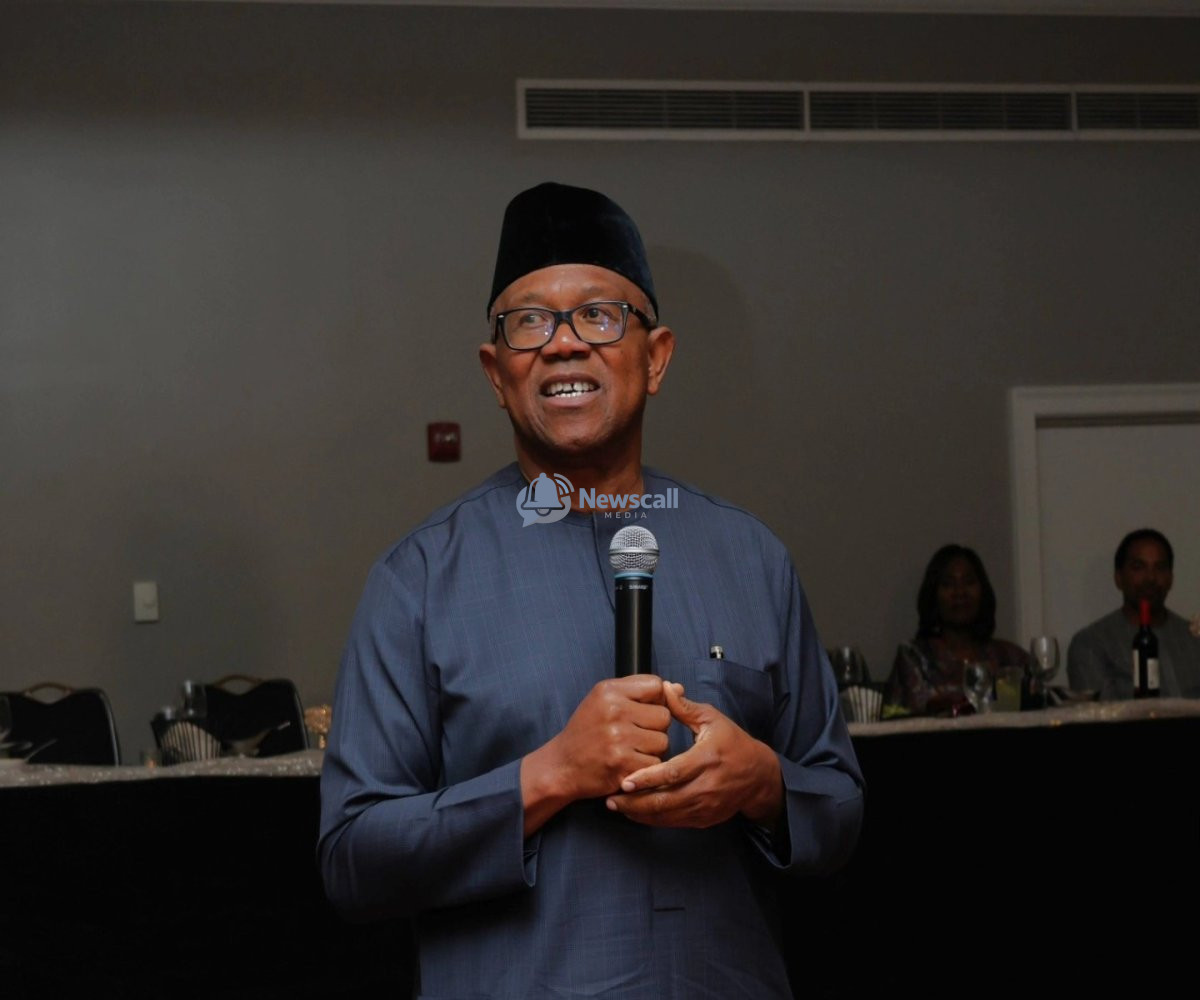
Former governor of Anambra State and former presidential candidate, Peter Obi, has expressed strong optimism that Nigeria will witness a free, fair and credible general election in 2027, insisting that the country can overcome its economic and security crises through responsible leadership, transparency and a shift toward a production-driven economy.
Obi made the remarks on Saturday while addressing party faithful and delegates at the national convention of the Nigeria Democratic Congress. Speaking passionately about the state of the nation, the former Labour Party presidential candidate said Nigeria’s current hardship was not caused by a lack of natural or human resources, but by decades of poor governance, corruption and mismanagement.
According to him, Nigeria remains one of the most blessed countries in the world, yet millions of citizens continue to suffer because public resources meant for development have allegedly been looted over the years.
“The country is not poor. Nigeria has been looted into poverty,” Obi declared during his speech. “Today, every Nigerian is worried. Families are struggling daily, and many citizens do not even know where their next meal will come from. But we are determined to change that situation.”
He lamented the growing economic hardship across the country, saying rising inflation, unemployment, insecurity and the declining purchasing power of citizens have pushed millions of Nigerians into deeper poverty. Obi argued that despite the nation’s enormous oil wealth, fertile land and energetic youth population, the government has failed to harness these resources effectively for national development.
Citing official statistics, the former governor noted that over 140 million Nigerians are currently living in multidimensional poverty, while more than 80 million young people are either unemployed or underemployed. He described the figures as alarming and a clear indication that leadership priorities in the country must urgently change.
Obi stressed that young Nigerians are not asking for handouts but for opportunities to work, create businesses and contribute meaningfully to society. He maintained that the only sustainable solution to unemployment and poverty is for Nigeria to move away from what he described as a “consumption-based economy” to a production-focused system capable of generating jobs and boosting local industries.
According to him, the country must invest heavily in agriculture, manufacturing, technology, education and small businesses in order to revive the economy and restore hope among citizens.
“We cannot continue importing what we can produce locally,” he said. “A productive economy is the only path to reducing poverty, creating jobs and securing the future of our young people.”
Obi also addressed concerns about the credibility of the 2027 general election, dismissing fears that Nigerians would be denied the opportunity to freely choose their leaders. He expressed confidence that the next election would reflect the genuine will of the people.
“Those who think we will not have a free and fair election in 2027 should rethink now,” he stated. “In 2027, Nigerians will vote in a free, fair and credible election, and the people will decide the future of this country.”
The former governor further used the occasion to explain his decision to align with the Nigeria Democratic Congress, saying his political decisions have always been guided by principle, integrity and the desire to build a better Nigeria rather than personal ambition.
Quoting former British Prime Minister Winston Churchill, Obi said: “Some men change their party for the sake of their principles; others their principles for the sake of their party.”
He explained that his decision to join the NDC was motivated by the need to work with like-minded leaders who are committed to rebuilding Nigeria and offering citizens a credible alternative ahead of the 2027 elections.
Obi urged Nigerians not to lose hope despite the country’s challenges, assuring party members and supporters that meaningful change is possible if leaders are held accountable and national resources are properly managed.
He concluded by calling on citizens, especially young people, to remain engaged in the democratic process and continue demanding good governance, accountability and policies that prioritize the welfare of ordinary Nigerians.

Anozie Chiemerie Emmanuel
Writer