Swedish Envoy to Syria Faces Charges Over Mishandling Classified Documents
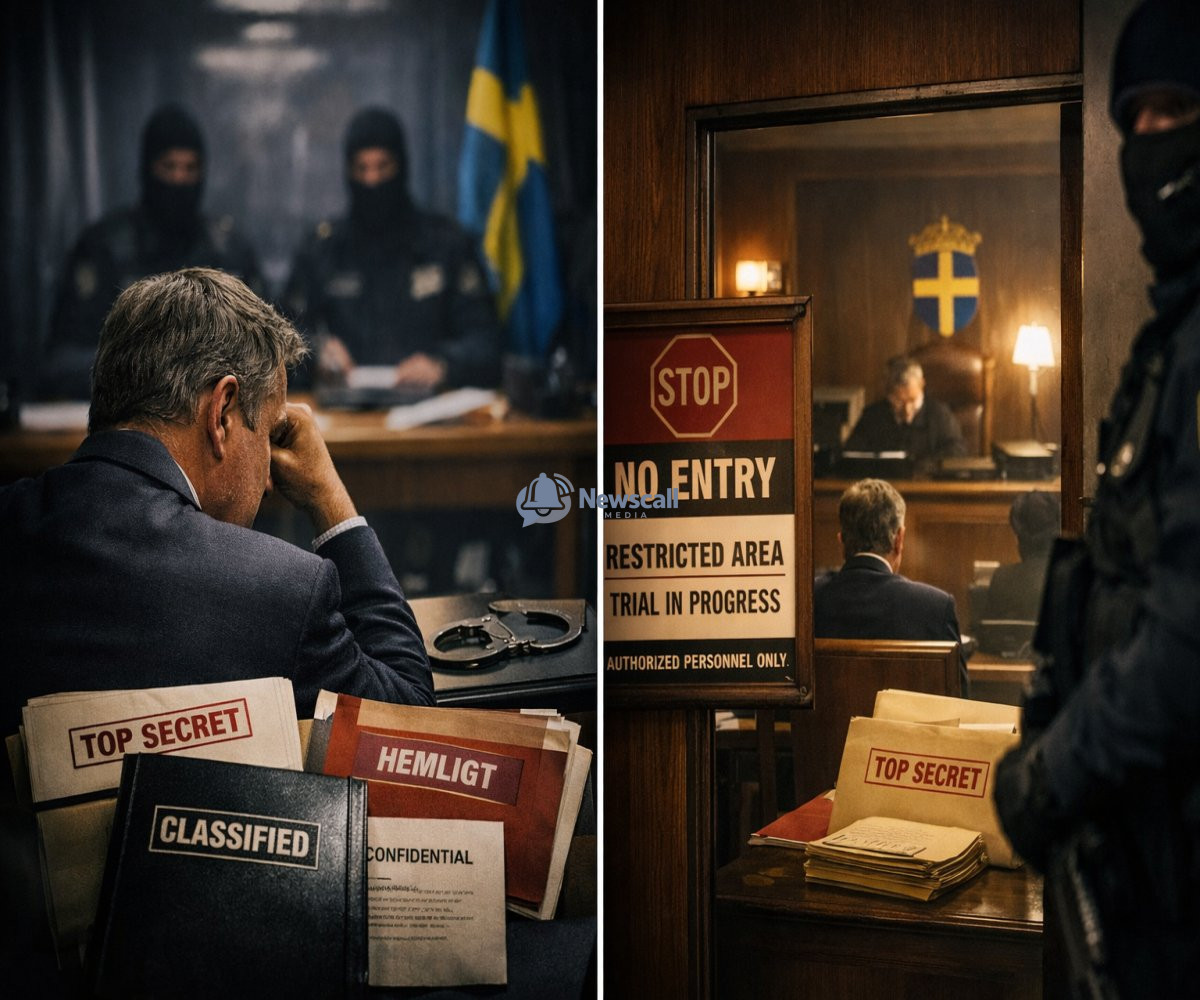
Sweden, a nation long admired for its reputation of discretion and neutrality, now finds itself grappling with a scandal that has shaken its foreign ministry to the core. A senior diplomat, serving as special envoy to Syria, has been formally charged with unauthorized possession of highly classified documents—an allegation that prosecutors warn could have jeopardized national security.
A Case That Pierces Diplomatic Armor
According to prosecutor Mats Ljungqvist, the envoy accessed the sensitive files during his official duties but later removed them without authorization, storing them at both his residence and holiday home. The documents, deemed critical to Sweden’s security, carried information so sensitive that their disclosure to a foreign power could have had grave consequences.
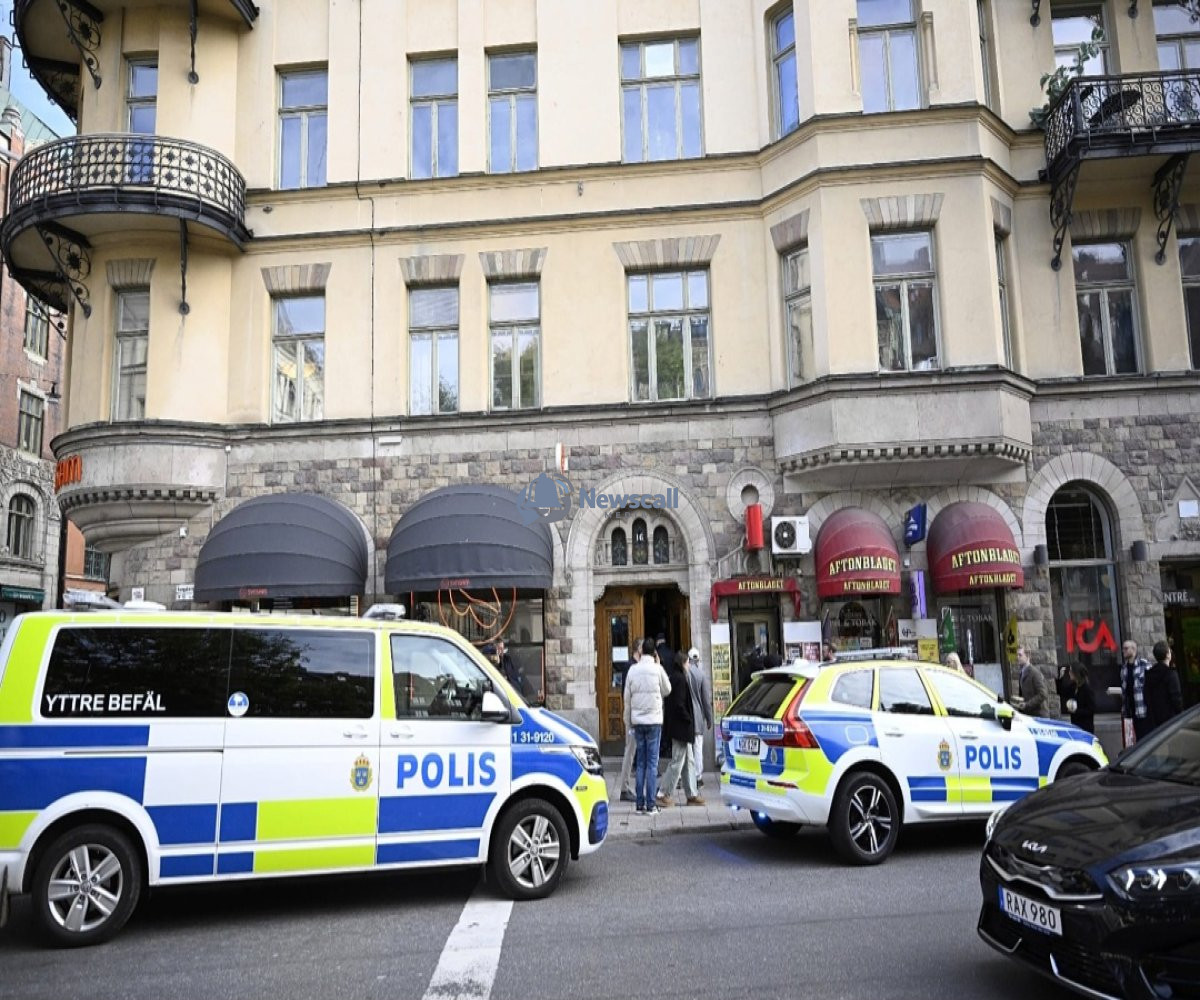
The arrest in May 2025 was dramatic. Sweden’s security service, Sapo, staged dawn raids, disguising agents as construction workers before storming the diplomat’s properties. Another individual was detained during the operation but was later cleared of suspicion.
Shadows of Espionage
The envoy had also been suspected of transmitting classified material to a former politician in Gävle. That line of inquiry was eventually dropped due to insufficient evidence, but the mere suggestion of such a link has added to the intrigue surrounding the case.
This scandal comes against the backdrop of another tragedy within Sweden’s diplomatic corps: the suicide of Joachim Bergstrom, a diplomat arrested on suspicion of espionage in 2025. Together, these incidents have cast a harsh spotlight on the foreign ministry’s internal oversight and its handling of sensitive information.
Defense and Denial
The envoy’s lawyer has dismissed the charges as unfounded, arguing that at worst, the matter should be treated as a disciplinary breach rather than a criminal offense. “This is not espionage,” the defense insists, portraying the case as an overreach by prosecutors eager to make an example of a high-profile figure.
Yet prosecutors remain firm. Ljungqvist has emphasized that the unauthorized possession of such documents is not a trivial matter, but one that strikes at the heart of Sweden’s national security obligations.
A Nation at a Crossroads
The timing of the scandal is particularly sensitive. Sweden is deepening its integration into NATO, a move that places heightened importance on safeguarding classified information. Allies will be watching closely to see how Sweden responds, and whether its protocols for handling sensitive material can withstand scrutiny.
The trial underscores the delicate balance between diplomatic discretion and national security. Diplomats often operate in the shadows, entrusted with information that can shape international relations. But when that trust is broken—or even appears to be—questions inevitably arise about the safeguards in place.
The Bigger Picture
This case is not just about one envoy. It is about the credibility of Sweden’s foreign service, the resilience of its institutions, and the confidence of its allies. The scandal has already prompted calls for tighter oversight within the ministry, with some suggesting that Sweden must overhaul its protocols for handling classified documents.
The outcome of the trial will likely set a precedent. If the envoy is convicted, it will send a clear message that mishandling classified information—even without evidence of espionage—will be treated as a serious crime. If acquitted, it may embolden critics who argue that Sweden’s security services are overzealous in their pursuit of internal threats.
Conclusion
As the trial unfolds, Sweden finds itself navigating treacherous waters. The envoy’s fate will not only determine his personal future but will also shape the contours of Sweden’s diplomatic credibility in an era of heightened geopolitical tension.
In the end, this scandal is a reminder that the guardians of state secrets are human—and that even in nations famed for discretion, vulnerabilities remain. The world will be watching Sweden’s response, and the verdict may well define how the country safeguards its place within the NATO

OKORO WILSON EGWU
“Independent journalist delivering sharp, reporting on global conflicts, humanitarian crises, and international diplomacy. Known for transforming complex world events into...