

EU Finalizes €90 Billion Loan to Ukraine Amid War With Russia
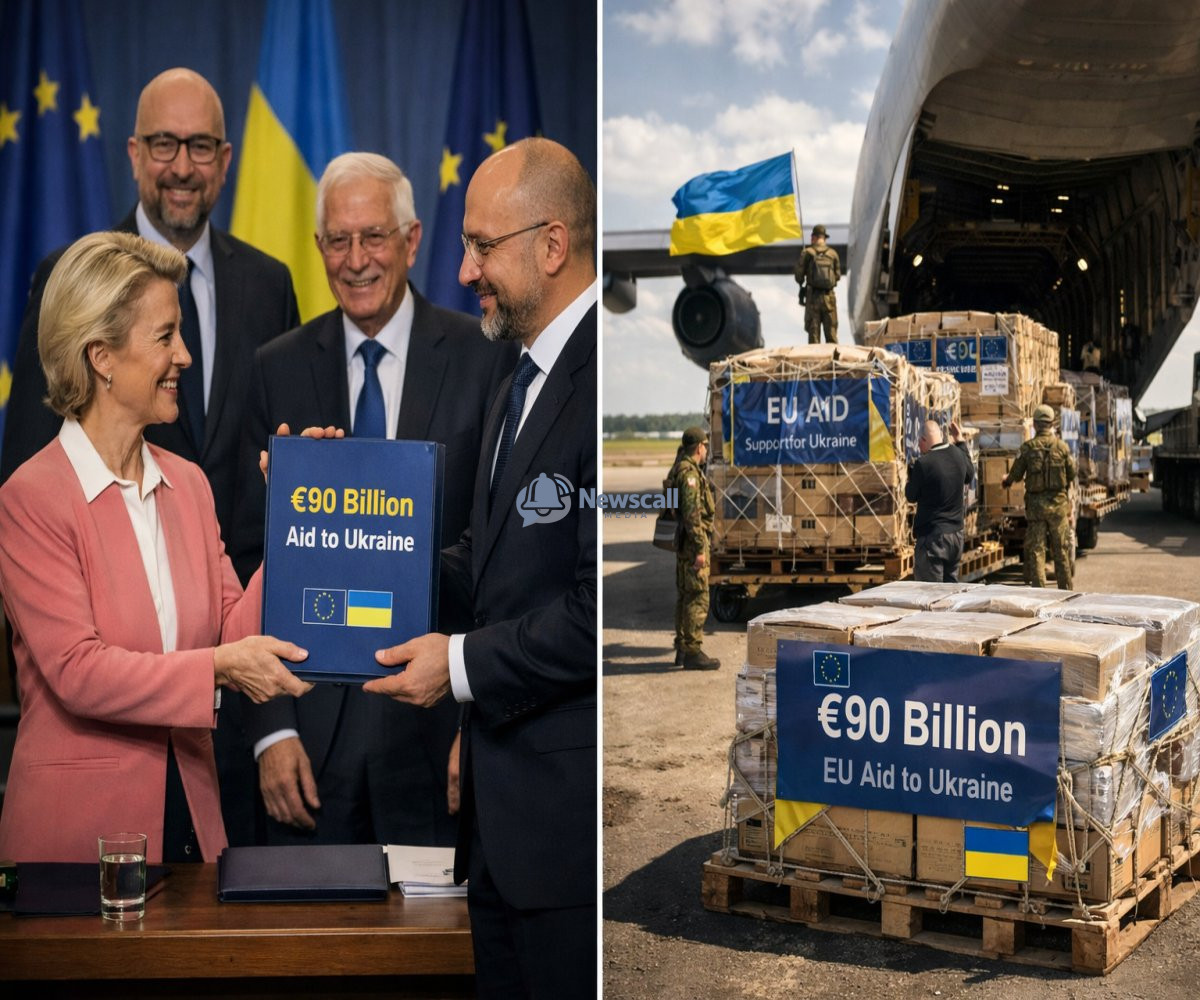
The European Union has formally approved a landmark €90 billion loan package to Ukraine, a sweeping measure designed to sustain Kyiv’s war effort and stabilize its battered economy through 2026 and 2027. The deal, underpinned by frozen Russian assets, signals Europe’s determination to shoulder responsibility for Ukraine’s survival as the war with Russia grinds into its fifth year.
The Mechanics of the Loan
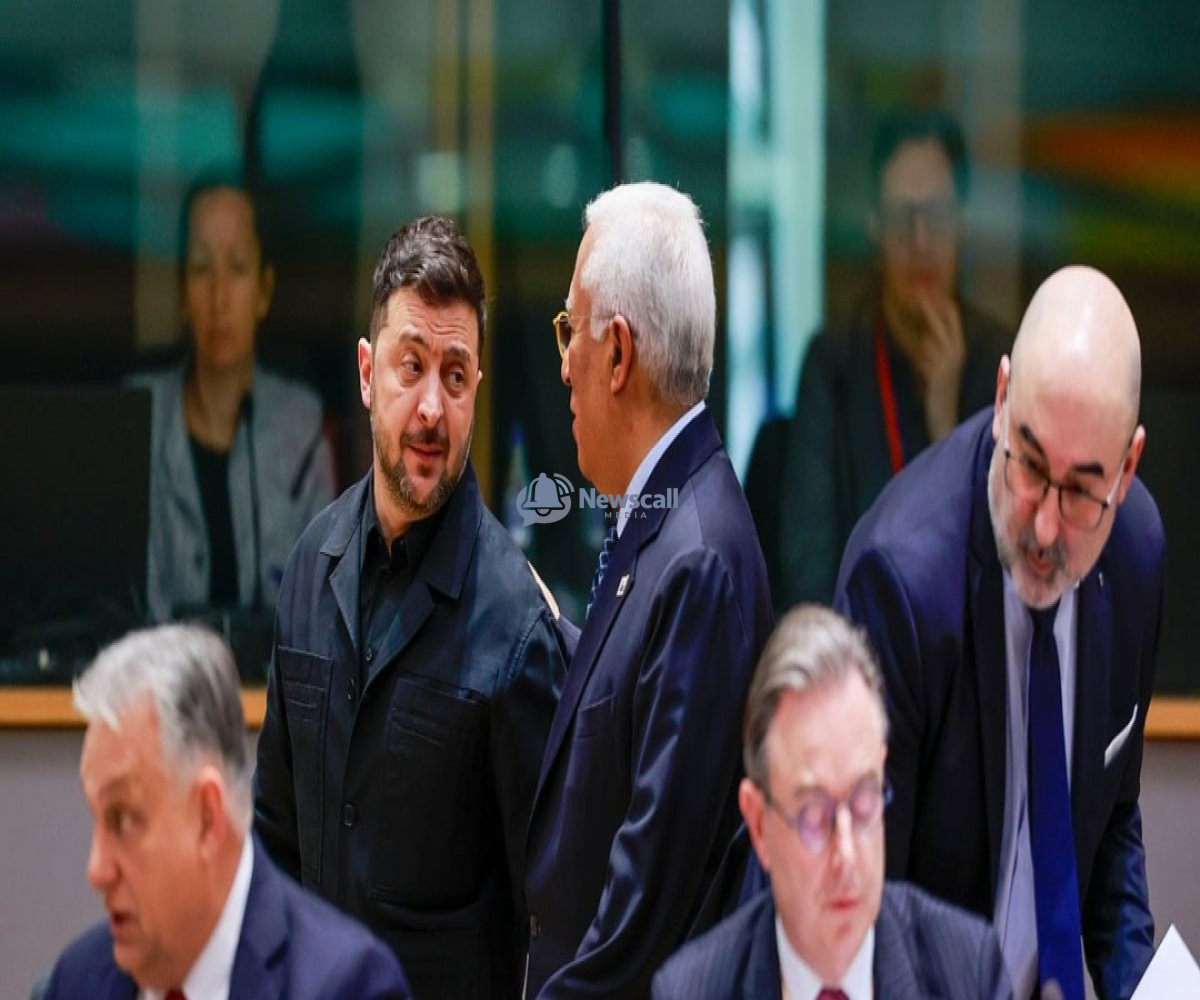
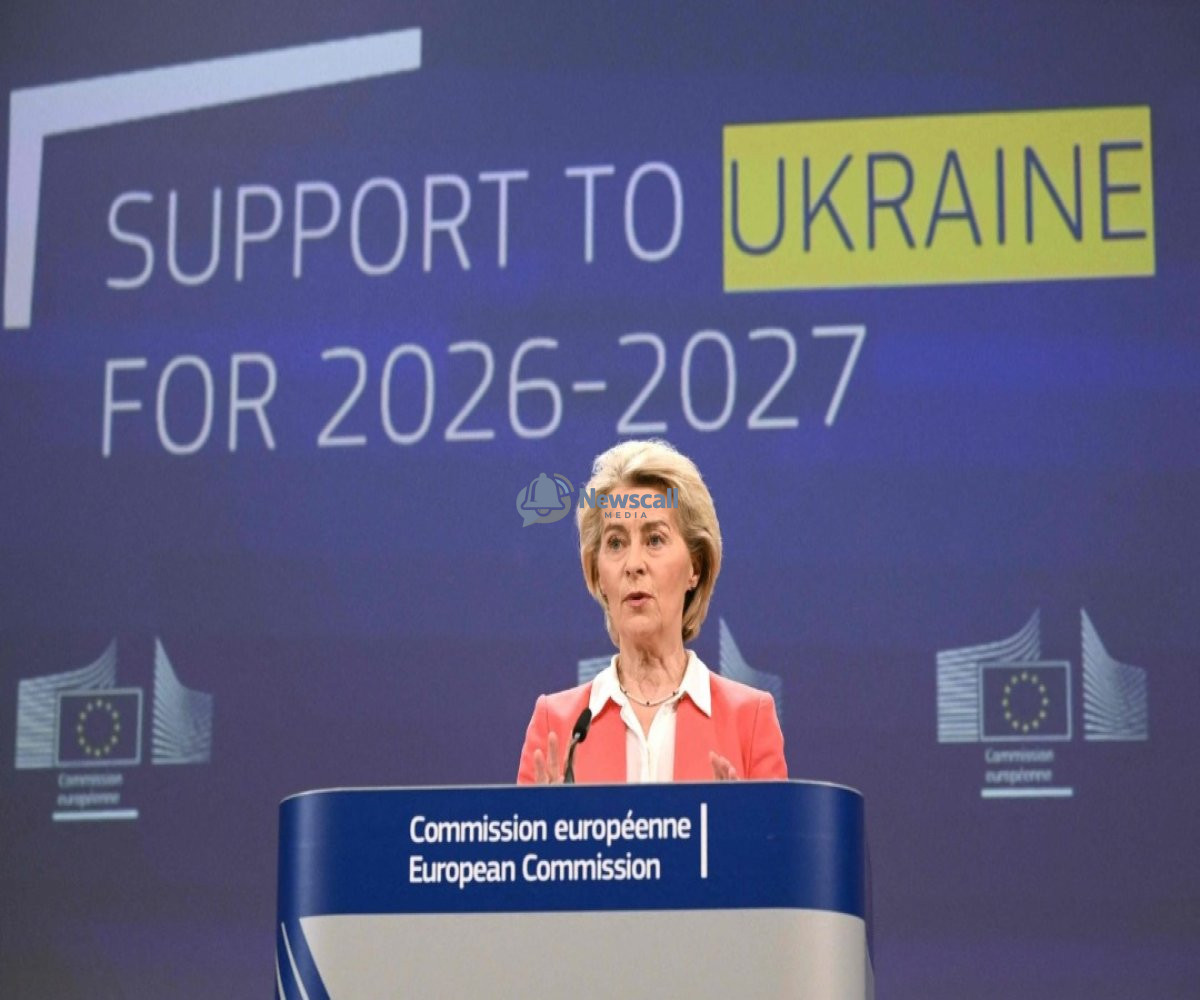
The package will be disbursed in two equal tranches: €45 billion in 2026 and another €45 billion in 2027. Each year, €28 billion will be earmarked for military needs, while €17 billion will go toward budgetary support—keeping Ukraine’s government afloat as it struggles with mounting costs and dwindling external aid.
Crucially, Ukraine is not expected to repay the loan directly. Repayment is tied to future Russian war reparations, effectively shifting the financial burden onto Moscow. This arrangement underscores Europe’s intent to hold Russia accountable for the destruction wrought by its invasion.
Political Fault Lines
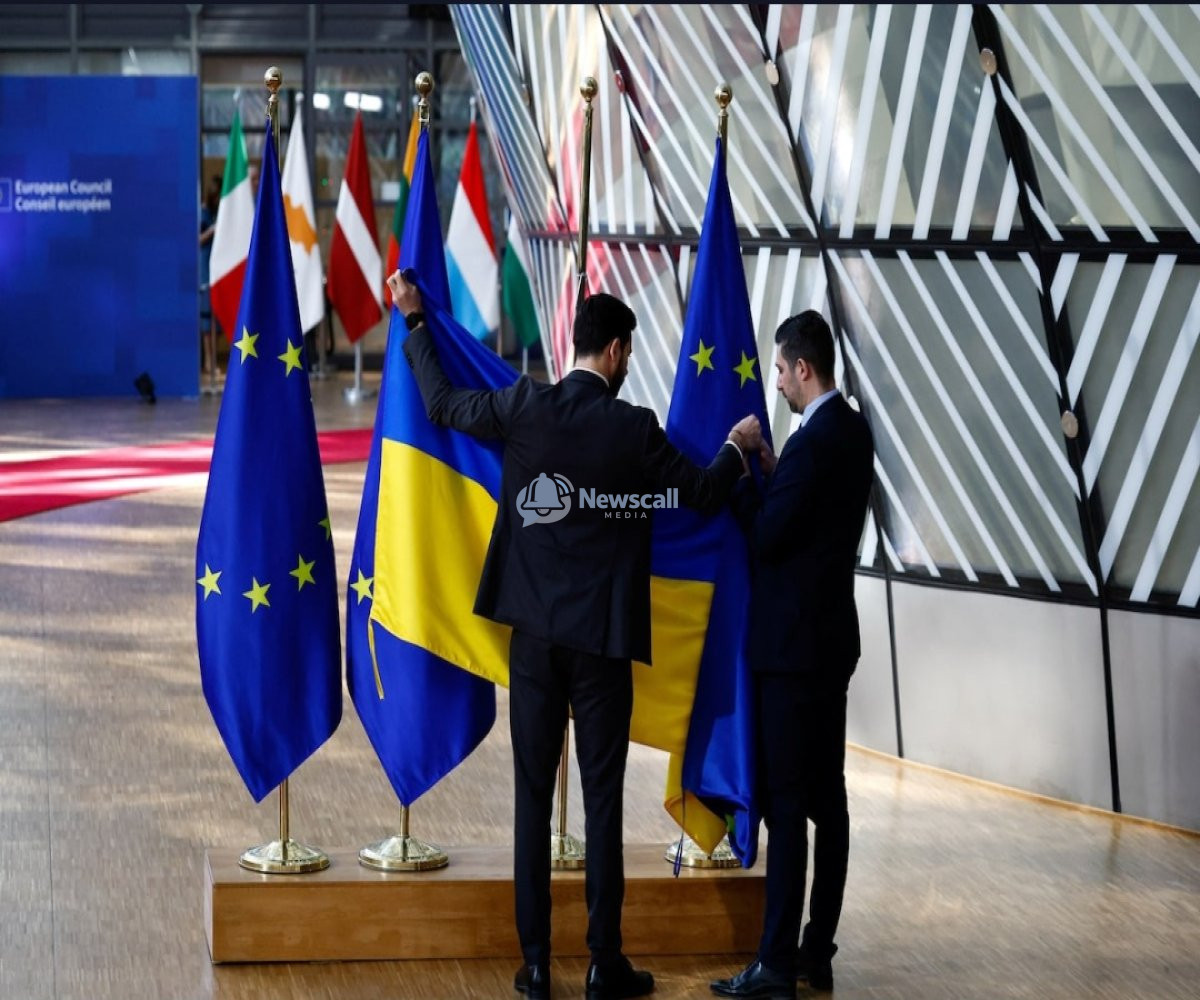
The approval was not without friction. Hungary, Slovakia, and the Czech Republic secured exemptions from participation, reflecting divisions within the bloc. Hungary’s recent election defeat removed a key obstacle, clearing the way for consensus among the remaining member states.
These exemptions highlight the political fault lines within the EU, where differing national interests and domestic pressures continue to shape responses to the war. Yet the overall package demonstrates a collective resolve to provide long-term support to Ukraine.
Context and Timing
The loan comes at a critical juncture. With U.S. support waning and Ukraine’s economy under severe strain, Europe’s intervention is both financial lifeline and geopolitical statement. Alongside the loan, the EU has tightened sanctions on Russia’s energy and banking sectors, reinforcing its strategy of economic pressure.
For Ukraine, the funds represent more than money—they are a guarantee of continued European backing, a reassurance that Kyiv will not be left to fight alone.
A Geopolitical Statement
Beyond the numbers, the loan is a powerful symbol. By tying repayment to Russian reparations, the EU has reframed the conflict in moral and legal terms: Russia must pay for the damage it has caused. This approach also shields Ukraine from the crushing weight of debt, allowing it to focus on survival and eventual recovery.
The package is also a signal to NATO allies and global partners. Europe is stepping into a leadership role, filling gaps left by Washington’s wavering commitment. It is a declaration that Ukraine’s fate is inseparable from Europe’s security, and that the EU is prepared to act decisively.
Conclusion
The €90 billion loan is more than a financial instrument—it is a statement of intent. Europe is determined to ensure Ukraine’s endurance, even as the war drags on and political divisions persist. By shifting the burden of repayment onto Moscow, the EU has underscored its resolve to hold Russia accountable.
As the war enters its fifth year, this package may prove pivotal—not only in sustaining Ukraine’s war effort but in shaping the contours of Europe’s geopolitical future. The outcome will test the EU’s unity, resilience, and ability to safeguard its values in the face of prolonged conflict.

OKORO WILSON EGWU
“Independent journalist delivering sharp, reporting on global conflicts, humanitarian crises, and international diplomacy. Known for transforming complex world events into...