


Nobel Laureate’s Breakthrough Device Harvests Water From Desert Air
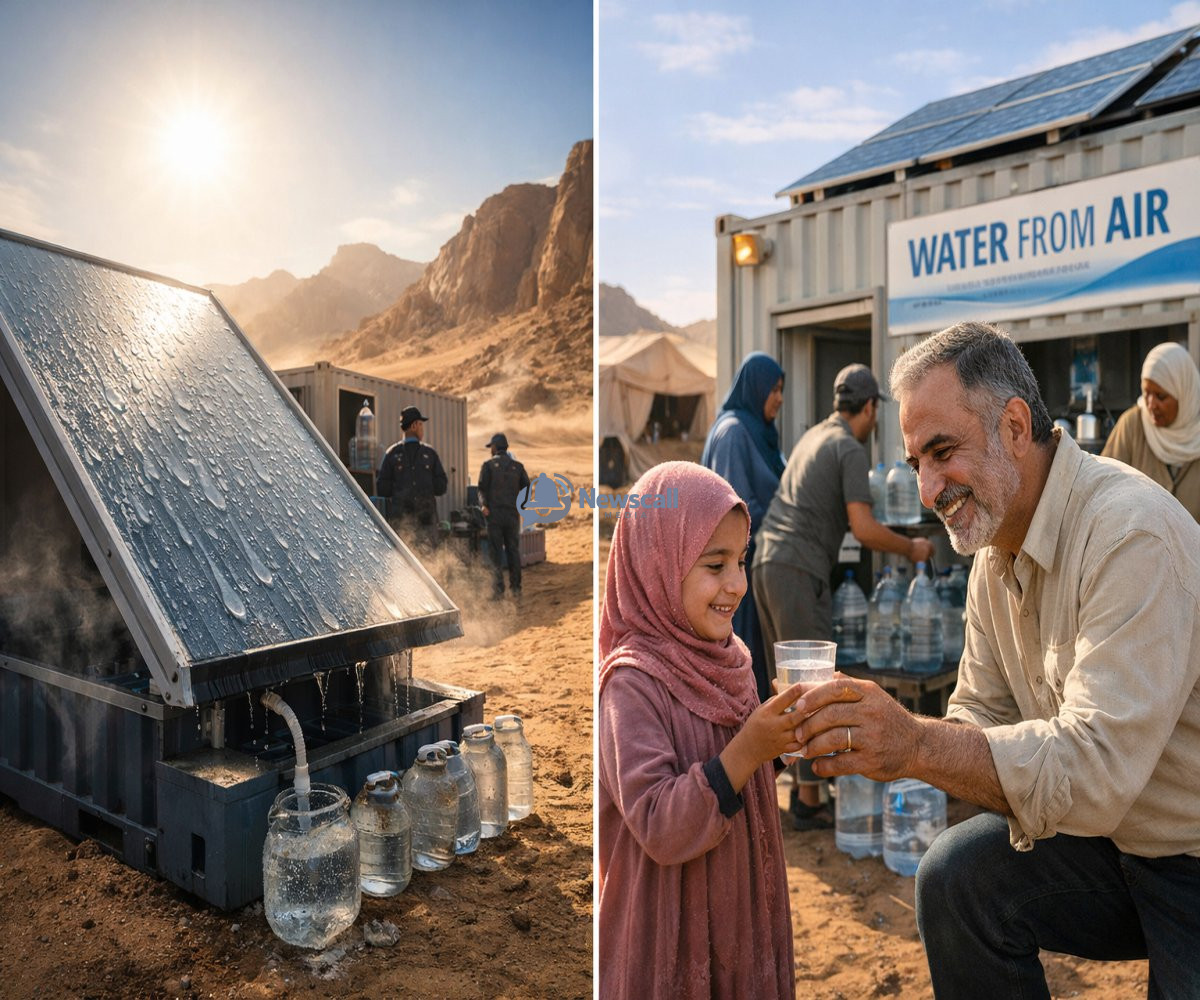
In a world increasingly defined by water scarcity, a Palestinian-born Nobel Prize-winning chemist has unveiled a device that could change the trajectory of global water security. Omar Yaghi, professor at UC Berkeley and recipient of the Nobel Prize in Chemistry in 2025, has developed a revolutionary system capable of extracting clean drinking water directly from desert air—without the need for electricity.
A Scientific Marvel

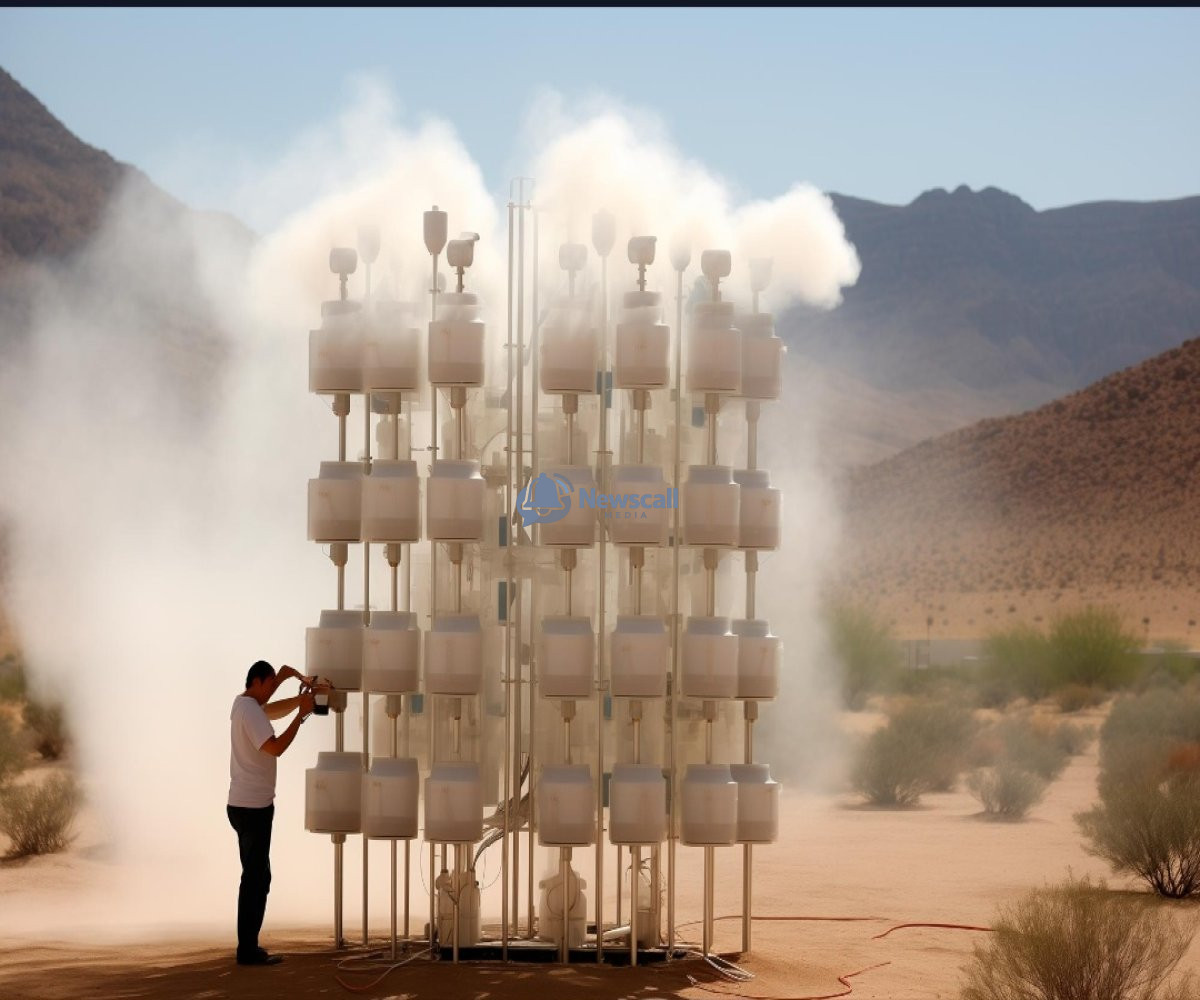
At the heart of Yaghi’s invention lies the cutting-edge science of metal-organic frameworks (MOFs). These crystalline materials act like nano-scale sponges, capturing even the faintest traces of moisture from arid air. Once exposed to sunlight, the frameworks release the trapped vapor as liquid water.
Field tests in desert environments have demonstrated the system’s remarkable efficiency: up to 1,000 liters of potable water can be produced daily. Unlike traditional desalination plants, which demand vast infrastructure and generate environmentally harmful brine, Yaghi’s device is modular, housed in shipping containers, and capable of operating independently of power grids.
A Timely Breakthrough
The innovation arrives as the United Nations warns of a looming “global water bankruptcy era.” Currently, 2.2 billion people lack access to safe drinking water, while 4 billion face severe shortages. Against this backdrop, Yaghi’s device offers not just hope but a practical solution—one that could be deployed in conflict zones, drought-stricken regions, and disaster-hit communities.
By decentralizing water supply, the technology provides resilience against climate change and geopolitical instability. It represents a paradigm shift: water access no longer tethered to rivers, reservoirs, or costly infrastructure, but harvested directly from the air itself.
A Personal Journey
Yaghi’s achievement carries a deeply human dimension. Born into a Palestinian refugee family in Jordan, he grew up with limited access to water—a formative experience that shaped his scientific ambitions. His journey from scarcity to scientific triumph, culminating in a Nobel Prize, underscores the transformative power of perseverance and innovation.
This personal narrative lends poignancy to the breakthrough. For Yaghi, the device is not merely a scientific accomplishment but a response to the struggles of millions who share the hardship he once endured.
Global Implications
The implications of this technology are profound. In regions where water scarcity fuels conflict, the ability to generate clean water locally could ease tensions and foster stability. In disaster zones, it could provide immediate relief without reliance on fragile supply chains. For communities on the frontlines of climate change, it offers a sustainable lifeline.
Moreover, the modular design means scalability: units can be deployed rapidly, tailored to local needs, and expanded as demand grows. The reliance on sunlight rather than electricity makes the system viable even in the most remote and resource-poor settings.
Conclusion
Omar Yaghi’s breakthrough is more than a scientific milestone—it is a beacon of hope in an era of mounting environmental and humanitarian crises. By harnessing the invisible moisture in desert air, his invention redefines what is possible in the fight against water scarcity.
As the world confronts the twin challenges of climate change and geopolitical instability, this device stands as a testament to human ingenuity and resilience. It is not just a machine—it is a promise that even in the driest deserts, life-giving water can be found.

OKORO WILSON EGWU
“Independent journalist delivering sharp, reporting on global conflicts, humanitarian crises, and international diplomacy. Known for transforming complex world events into...