

Salmonella outbreak hits again
A Global Crisis Hiding in Plain Sight
Every year, an estimated 93 to 100 million people worldwide contract a Salmonella infection — and up to 155,000 of them don’t survive it. Children under five are hit hardest, their small bodies least equipped to fight back. This isn’t a rare or distant health crisis. It is happening in kitchens, backyards, and grocery stores right now.
In the United States alone, the CDC estimates roughly 1.35 million Americans contract Salmonella annually, leading to about 26,500 hospitalizations and 420 deaths per year. The economic toll? Approximately $3.3 billion in medical expenses and lost productivity. Across the Atlantic, the UK recorded a decade-high surge, with over 10,000 lab-confirmed cases in England alone, costing the economy an estimated £210 million annually.
This is not a small problem. And it’s getting more complicated.
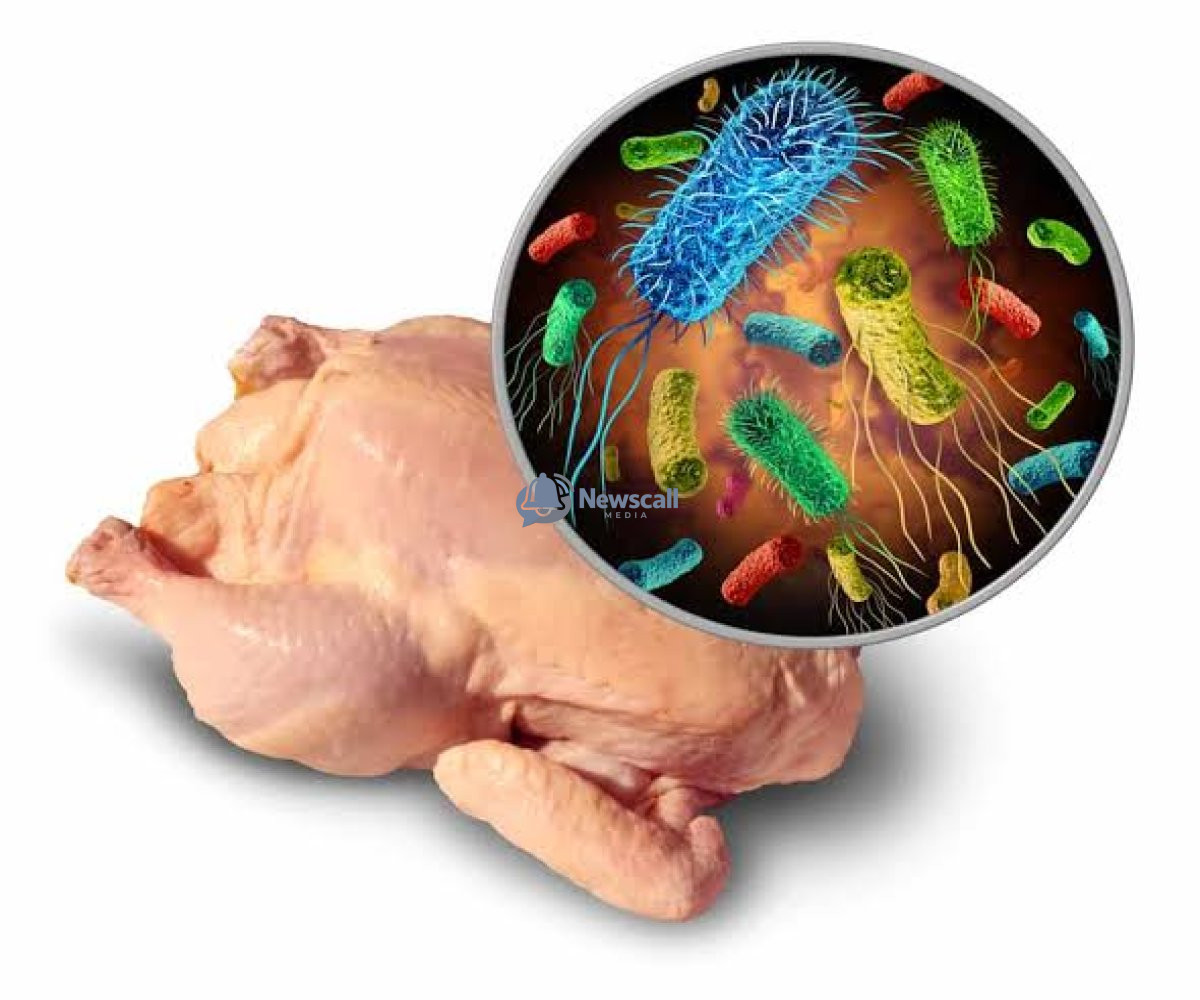
That Chicken in Your Freezer? Check It.
Just three days ago, Lidl Ireland issued a recall notice for two of its branded Irish chicken breast fillet products due to confirmed Salmonella contamination. The affected products — Free Range 100% Irish Chicken Breast Fillets (291g) and 100% Irish Diced Chicken Breast Fillets (550g) — both carried a use-by date of April 12. The Food Safety Authority Ireland (FSAI) specifically warned that because these batches were “suitable for home freezing,” contaminated products may still be sitting in people’s freezers right now.
Their advice was simple and urgent: check your freezer, and do not eat them.
This is not an isolated incident. Contaminated chicken contributes to roughly one-fifth of all Salmonella cases worldwide, with contamination rates in retail poultry ranging from 10% to over 50% depending on geography and farming practices. The two most frequently identified strains causing human illness are Salmonella enterica serotypes Enteritidis and Typhimurium — and they are everywhere.
Backyard Chickens Aren’t Safe Either
If you think the risk ends at the supermarket, think again.
A rapidly spreading outbreak linked to backyard chickens and ducks has now confirmed 184 illnesses, 53 hospitalizations, and one death — involving three strains: Salmonella Saintpaul, Salmonella Mbandaka, and Salmonella Enteritidis. Cases have been reported across 31 states.
The largest of the three strains — Salmonella Saintpaul — accounts for 133 people, or 72% of those infected. Public health officials note that patients infected with this strain more frequently reported contact with ducklings and Pekin ducks specifically. Over a quarter of those sickened are children under five years old.
“Multiple strains can exist in a chicken’s gut, and all those chicks can contaminate the store where they are sold and pass it on to other chicks,” explained Brian Ronholm, Director of Food Policy for Consumer Reports.
The cases appear linked to five hatcheries that supply birds to retailers across the country. And lest anyone think this is unusual — a previous backyard poultry outbreak stretching from late December 2024 through September 2025 infected at least 559 people, killing two.
Health officials are clear: even healthy-looking birds carry the bacteria, spreading it through direct contact, eggs, or their surrounding environment.
The Antibiotic Problem: We Made This Worse
Here’s where it gets especially alarming.
A Daily Mail report recently highlighted a deadly outbreak of antibiotic-resistant Salmonella linked to chickens and eggs — one dead, dozens hospitalized across 31 states. One commenter on X summed it up bluntly: “What do you expect when there has been an overuse of antibiotics? There’s going to be resistance.”
She’s not wrong.
The overuse of antibiotics — in both human medicine and industrial farming — has allowed Salmonella strains to evolve and resist the very drugs designed to treat them. But the danger of antibiotics goes even deeper than resistance.
Before You Reach for That Antibiotic — Read This
Here is something most people don’t know: taking antibiotics can actually make a Salmonella infection worse.
In a healthy gut, your resident bacteria act as a biological shield — a concept scientists call colonization resistance. Beneficial microbes like Bacteroidetes and certain Clostridia species naturally suppress Salmonella, keeping it from gaining a foothold. Your microbiome is, in many ways, your first line of defence.
But when that balance is disrupted — by antibiotics, poor nutrition, or prolonged stress — Salmonella exploits the gap. It doesn’t just passively benefit from the disruption; it actively engineers it. The bacteria trigger acute intestinal inflammation, which kills off many of the strict anaerobes that would otherwise compete with it. The inflamed gut then begins producing specific byproducts — hydrogen and tetrathionate — which Salmonella uses as fuel to outgrow everything else.
It goes further still. Salmonella manipulates how the host absorbs nutrients, increasing the availability of amino acids like aspartate, lysine, and ornithine — which it uses to feed and multiply. It even produces proteins called colicins to inhibit beneficial E. coli, effectively seizing control of the disrupted gut ecosystem.
In other words: Salmonella doesn’t simply infect you. It colonizes, dominates, and rewires your gut — and a poorly timed antibiotic course hands it the keys to do exactly that.
The Bottom Line
The fear is not just about the organism itself. It’s about the link between what we consume, how we farm, how we medicate — and what we ultimately manifest in our bodies and communities.
Salmonella is not going away. But awareness, food safety habits, and caution around antibiotic use are tools every person has access to right now.
Check your freezer. Wash your hands after handling poultry or live birds. And the next time you reach for an antibiotic — think of Salmonella.

Abiodun Oluwafemi
Copywriting, brandnaming, research.