

APC Explodes Over Consensus Deals as Aspirants Rebel Ahead of 2027 Primaries
APC Explodes Over Consensus Deals as Aspirants Rebel Ahead of 2027 Primaries.
APC Primaries: Governors, Aspirants Clash Over Consensus as Party Battles Growing Internal Tensions Ahead of 2027.
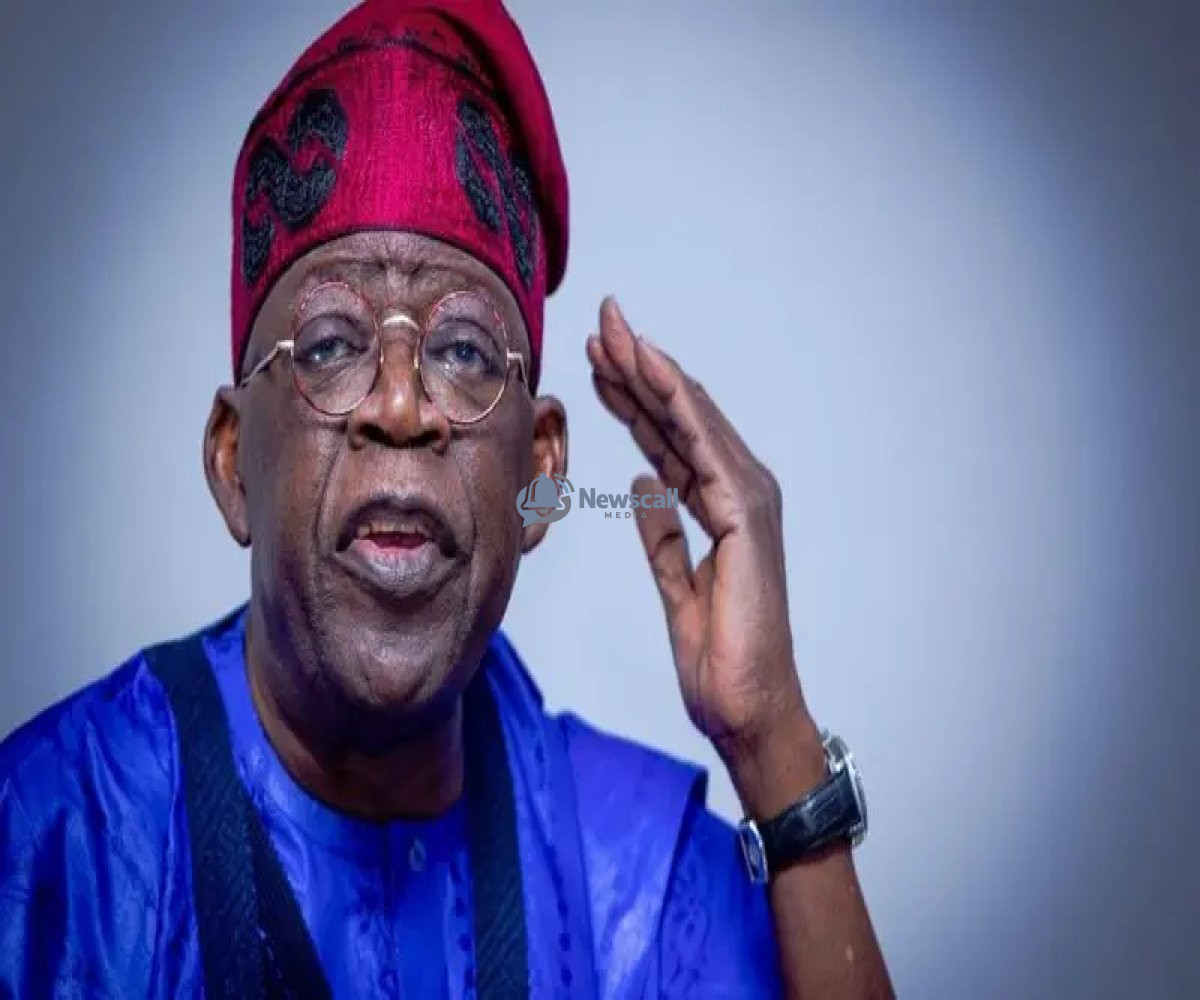
The ruling All Progressives Congress has entered one of its most turbulent internal phases ahead of the 2027 general elections, as fierce disagreements over candidate selection threaten to deepen divisions within the party.
With primaries for the House of Representatives commencing today, tensions have escalated across several states as governors and party power brokers push for consensus candidates while many aspirants insist on direct primaries, warning against what they describe as attempts to impose loyalists on party members.
The widening crisis has forced the party’s National Working Committee, NWC, to retreat from an earlier broad consensus arrangement and instead dispatch materials for direct primaries in many states.
The conflict comes even as governors elected on the APC platform have unanimously endorsed President Bola Tinubu for a second term ticket under a consensus arrangement.
However, while party leaders appear united behind Tinubu’s re-election bid, similar consensus moves at governorship, senatorial and legislative levels are facing fierce resistance nationwide.
Yilwatda warns aspirants against violence, anti-party activities
Amid the growing unrest, APC National Chairman, Professor Nentawe Yilwatda, issued a stern warning to aspirants and their supporters, cautioning against any attempt to disrupt the primaries.
Speaking through his Special Adviser on Media and Information Strategy, Abimbola Tooki, Yilwatda said the party would not tolerate violence, unrest or anti-party activities during the exercise.
“The leadership of the party would not tolerate any act capable of disrupting the smooth conduct of the primaries,” he warned.
According to him, any aspirant or supporter caught instigating violence, sponsoring unrest or undermining the integrity of the process would face disciplinary sanctions, including immediate suspension from the party.
The APC chairman urged aspirants to approach the contest with maturity and sportsmanship, stressing that democratic contests naturally produce only one winner.
“In every democratic contest, only one person will eventually emerge victorious. What is important is the spirit with which the process is approached,” he said.
APC governors unite behind Tinubu
Ahead of the primaries, the 31 governors elected on the APC platform formally endorsed President Tinubu as the party’s consensus presidential candidate for 2027.
Chairman of the Progressive Governors’ Forum and Governor of Imo State, Senator Hope Uzodimma, announced the endorsement in Abuja during the submission of Tinubu’s nomination and expression of interest forms.
Uzodimma described the decision as the implementation of a resolution earlier adopted during the APC Political Summit.
“In furtherance of that resolution and in making sure it is implemented, we are here today with Mr President to submit his expression of interest form, showing that we are united and have reached a consensus in supporting Mr President to continue the good work he is doing,” he stated.
He added that APC governors would work aggressively to market the administration’s achievements ahead of the election.
So far, only one aspirant, party chieftain Stanley Osifo, has reportedly obtained forms to challenge Tinubu for the presidential ticket.
Fierce battles erupt across states
Despite the governors’ united stance on the presidential ticket, consensus arrangements at state and legislative levels have sparked fierce confrontations.
In Ogun State, former governor Senator Gbenga Daniel is preparing for a showdown with Governor Dapo Abiodun over the Ogun East senatorial ticket.
Daniel has openly opposed any consensus arrangement.
Similarly, governorship aspirant Gboyega Isiaka is insisting on contesting the governorship primary despite mounting endorsements for Senator Olamilekan Adeola, popularly known as Yayi, as a consensus candidate.
In Enugu State, Governor Peter Mbah defended the idea of consensus, describing unity as part of the political culture of the state.
“In Enugu, we have always done things as brothers. We understand the value and significance of unity, and that is what we will continue to uphold,” he said.
Governor Mohammed Umaru Bago of Niger State also confirmed that his state would first attempt consensus before resorting to direct primaries if negotiations fail.
Aspirants reject imposition, demand direct primaries
Across several states, aspirants are strongly resisting attempts to impose candidates through consensus arrangements.
Senate Majority Leader Michael Opeyemi Bamidele clarified that under the Electoral Act, no aspirant can legally be imposed on party members.
According to him, even where consensus exists, party members must still participate in a formal endorsement process at the ward level.
“In the event that anyone disagrees with a consensus arrangement, the law is that there must be primaries,” he said.
Former Deputy Senate President Ovie Omo-Agege also declared support for direct primaries, arguing that loyal lawmakers were needed in the National Assembly to protect Tinubu’s economic reforms.
“We do not want a situation where a new crop of lawmakers comes in and begins to reverse some of those policies,” he stated.
In Rivers State, governorship aspirant Tonye Patrick Cole dismissed reports of any consensus arrangement.
“The consensus process in Rivers State does not exist. The only process that exists today is direct primary,” Cole declared.
He also dismissed concerns about competition from Governor Siminalayi Fubara, insisting both men stood on equal political footing.
Nasarawa crisis deepens over alleged manipulation
The crisis appears particularly intense in Nasarawa State, where accusations of manipulation and rigging have dominated the governorship contest.
Former Inspector-General of Police Muhammed Adamu accused Governor Abdullahi Sule of backing Senator Ahmed Wadada as his preferred successor.
Although Adamu said the governor had the right to support any candidate, his campaign team accused party leaders of attempting to pressure ward executives into endorsing Wadada.
The Nasarawa APC Integrity Forum alleged that efforts were underway to rig the primaries before voting even begins.
The group also claimed that some politicians were boasting about supposed backing from President Tinubu and businessman Gilbert Chagoury.
The forum appealed to the APC national leadership to intervene and ensure a transparent process.
Pantami rejects consensus in Gombe
In Gombe State, former Minister of Communications Isa Pantami rejected claims that a consensus arrangement had already been reached.
Pantami praised the APC screening exercise as transparent but insisted that only independent direct primaries could preserve internal democracy within the party.
“This is crucial for the survival of the APC and democracy in Nigeria,” he warned.
Tuggar questions last-minute aspirants in Bauchi
Former Minister of Foreign Affairs Yusuf Maitama Tuggar also raised concerns in Bauchi State over what he described as suspicious last-minute purchases of nomination forms.
Tuggar suggested some aspirants may have entered the race merely to later step down for preferred candidates.
“Any fraudulent or untoward practice is not entertained by the APC,” he said.
Resistance grows in Kebbi, Ondo, Zamfara and Kaduna
In Kebbi State, senatorial aspirant Dr. Kabiru Sani Giant openly rejected consensus arrangements, insisting that party members should freely choose their candidates through direct voting.
“We don’t want consensus. The people should decide,” he declared.
In Ondo State, stakeholders in the Ile-Oluji/Oke-Igbo/Odigbo Federal Constituency protested against an alleged plan to impose House of Representatives aspirant Mathew Oyerinmade, popularly known as MATO, as a consensus candidate.
In Zamfara State, several APC members criticised consensus arrangements as tools used by political leaders to manipulate outcomes for personal interests.
Former lawmaker Umar Mu’azu Maradun argued that imposed candidates had historically weakened the party during elections.
The situation is equally tense in Kaduna State, where supporters of Shehu Sani are battling rivals including Yerima Shettima and former Speaker Yusuf Ibrahim Zailani over alleged attempts to impose a consensus candidate for Kaduna Central Senatorial District.
Governor Uba Sani has reportedly established a harmonisation committee to prevent the dispute from escalating further.
Yobe embraces consensus as APC softens stance
Unlike several other states, Yobe State appears to be moving towards reconciliation.
Former Inspector-General of Police Usman Alkali Baba, who initially rejected the emergence of Baba Malam Wali as consensus governorship candidate, later announced his withdrawal from the race.
Meanwhile, growing resistance nationwide has forced the APC leadership to soften its earlier push for consensus arrangements.
A senior party source disclosed that reports from many states showed that aspirants preferred open contests rather than negotiated endorsements.
“Reports reaching the NWC showed that our members and aspirants would rather subject their aspirations to an election than concede to consensus,” the source said.
Uzodimma promises no imposition in Imo
Back in Imo State, Governor Uzodimma assured party members that no candidate would be imposed during the primaries.
Speaking during an APC stakeholders’ meeting in Owerri, he said all aspirants would enjoy equal opportunities while also respecting the state’s Charter of Equity and zoning arrangements.
Uzodimma confirmed that the party would adopt the Option A4 voting system for the primaries to guarantee transparency and wider participation.
He revealed that nine aspirants had already obtained forms for the senatorial races while more than 100 aspirants purchased forms for House of Assembly contests.
However, some aspirants warned that attempts to impose candidates could trigger a major implosion within the party.
As the House of Representatives primaries begin today and the presidential primary approaches on May 23, the APC now faces a defining internal battle that could shape not only its future but also the political landscape ahead of the 2027 elections.

Anozie Chiemerie Emmanuel
Writer