

Kano NDC Chairman Rejects Kwankwaso’s Bid to Take Control of Party Structure
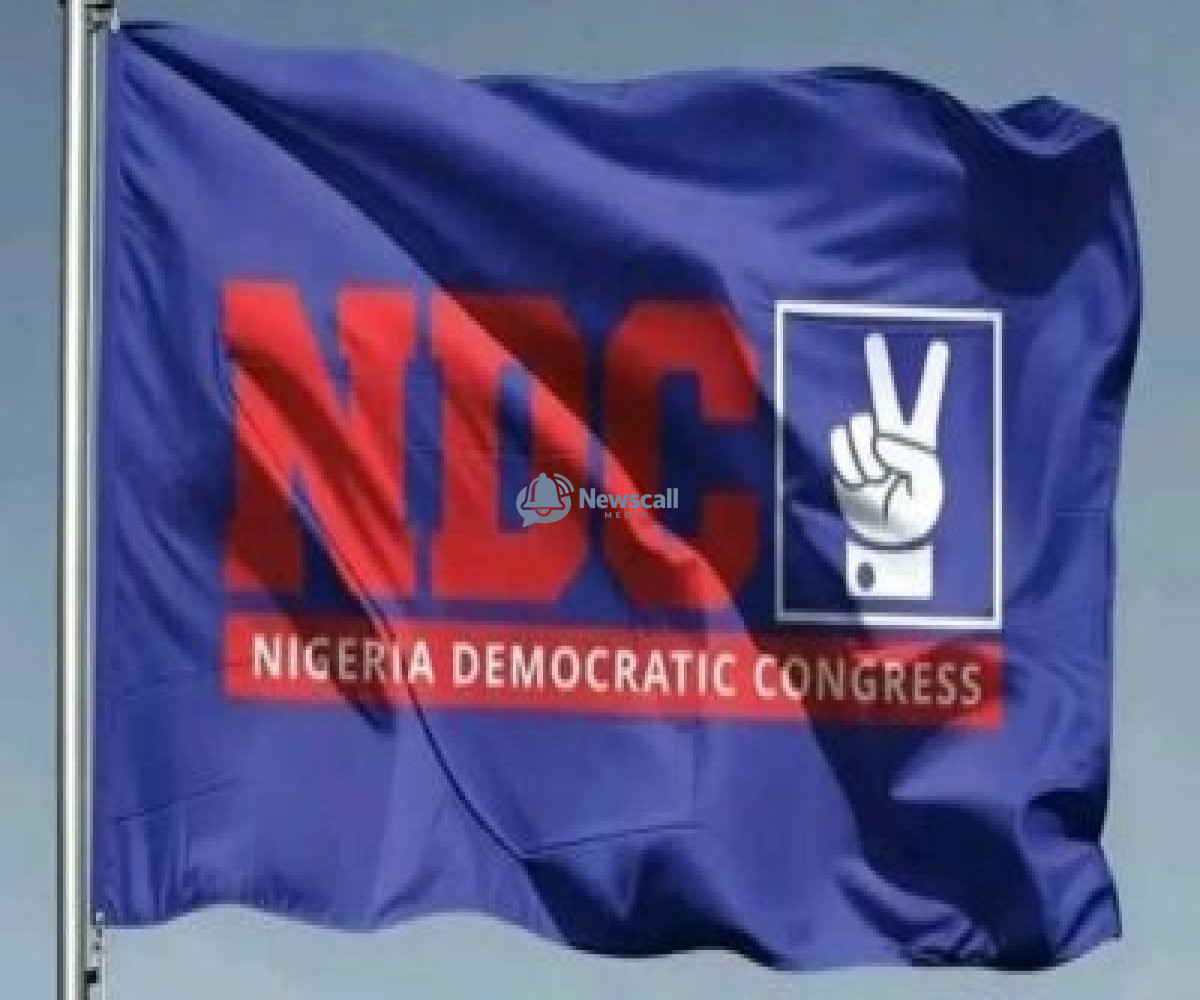
Kano NDC Chairman Rejects Kwankwaso’s Bid to Take Control of Party Structure
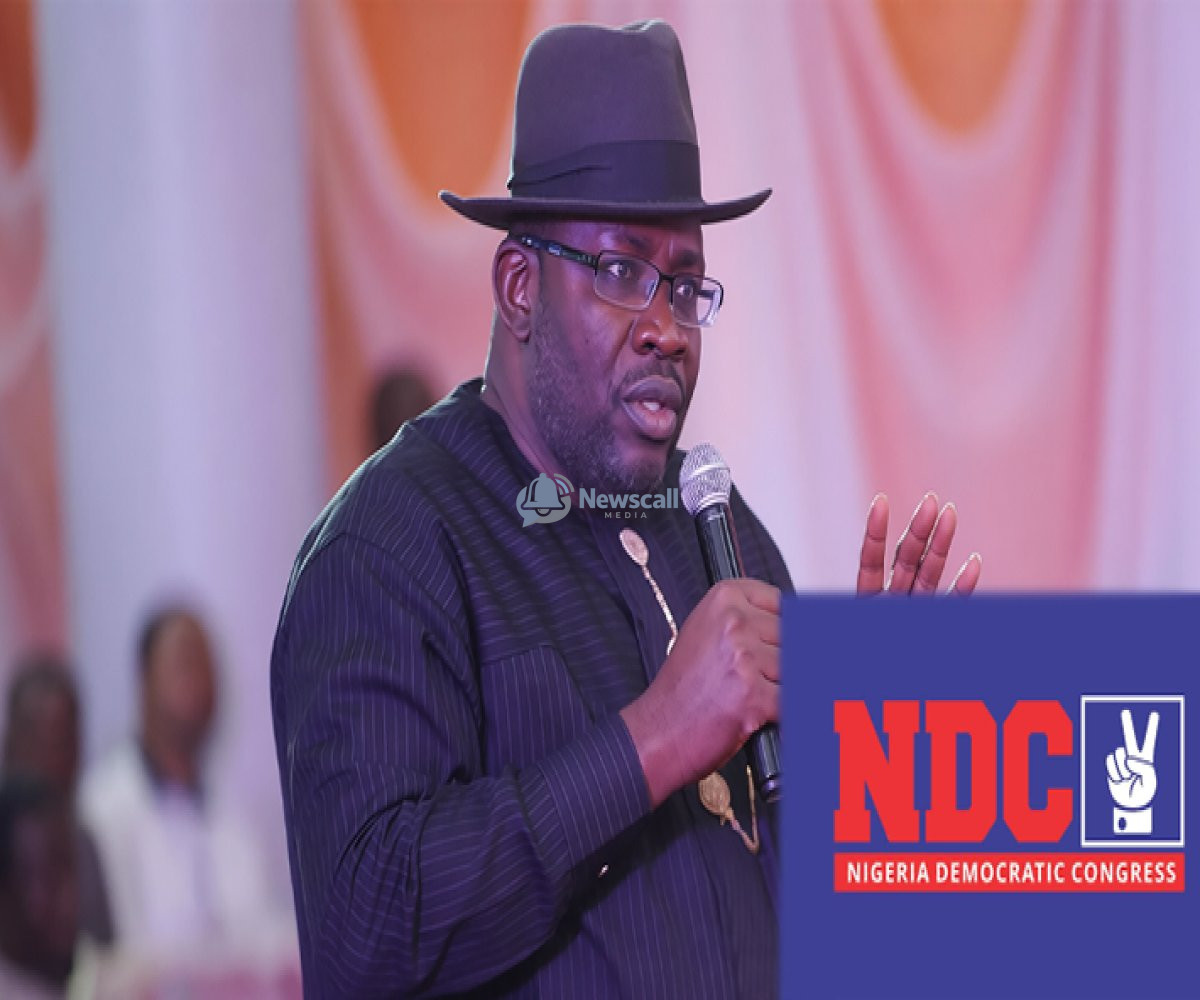
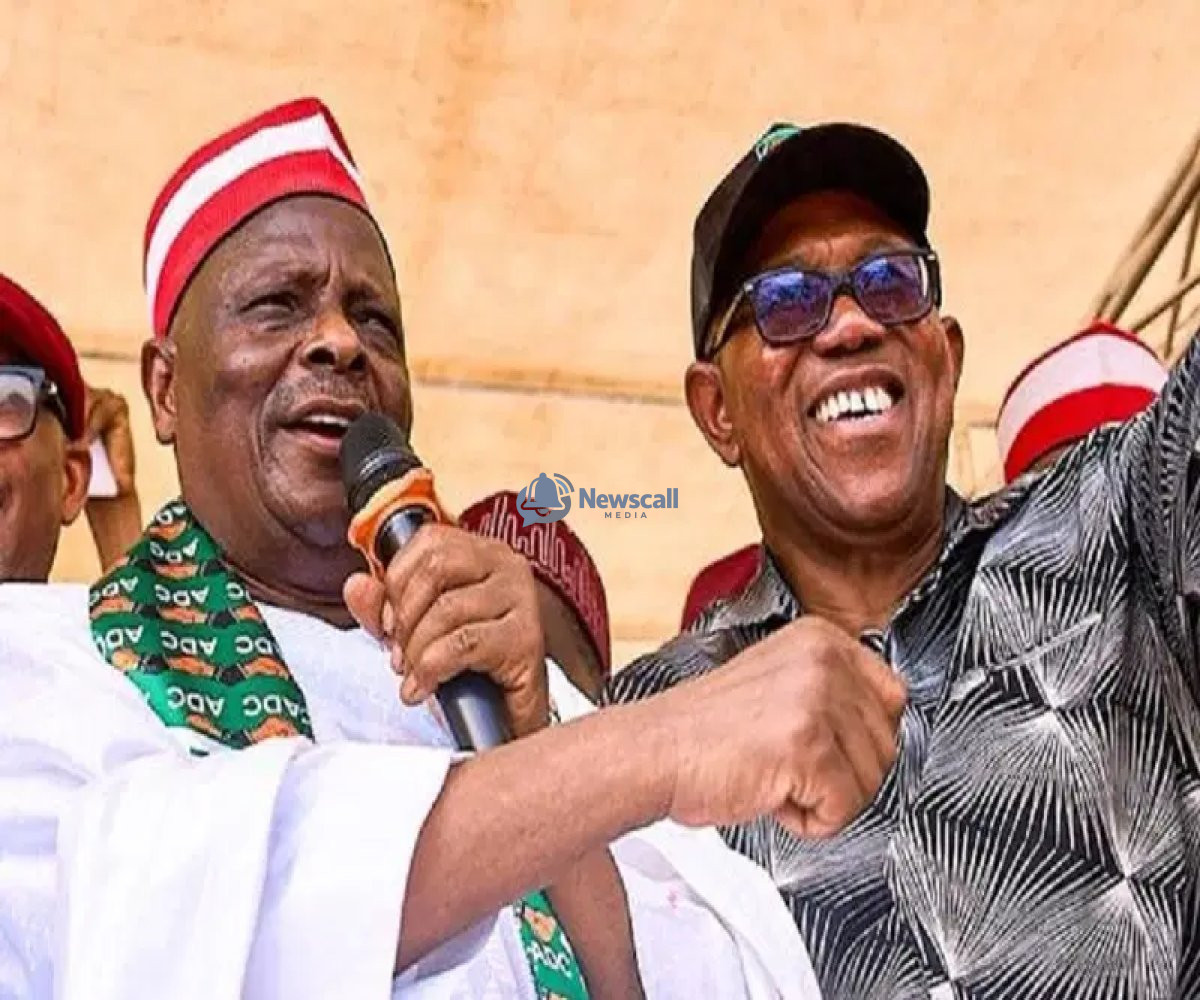
A power struggle has emerged within the Kano chapter of the Nigerian Democratic Congress (NDC), as the state chairman, Usaini Isa Mai Riga, openly rejected efforts by former Kano State governor, Rabiu Musa Kwankwaso, to assume control of the party’s structure in the state. The disagreement comes just days after Kwankwaso’s entry into the party, signaling early tensions within the NDC ahead of the 2027 elections.
Speaking on Monday, Mai Riga disclosed that negotiations between the state leadership and Kwankwaso’s camp had broken down after two separate meetings failed to produce an agreement. At the center of the dispute is Kwankwaso’s reported demand to take full control of the party machinery in Kano—a condition Mai Riga described as unacceptable.
“He wants us to hand over the entire party to him, despite the sacrifices we made when the party had little or no presence,” Mai Riga stated. His remarks highlight resentment among existing party leaders who believe their groundwork is being overlooked following the arrival of a high-profile political figure.
The chairman made it clear that the current leadership would resist any attempt to displace them, stressing that they are prepared to use all lawful means to maintain their positions. “This will not happen. We will pursue all legitimate avenues to ensure that the party structure is not hijacked,” he added.
Mai Riga further alleged that the party’s national leadership intervened by halting a planned state congress in Kano. According to him, this directive was linked to efforts to accommodate Kwankwaso’s entry and possibly ease his path to leadership control. He argued that such actions undermine the rights of party members and disrupt internal democratic processes.
“We were instructed not to hold the congress because of plans to hand over the structure. That is why I am not at the venue today. We will not allow the rights of our members to be trampled upon,” he said.
The development marks the first significant public resistance from within the state chapter since Kwankwaso, a prominent political figure and leader of the Kwankwasiyya movement, joined the NDC. Reports indicate that he arrived in Kano shortly after his defection and is expected to hold consultations with political allies regarding strategy and party organization ahead of the next general elections.
As of the time of reporting, Kwankwaso and his aides had not issued an official response to the allegations or the ongoing dispute.
Context
This internal conflict reflects a broader challenge facing emerging political platforms in Nigeria: balancing the influence of established political heavyweights with the interests and contributions of grassroots party members. The NDC, which has recently attracted notable figures, is attempting to position itself as a viable alternative ahead of the 2027 elections. However, rapid expansion often comes with internal friction, particularly when questions of leadership and control arise.
Kwankwaso’s political stature—built from years of governance experience and a loyal support base—makes him a valuable asset to any party. Yet, his influence also raises concerns about dominance and centralization, especially in states like Kano where political structures are deeply rooted and competitive.
For party members at the state level, the issue goes beyond individual personalities. It touches on internal democracy, fairness, and the sustainability of the party’s growth. If not managed carefully, such disputes could weaken cohesion and undermine the party’s credibility at a critical time.
More broadly, the situation highlights a recurring pattern in Nigerian politics, where alliances are often shaped by negotiation power rather than institutional processes. For voters and observers, it raises important questions about how political parties are built, who controls them, and whether they can genuinely represent collective interests.
The standoff between Kano’s NDC leadership and Kwankwaso underscores the fragile balance between political expansion and internal stability. While the party’s ability to attract influential figures signals momentum, unresolved power struggles could threaten its long-term viability.
As the 2027 elections approach, how the NDC navigates this conflict will be a key test of its organizational strength and commitment to internal democracy. For Nigerians watching closely, the outcome will offer insight into whether the party can move beyond personality-driven politics and build a structure that is inclusive, transparent, and resilient.

Nwekwe Esther Amarachukwu
Public speaker,Research-driven writer covering politics and public affairs, committed to accuracy, and meaningful public discourse.