

Dickson Defends NDC Legitimacy, Says Registration Dates Back to 2017
Dickson Defends NDC Legitimacy, Says Registration Dates Back to 2017
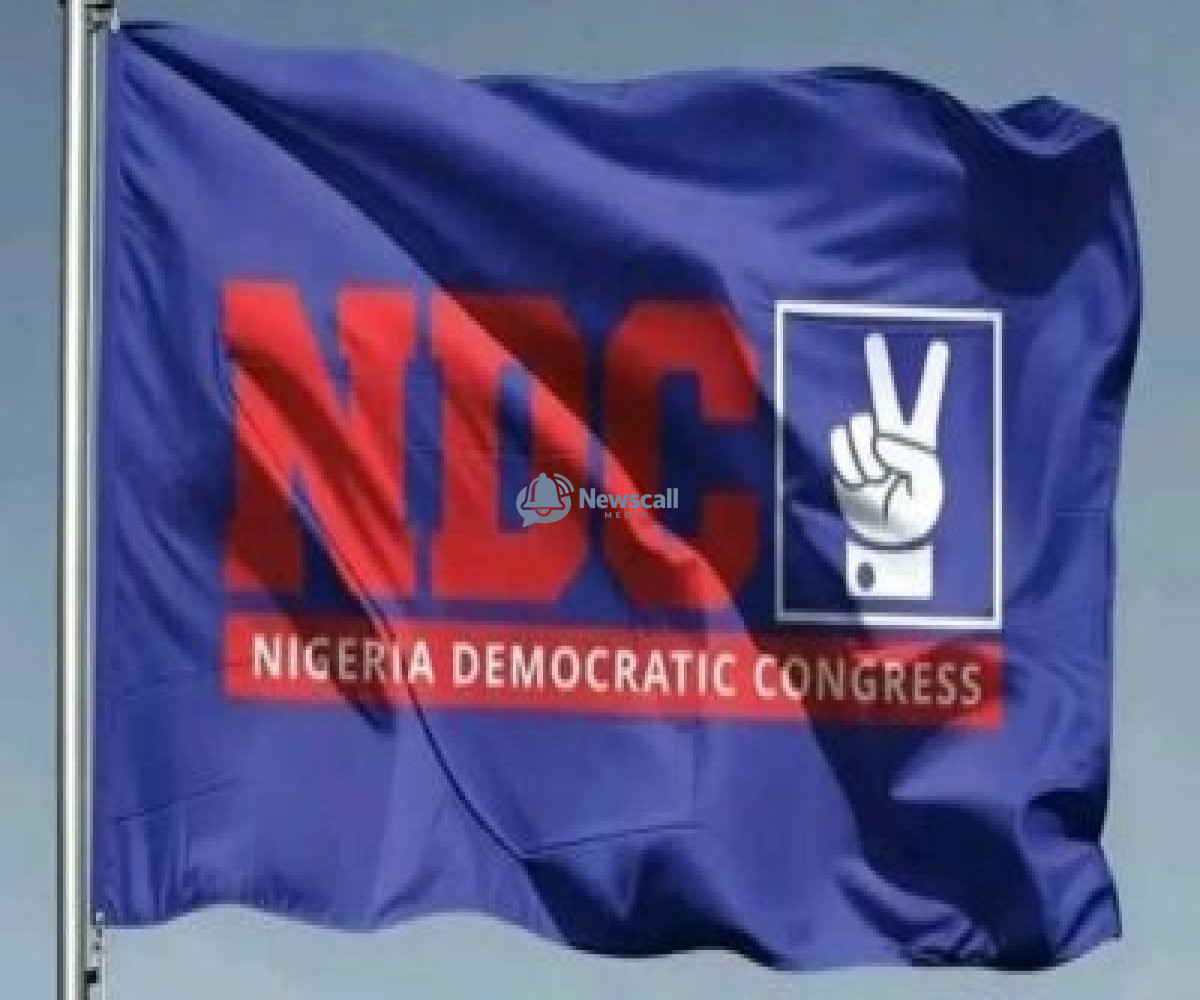
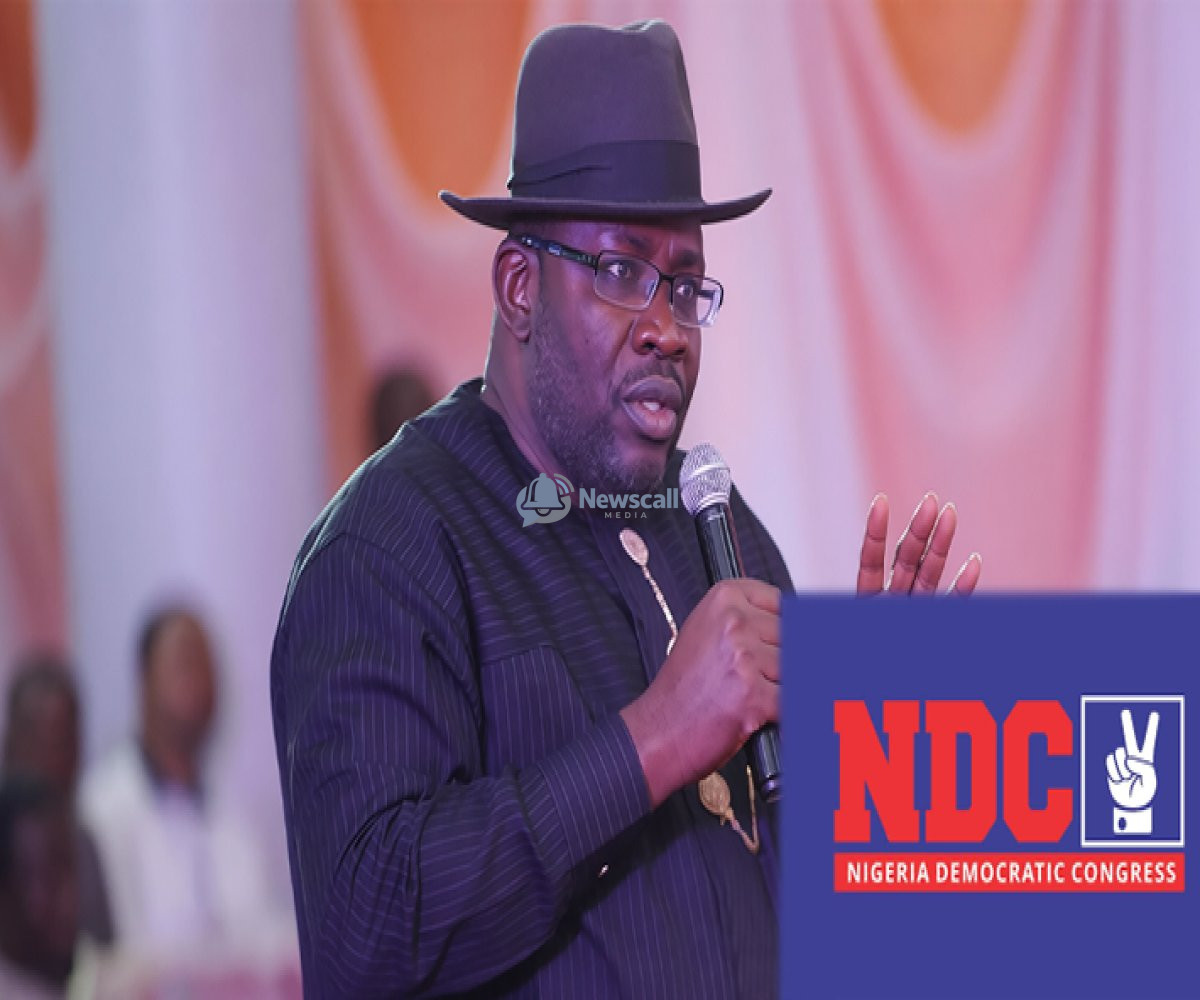
National leader of the Nigerian Democratic Congress (NDC), Seriake Dickson, has pushed back against claims questioning the party’s legality, insisting that its registration process began as far back as 2017 with approval from the Independent National Electoral Commission (INEC). His response comes amid growing political tensions ahead of Nigeria’s 2027 elections.
In a statement released on Monday, Dickson explained that official records and supporting documents confirm the NDC’s registration process was initiated nearly a decade ago. According to him, INEC had already granted approval during that period before the process was temporarily halted.
The clarification follows allegations by Umar Ardo, convener of the League of Northern Democrats, who accused INEC of violating constitutional provisions by recognizing the NDC while allegedly sidelining other political groups. Ardo made the claims during an interview, arguing that the commission’s actions were inconsistent with its own guidelines.
Responding directly to these accusations, Dickson dismissed them as politically motivated. He stated that when INEC resumed the registration of political parties, the NDC simply revisited and updated its earlier application rather than initiating a new or irregular process.
To reinforce his position, Dickson publicly shared documents and historical references tied to the party’s formation, including early efforts to establish its identity and branding. He emphasized that such steps demonstrate continuity rather than manipulation of the system.
Addressing the broader political narrative, Dickson described the allegations as part of a familiar pattern in Nigerian politics, where emerging movements often face resistance through misinformation and strategic opposition. He urged Nigerians to focus on substantive national issues rather than what he characterized as distractions.
He also called on citizens to support the NDC, positioning it as a platform aimed at offering alternative leadership and direction as the country approaches another critical election cycle.
The controversy surrounding the NDC’s registration is unfolding at a time when Nigeria’s political landscape is undergoing significant realignment. With the 2027 general elections on the horizon, new alliances and party structures are beginning to take shape, reflecting both dissatisfaction with existing systems and the search for fresh political options.
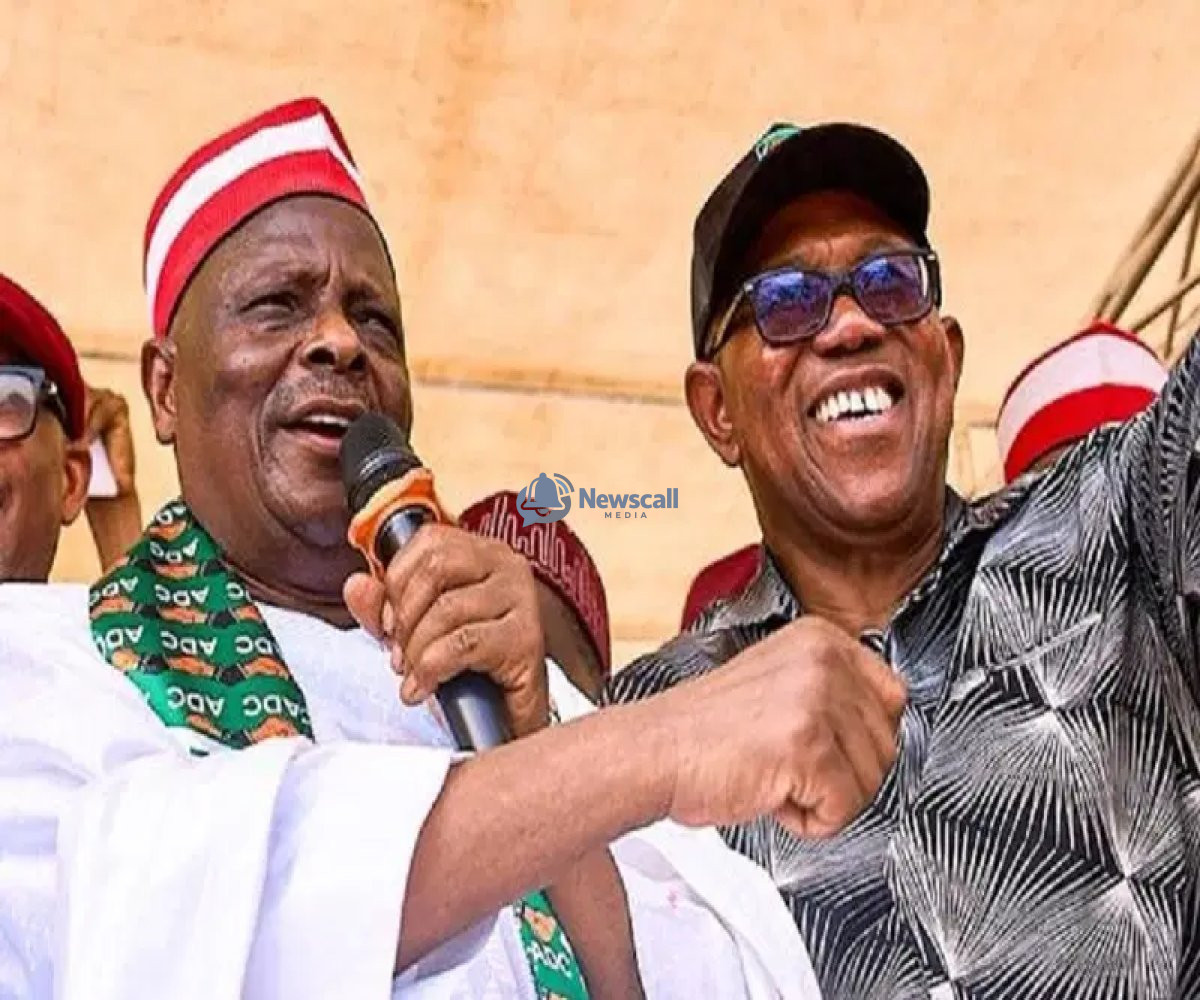
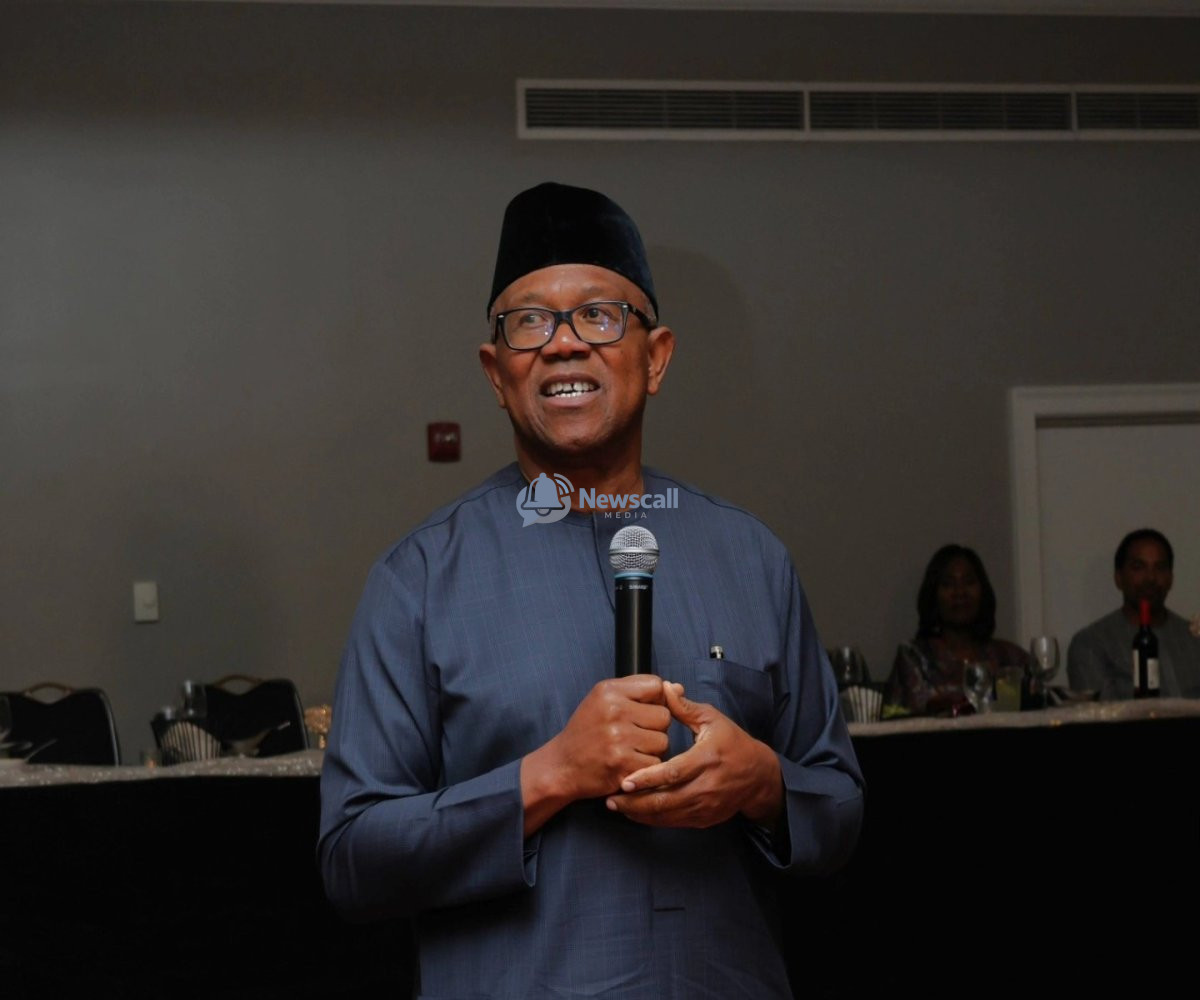
The NDC has recently gained increased visibility, particularly following the involvement of prominent political figures such as Peter Obi and Rabiu Kwankwaso. Their association with the party has elevated its profile and intensified scrutiny from both supporters and critics.
At the center of the dispute is the role of Independent National Electoral Commission (INEC), whose credibility and adherence to electoral laws remain critical to public trust. Questions about party registration processes are not just administrative concerns—they directly impact perceptions of fairness, inclusivity, and democratic integrity.
For many Nigerians, the issue goes beyond legal technicalities. It highlights ongoing challenges within the country’s political system, including transparency, equal access to political participation, and the influence of established power structures on emerging movements.
Dickson’s defense of the NDC underscores a broader struggle shaping Nigeria’s political future: the tension between established systems and new entrants seeking legitimacy and influence. While allegations and counterclaims continue, the real test will lie in how institutions like INEC manage these disputes and maintain public confidence.
As political activity intensifies ahead of 2027, Nigerians are faced with a critical task—not just to follow the headlines, but to evaluate the credibility, vision, and impact of the platforms competing for power. In that process, debates like this one serve as a reminder that democracy is not only about participation, but also about accountability and informed choice.

Nwekwe Esther Amarachukwu
Public speaker,Research-driven writer covering politics and public affairs, committed to accuracy, and meaningful public discourse.