

Experts Warn Nigeria at Risk of Hantavirus Outbreak Amid Weak Surveillance and Limited Diagnostics
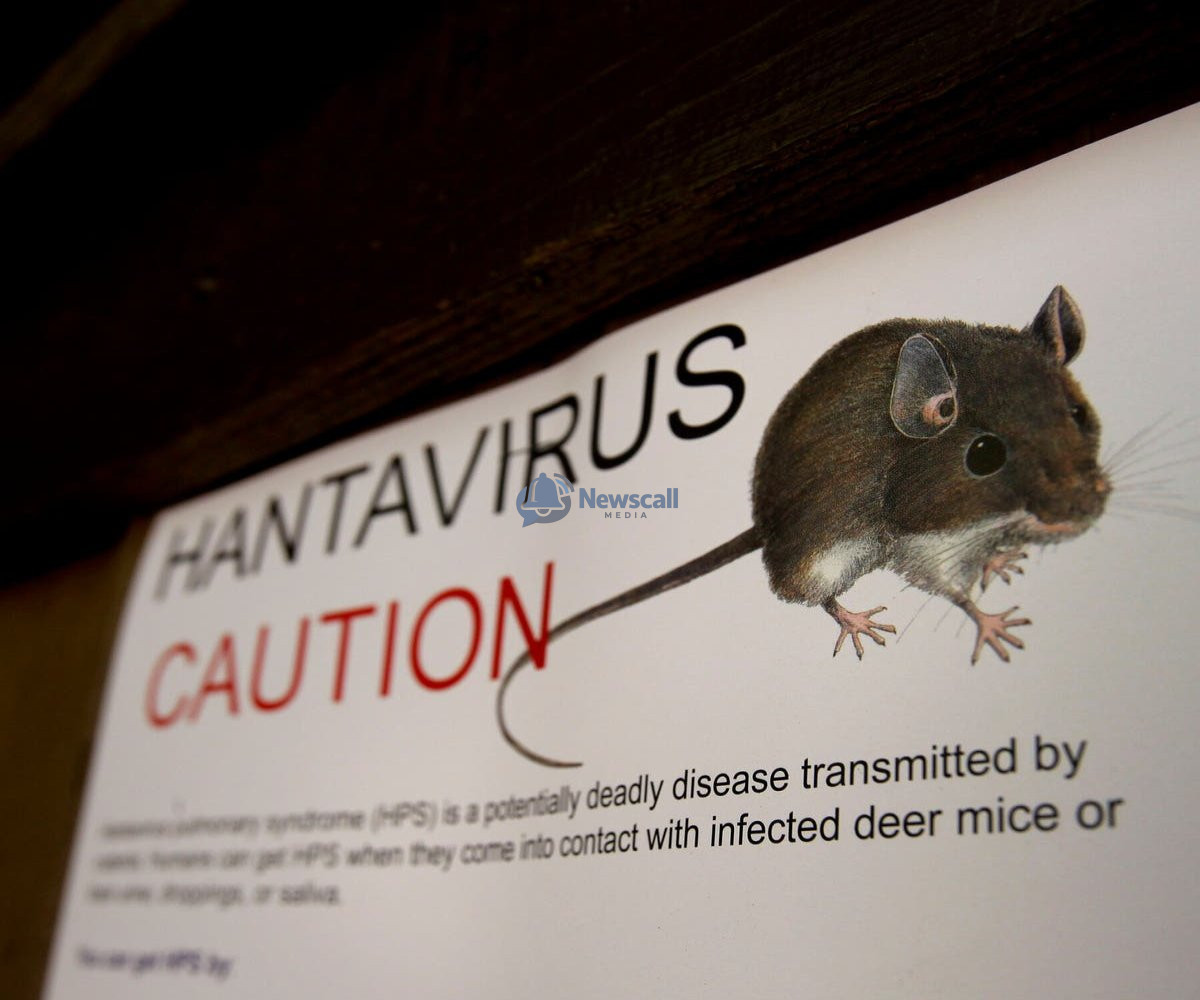
Leading virologists and epidemiologists have raised concerns that Nigeria could be vulnerable to a potential hantavirus outbreak, warning that gaps in disease surveillance, limited laboratory capacity, and widespread rodent exposure place the country at heightened risk despite the absence of confirmed cases.
The warning comes amid growing global attention on hantavirus infections, following recent clusters linked to international travel and renewed discussions by the World Health Organization on preparedness for emerging infectious diseases.
What Experts Are Saying
In interviews with PUNCH Healthwise, infectious disease specialists stressed that Nigeria should strengthen its preparedness rather than wait for an outbreak to occur.
They noted that while no confirmed hantavirus outbreak has been recorded in Nigeria, scientific evidence suggests the virus already exists in parts of Africa and may be underdiagnosed due to limited testing.
According to the experts, many unexplained cases of fever, respiratory distress, and kidney-related illness may be missed because clinicians do not routinely test for hantavirus.
A key concern raised is that Nigeria currently lacks hantavirus-specific diagnostic reagents, making early detection extremely difficult even in well-equipped laboratories.
Understanding Hantavirus and Its Risks
Hantaviruses are a group of rodent-borne viruses transmitted to humans primarily through contact with infected rodents or exposure to their urine, droppings, or saliva, according to the World Health Organization.
Human-to-human transmission is rare but has been documented in specific strains.
The virus can cause two major severe illnesses:
Hantavirus Pulmonary Syndrome (HPS) – common in the Americas, affecting the lungs and causing severe respiratory failure, with a high fatality rate in some outbreaks.
Hemorrhagic Fever with Renal Syndrome (HFRS) – more common in Europe and Asia, affecting the kidneys and causing bleeding complications.
Experts say early symptoms often resemble malaria, COVID-19, and other common infections—fever, headache, muscle pain, and fatigue—making laboratory diagnosis essential.
Global Alert and Cruise Ship Cluster
The renewed concern follows a reported cluster of severe respiratory illness aboard the cruise vessel MV Hondius, which carried 147 passengers and crew.
The World Health Organization reported that:
The outbreak was detected on May 2, 2026
Eight cases and three deaths were recorded
Six cases were confirmed as hantavirus infection
Following containment efforts coordinated with Spanish authorities, more than 120 passengers from 23 countries were monitored after disembarkation in Tenerife.
WHO Director-General Tedros Adhanom Ghebreyesus said the response demonstrated the importance of international cooperation, surveillance, and scientific coordination in controlling outbreaks.
While the global risk remains classified as low, health authorities say the incident underscores the need for stronger preparedness systems worldwide.
Nigeria’s Preparedness Gaps
Health experts warn that Nigeria’s main challenge is not the absence of the virus, but the inability to detect it.
Professor Oyewale Tomori, former president of the Nigerian Academy of Science, said the country is already at risk due to rodent exposure, environmental conditions, and increased global travel.
He warned that Nigeria should not wait for confirmed cases before acting.
According to him, the country urgently needs to equip at least one reference laboratory—such as those under the Nigeria Centre for Disease Control and Prevention—with hantavirus diagnostic reagents.
He explained that although Nigeria has functional laboratories, they cannot detect hantavirus without the specific testing materials required.
“The techniques are available, but without the right reagents, the labs are useless for hantavirus detection,” he noted.
Tomori also revealed that antibodies to hantavirus have previously been detected in humans in parts of Africa, including Nigeria, suggesting possible undetected circulation.
Why Cases May Be Missed
Virologists explained that hantavirus infections are often misdiagnosed because early symptoms resemble:
Malaria
COVID-19
Other viral respiratory infections
Professor Marycelin Baba of the University of Maiduguri warned that Nigeria cannot confidently claim absence of the virus because it is not actively being tested for.
She stressed that while PCR laboratories exist, they lack the specific primers and reagents needed for hantavirus detection.
“You cannot say a disease does not exist if you are not looking for it,” she said.
Transmission and High-Risk Groups
Experts clarified that hantavirus is not easily spread between humans, but infection can occur through inhalation of aerosolized particles from rodent droppings.
Professor Baba identified high-risk groups to include:
Farmers and hunters
Cleaners and sanitation workers
Aircraft cabin cleaners
People working in dusty or poorly ventilated environments
Health workers without proper infection control practices
Professor Oyewale Tomori added that people cleaning rodent-infested environments are particularly vulnerable.
Environmental and Public Health Concerns
Professor Adebayo Onajole of the University of Lagos linked Nigeria’s vulnerability to poor environmental sanitation and uncontrolled rodent populations.
He emphasized that improved hygiene, waste management, and food storage practices are key to reducing rodent-human contact.
He also called for strengthening Nigeria’s Integrated Disease Surveillance and Response (IDSR) system to improve early warning and outbreak detection.
Calls for Government Action
Across all expert opinions, there was a consistent call for urgent action by Nigerian health authorities, including:
Equipping national laboratories with hantavirus testing reagents
Strengthening surveillance systems under the Nigeria Centre for Disease Control and Prevention
Expanding disease awareness among healthcare workers
Improving environmental sanitation and rodent control
Training clinicians to suspect hantavirus in unexplained febrile and respiratory cases
Conclusion
Although no outbreak has been recorded in Nigeria, experts warn that the country remains scientifically and environmentally vulnerable.
They caution that without proactive surveillance, laboratory readiness, and public awareness, hantavirus infections could go undetected until a major outbreak occurs.
For now, global health authorities maintain that the risk remains low—but Nigerian specialists insist that preparedness, not panic, is the most critical response.

Anozie Chiemerie Emmanuel
Writer