

Hezbollah Expands Use of Fibre-Optic FPV Drones in Intensifying Conflict With Israel
Hezbollah Expands Use of Fibre-Optic FPV Drones in Intensifying Conflict With Israel
Hezbollah has significantly increased its deployment of small first-person view (FPV) drones in its ongoing confrontation with Israel, introducing more advanced fibre-optic guided systems designed to bypass modern electronic warfare defences.
According to battlefield footage analysed since 26 March, the group has carried out a growing number of precision drone strikes targeting Israeli soldiers, armoured vehicles, and air defence installations in both southern Lebanon and northern Israel. BBC Verify reports that dozens of videos circulating on Hezbollah-linked channels appear to show these attacks, with at least 35 verified incidents among nearly 100 clips shared online.
Rise of Fibre-Optic FPV Drone Warfare
Unlike conventional drones that rely on radio frequency signals, many of Hezbollah’s newer FPV systems are controlled via ultra-thin fibre-optic cables that spool behind the aircraft during flight. This method provides a direct, high-bandwidth connection between operator and drone, allowing stable real-time video feeds and precise control even in heavily contested electronic warfare environments.
Military analysts say this innovation makes the drones extremely difficult to jam, intercept, or detect using traditional radar-based defence systems. The fibre-optic link effectively neutralises many of Israel’s advanced electronic countermeasures, which are typically designed to disrupt wireless communications.
Security experts note that this adaptation represents a major evolution in asymmetric warfare, drawing heavily from tactics first widely seen in the Russia–Ukraine war, where FPV drones became a defining battlefield technology.
Battlefield Impact and Reported Casualties
While the Israeli military has not publicly released full casualty figures related specifically to FPV drone attacks, Israeli media reports suggest that at least four IDF soldiers and one civilian have been killed, with dozens more wounded in such incidents.
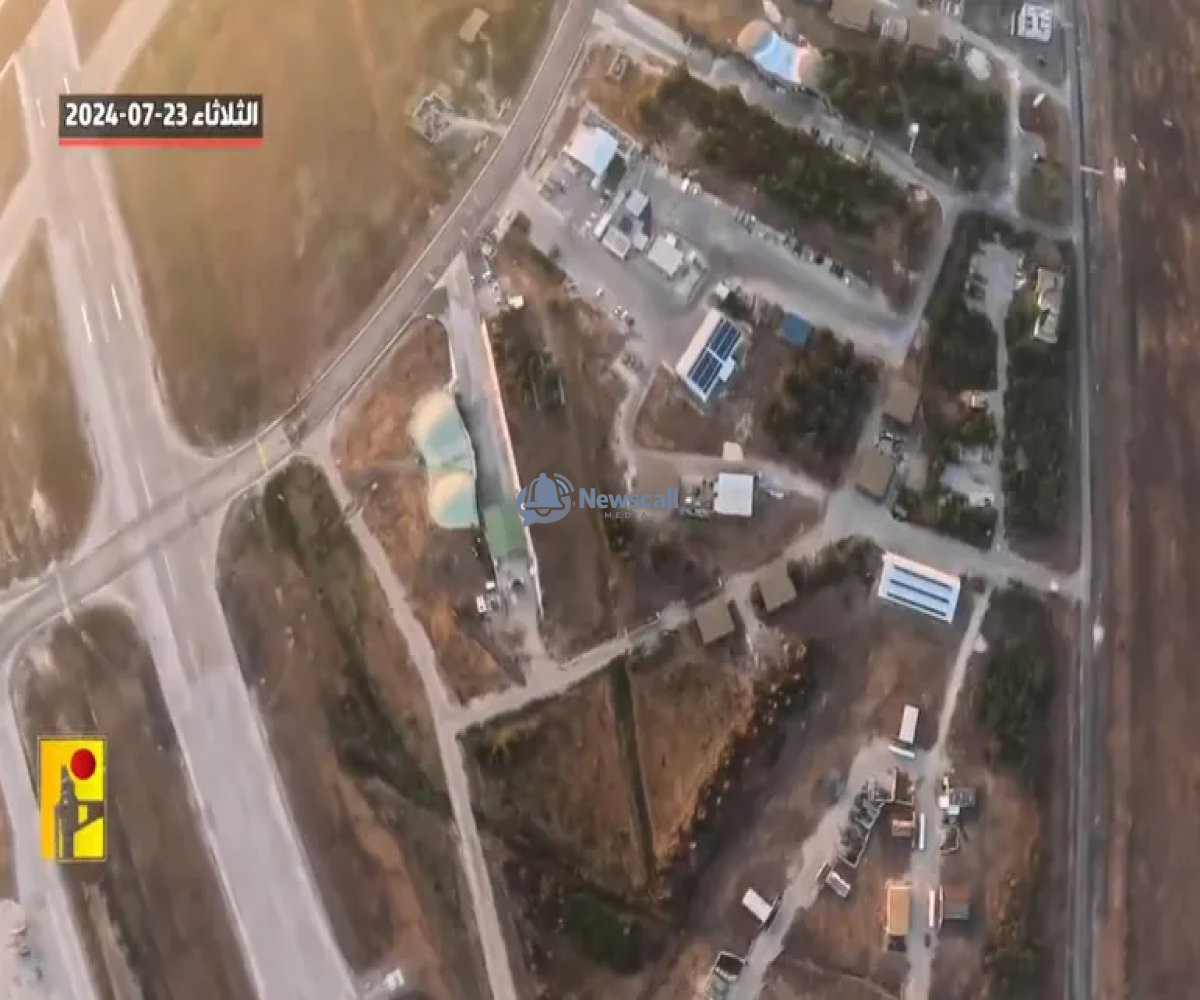
One verified video released on Hezbollah-affiliated platforms reportedly shows multiple FPV drones striking an Israeli border outpost near Kiryat Shmona, targeting military vehicles in coordinated succession. At least two vehicles appear heavily damaged or destroyed in the footage.
Other verified clips document attacks in southern Lebanon, including incidents in Taybeh on 26 April, where Israeli troops were targeted during operations near an evacuation effort involving an IDF helicopter. Reports indicate one soldier was killed and several others injured in that incident.
Israeli Military Response and Limitations
The Israel Defense Forces (IDF) has acknowledged the growing threat posed by FPV drones, stating that it is investing significant resources into improving detection systems, developing new alert mechanisms, and enhancing troop readiness through expanded training.
However, analysts argue that current counter-drone systems are struggling to keep pace with the rapid evolution of FPV tactics. Because fibre-optic drones do not rely on radio signals, conventional jamming technologies are largely ineffective.
Some defence experts suggest that Israeli troops are being forced to adapt operationally by strengthening field positions, using physical protective measures such as nets and cages around equipment, and increasing vigilance in frontline zones.
Low-Cost, High-Impact Weapons
Experts estimate that many of the FPV drones used in these attacks are assembled locally using commercially available components, often imported from global electronics markets, particularly in China. Costs are reported to range between $300 and $500 per unit, making them extremely inexpensive compared to the high-value military targets they are capable of destroying.
Some drones are also believed to be enhanced using 3D-printed parts, allowing greater flexibility in design and rapid production.
Many of the devices carry modified explosive payloads, often including rocket-propelled grenade (RPG) warheads, which are widely available in the region.
Weapons analysts say this combination of affordability, accessibility, and lethality makes FPV drones especially attractive for non-state armed groups engaged in asymmetric warfare.
Psychological and Tactical Effects
Military experts note that beyond physical damage, FPV drones are having a significant psychological impact on Israeli troops. Their ability to penetrate heavily defended positions and strike armoured vehicles—including tanks—has increased battlefield uncertainty and forced changes in movement and deployment patterns.
According to analysts, soldiers operating in affected areas must now assume that conventional armour and static positions are vulnerable, increasing stress levels and operational caution.
Hezbollah’s Expanding Drone Capability
Hezbollah has long operated larger armed drones for surveillance and strikes against northern Israel. However, analysts describe FPV drones as a fundamentally different class of weapon due to their precision, low cost, and difficulty of detection.
Military observers estimate that the group has access to hundreds of FPV units, enabling repeated, coordinated strike operations across multiple fronts.
Broader Conflict Context
The escalation in FPV drone warfare is part of a wider intensification of hostilities that began in early March, following a series of regional escalations and retaliatory strikes between Israel and Iran-linked forces in Lebanon and beyond.
Since the outbreak of intensified fighting, Lebanon’s health ministry reports that at least 2,896 people have been killed, including hundreds in the weeks following a reported ceasefire announcement in April. The figures do not distinguish between civilians and combatants.
More than one million people have been displaced within Lebanon due to ongoing airstrikes, ground operations, and cross-border attacks.
On the Israeli side, authorities report that four soldiers and 18 civilians have been killed since the conflict escalated.
A Shift in Modern Warfare
Security analysts describe the increasing use of FPV drones as part of a broader transformation in modern warfare, where inexpensive, commercially built technologies are increasingly capable of challenging sophisticated state defence systems.
Experts say the growing reliance on fibre-optic FPV drones signals a shift toward highly adaptive, decentralized battlefield technology—one that may continue to evolve faster than traditional military countermeasures can respond.

Anozie Chiemerie Emmanuel
Writer