

United States to Reach Hormuz deal, Aims for Wednesday announcement.
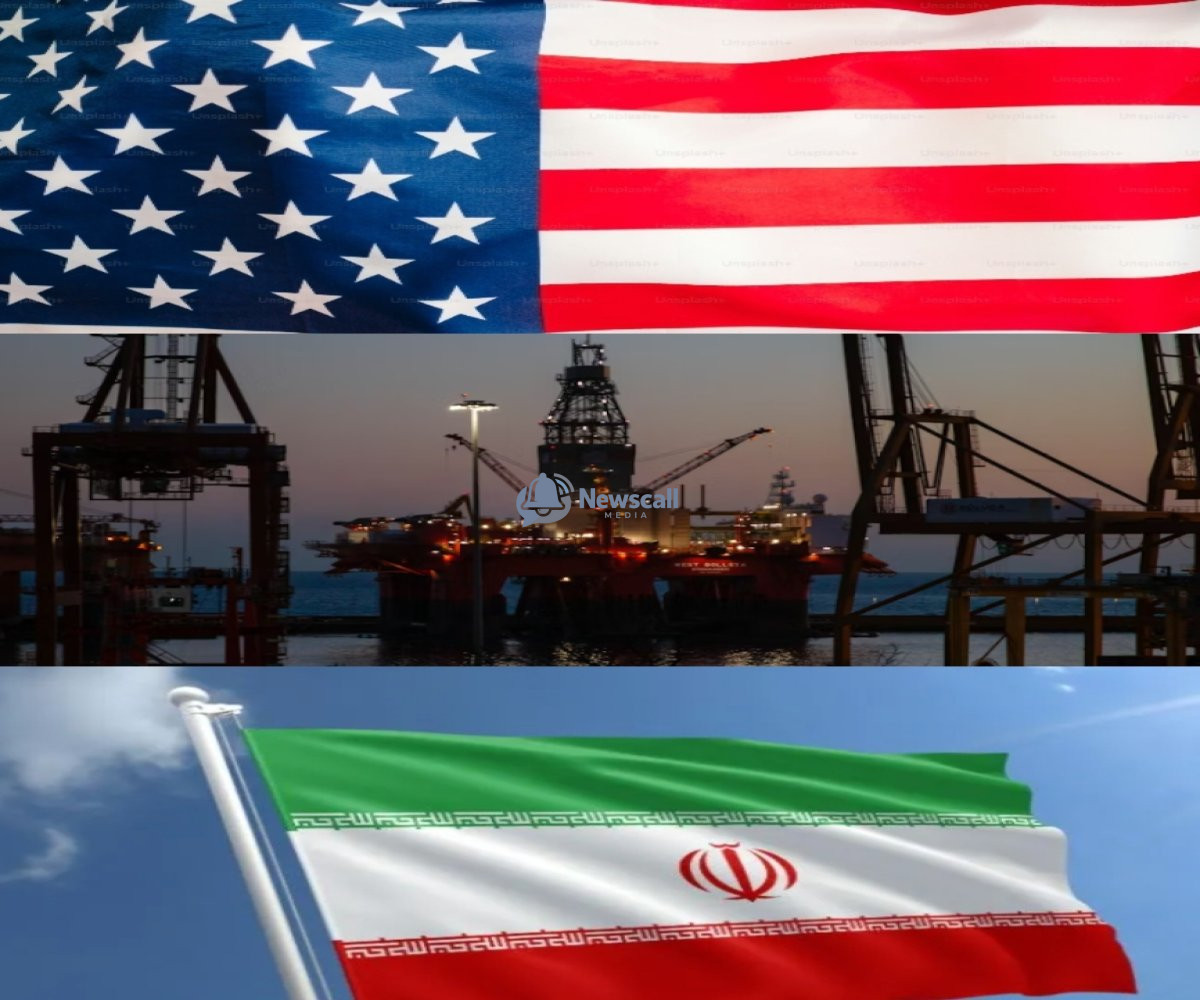
Sources reports the United States, Iran and Oman are closing in on an agreement to reopen the Strait of Hormuz in a meeting held on Tuesday, this update with the U.S. aiming for a Wednesday 5th July or Thursday 6th July announcement.
The deal, which has been under negotiations for several weeks, is aimed at resuming the ceasefire between the U.S. and Iran and restarting negotiations over a nuclear deal.
President Trump decided on Saturday not to follow through on threats to unleash a massive bombing campaign, in order to allow more time for diplomacy.
If a deal isn't reached soon, however, Trump could green-light major strikes.
The emerging deal would meet some of Iran's demands for greater control over traffic in the Strait of Hormuz control it didn't have before the war.
All inbound traffic of ships through the strait and into the Gulf would go in a northern lane through Iranian waters.
All outbound traffic through the strait and into the Arabian Sea would go in a southern lane through Omani waters, in coordination with Iran.
No tolls or fees would be charged during the 60-day period.
In addition to the talks between Oman and Iran, Qatari, Pakistani and Saudi officials were also involved in the mediation efforts.
The White House was also actively involved in the negotiations.
In recent days, there were several calls between Trump envoy Steve Witkoff, Iranian Foreign Minister Abbas Araghchi and Omani Foreign Minister Badr al-Busaidi.
Sources said Araghchi agreed in principle over the weekend but still needed approval from Iran's Supreme Leader, Mojtaba Khamenei, and the Supreme National Security Council.
Reports said Iranian leadership completed its approval process on Tuesday.

Priscilla Uzobuenyi
Hey 👋 Feeling stuck trying to build your character, or just keep up with life without feeling overwhelmed? Maybe you...