


Naira Battles for Stability as Black Market Dollar Climbs Above ₦1,400
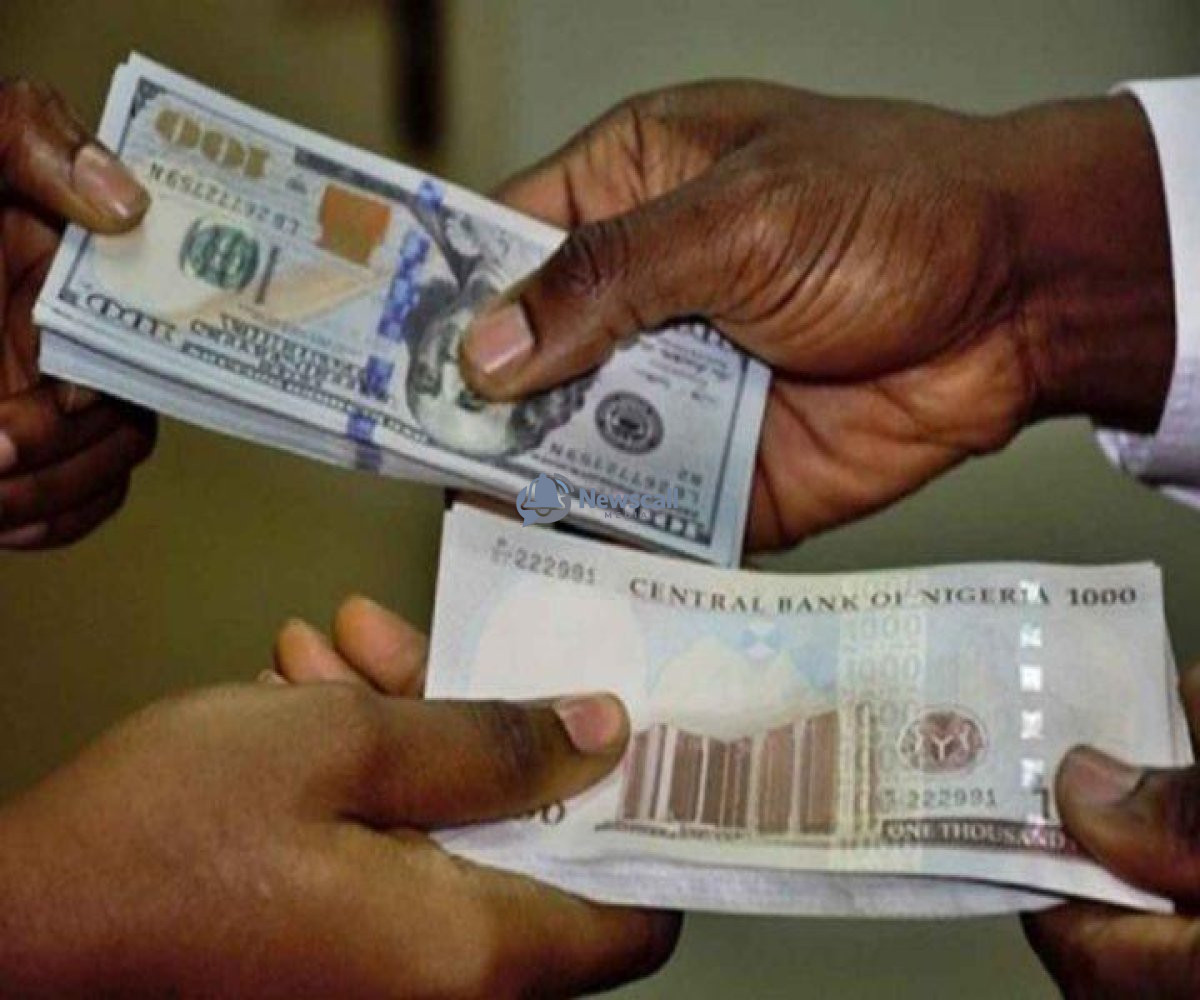
The Nigerian naira recorded mixed performance against the United States dollar on Thursday, May 14, 2026, across both the official and parallel foreign exchange markets, as traders and investors continued to monitor liquidity levels, market reforms, and ongoing interventions by the Central Bank of Nigeria (CBN).
At the official Nigerian Foreign Exchange Market (NFEM), the naira traded at approximately ₦1,375.62 per dollar, according to data released by the Central Bank of Nigeria. The local currency maintained relative stability at the official window following recent gains supported by stronger dollar inflows, improved market liquidity, and increased participation by commercial banks and foreign investors.
Financial market data showed that turnover at the NFEM recently climbed to nearly $1.89 billion in a single trading session, one of the strongest performances recorded in recent months. Analysts said the surge in trading activity reflected renewed confidence in the foreign exchange market and improved availability of foreign currency within the banking system.
The improved liquidity has helped ease pressure on the naira at the official market, where the currency had experienced significant volatility earlier in the year amid persistent demand for dollars from importers, manufacturers, and other businesses dependent on foreign exchange.
Despite the relative stability at the official window, the naira weakened slightly in the parallel market, commonly referred to as the black market. Currency traders in major commercial centres such as Lagos and Abuja quoted the dollar at between ₦1,395 and ₦1,405, depending on the location, transaction size, and availability of cash.
Bureau De Change operators said buying rates ranged from about ₦1,385 to ₦1,395 per dollar, while selling rates hovered around ₦1,400 to ₦1,405. Dealers noted that demand for foreign currency remained high among travelers, small businesses, school fee payers, and importers who often struggle to access sufficient forex through official banking channels.
Market observers also pointed out that the gap between the official exchange rate and the parallel market rate remained relatively narrow at about ₦20 to ₦30. The reduced spread has been viewed by economists as a positive signal, especially when compared with the much wider disparities recorded earlier in 2026, when speculative trading and forex shortages created sharper differences between both markets.
Economic analysts attributed the naira’s recent resilience largely to sustained interventions by the Central Bank of Nigeria, tighter monetary policies, improved oil revenue inflows, and rising external reserves. Nigeria’s foreign reserves were recently estimated at approximately $48.48 billion, providing stronger support for the apex bank’s efforts to stabilize the currency market and meet legitimate foreign exchange demand.
Experts also said improved investor sentiment toward Nigeria’s economy has contributed to the increased supply of dollars in the official market. Recent reforms introduced by monetary authorities, including measures aimed at improving transparency and liquidity in the FX market, have encouraged foreign portfolio investors and exporters to participate more actively in the system.
However, analysts warned that pressure on the naira could persist if demand for foreign exchange continues to outpace supply, particularly in the informal market. They noted that inflationary pressures, rising import bills, and uncertainties in global oil prices remain key factors capable of influencing the direction of the exchange rate in the coming weeks.
Currency dealers further explained that many businesses and individuals still rely heavily on the parallel market due to delays, documentation requirements, and limited access to forex through official channels. This sustained demand outside the banking system continues to shape black-market exchange rates despite ongoing efforts by the CBN to unify and stabilize the foreign exchange market.
Overall, financial experts said the naira’s performance in recent sessions suggests signs of improving stability, although they stressed that maintaining the current momentum would depend on consistent FX inflows, disciplined monetary policy, and broader economic reforms aimed at boosting productivity and export earnings.

Anozie Chiemerie Emmanuel
Writer