
The Startup That Put A Camera In Every Pocket
Take a look around you.
Almost everyone carries a smartphone.
And almost every smartphone has a camera.
People use it to capture birthdays, weddings, sunsets, vacations, concerts, pets, meals, and even homework.
Billions of photos are taken every single day.
It has become so normal that most of us rarely stop to ask an important question.
How did we get here?
Just a few decades ago, carrying a camera was completely different.
If you wanted to take photographs, you needed a dedicated camera.
Film had to be loaded carefully.
Each roll could only hold a limited number of pictures.
Once it was full, you had to remove it and take it to a photo lab to be developed.
Sometimes you waited days before seeing whether your pictures had even turned out well.
Photography was expensive, slow, and far less convenient than it is today.
Few people imagined that one day nearly every person on Earth would carry a high-quality digital camera in their pocket.
The journey toward that reality began long before smartphones existed.
In 1975, an engineer at Eastman Kodak named Steven Sasson built something extraordinary.
Using a collection of electronic components, a digital image sensor, and a cassette tape for storage, he created the world's first digital camera.
By modern standards, it was enormous.
It weighed nearly four kilograms.
Its resolution was only 0.01 megapixels.
Capturing a single black-and-white photograph took more than twenty seconds.
Saving the image required additional time.
The pictures looked blurry compared to today's standards.
Yet the invention proved something revolutionary.
Photography no longer needed film.
Images could become digital data.
Ironically, Kodak—the company that pioneered digital photography—would later struggle to adapt to the very technology it helped create.
Meanwhile, other companies saw enormous potential.
Throughout the 1980s and 1990s, digital cameras steadily improved.
Image quality increased.
Storage became cheaper.
Computers made it easier to view and edit photos.
For many families, buying a digital camera became a major purchase.
People carried cameras to vacations, birthdays, graduations, and holidays.
But there was still one inconvenience.
You had to remember to bring the camera.
Then came an idea that changed everything.
What if the camera wasn't a separate device at all?
What if it lived inside something people already carried every day?
The earliest camera phones appeared in the late 1990s.
Their cameras were extremely basic.
The photos were grainy.
Resolution was poor.
Many people dismissed them as gimmicks.
After all, why would anyone choose a tiny phone camera instead of a proper digital camera?
The answer wasn't quality.
It was convenience.
The best camera is often the one you already have.
As mobile phones became smarter, camera technology advanced rapidly.
Manufacturers competed to build better image sensors.
Lenses became sharper.
Software became more intelligent.
Processors became faster.
What once required expensive camera equipment could increasingly be accomplished by a device small enough to fit inside a pocket.
One startup played a particularly important role in accelerating this transformation.
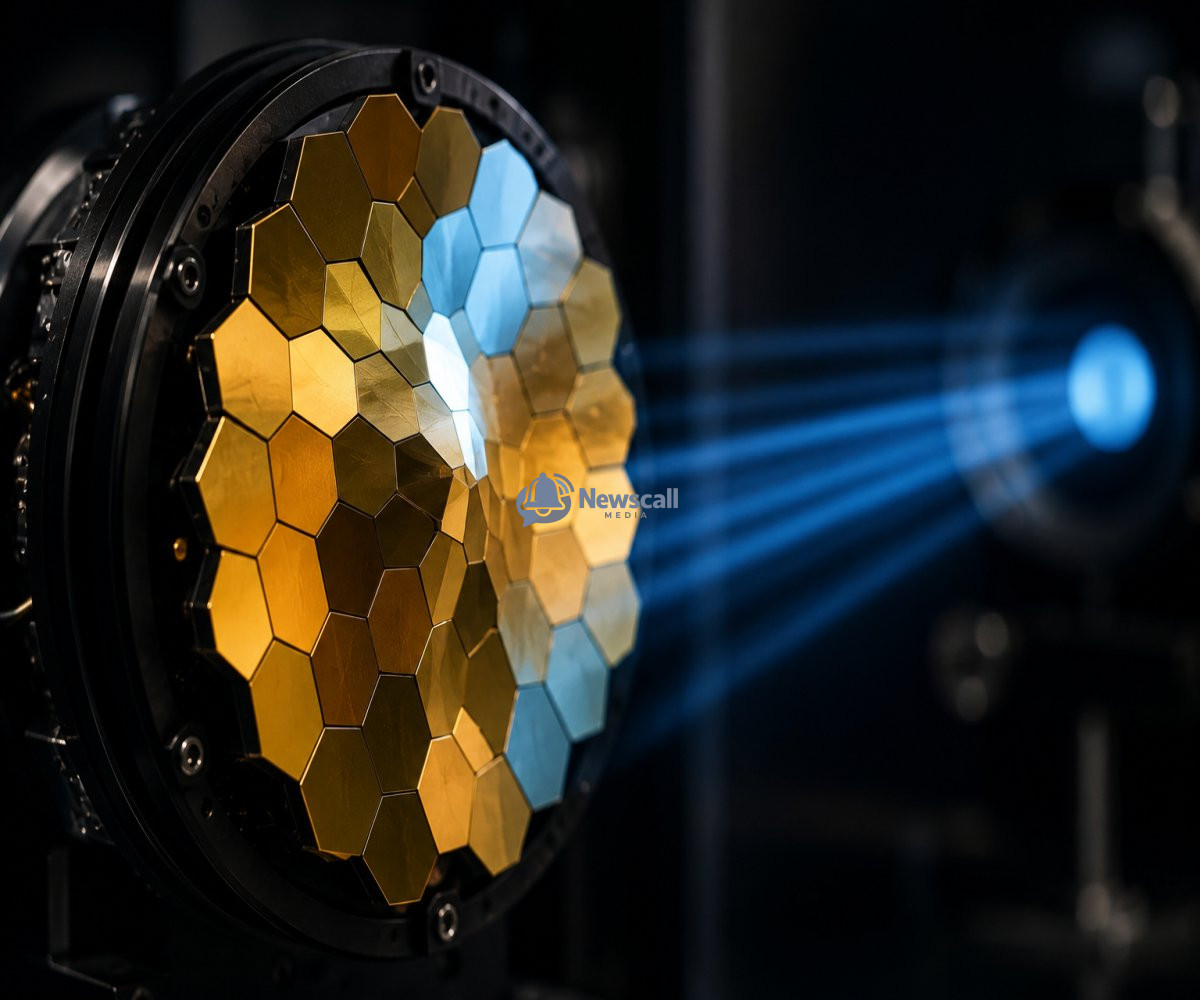
In 2007, an Israeli startup called Corephotonics began developing advanced camera technologies for mobile devices.
The company believed smartphones could one day rival dedicated cameras by combining multiple lenses with sophisticated computational photography.
Instead of relying only on larger hardware, software would become just as important as the camera itself.
Their work helped influence an industry-wide shift toward multi-camera systems, optical zoom, and advanced image processing.
Around the same time, companies like Apple, Samsung Electronics, and Google invested heavily in smartphone photography.
Each new generation introduced major improvements.
Night photography became possible.
Portrait mode simulated professional camera lenses.
Image stabilization reduced blur.
Artificial intelligence automatically adjusted colors, lighting, and focus.
Modern smartphones now perform billions of calculations every time a picture is taken.
This approach is known as computational photography.
Instead of relying entirely on optics, the phone captures multiple images in fractions of a second.
Specialized software analyzes them, combines the best parts, removes noise, improves detail, and produces a final photograph that often looks far better than what a tiny lens should be capable of capturing.
In many ways, today's smartphone camera is as much a computer as it is a camera.
This innovation changed far more than photography.
It changed society.
Social media exploded partly because people could instantly capture and share moments.
Journalists began reporting breaking news using smartphones.
Citizens documented natural disasters, protests, and historic events from their own perspectives.
Small businesses started marketing products with nothing more than a phone camera.
Content creators built careers without expensive equipment.
Entire industries emerged around mobile photography and video creation.
Perhaps the biggest losers were traditional digital camera manufacturers.
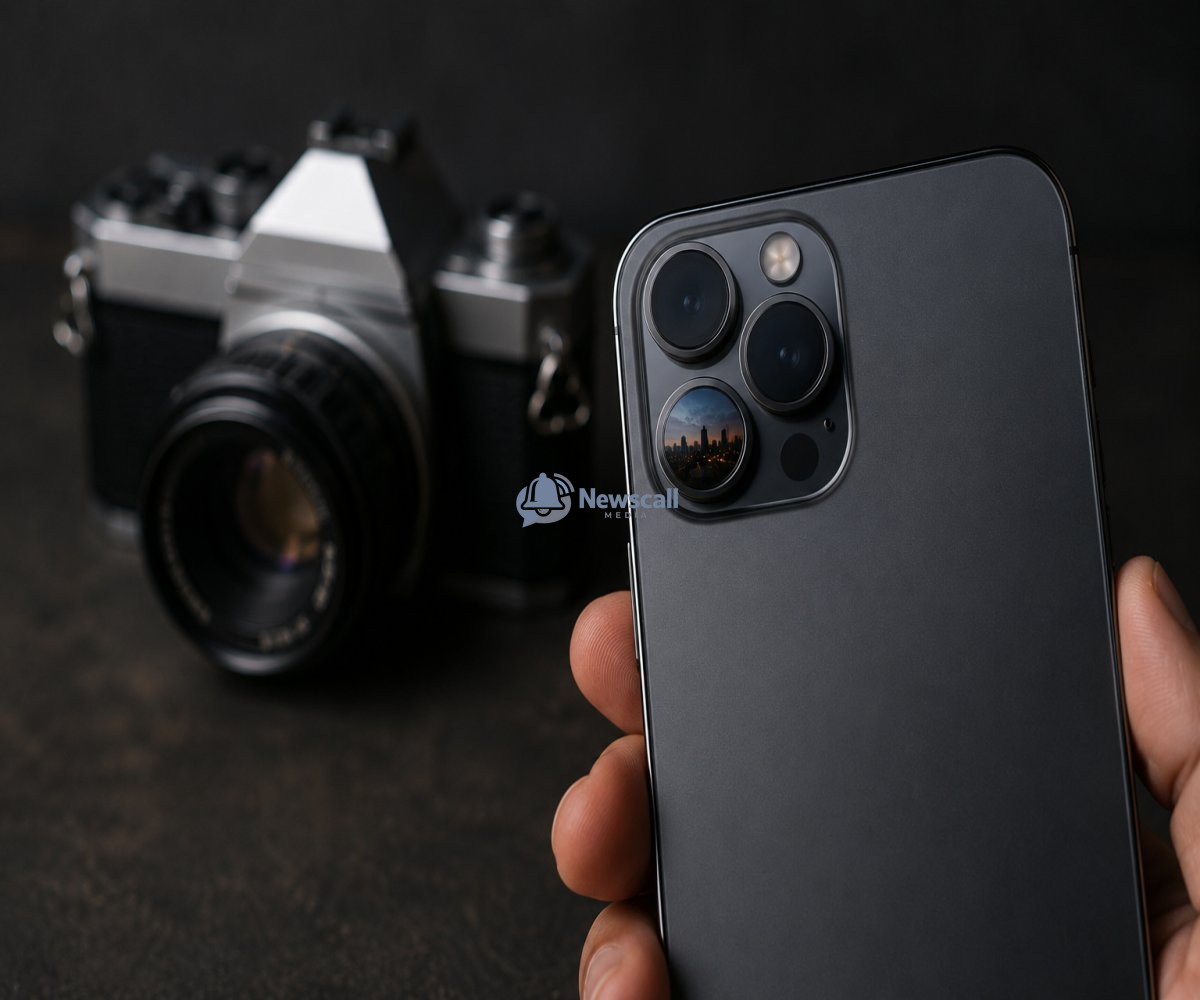
As smartphone cameras improved, many consumers stopped buying standalone cameras altogether.
Sales of compact digital cameras declined dramatically.
For millions of people, a smartphone became the only camera they would ever need.
The transformation happened surprisingly quickly.
A technology once considered inferior replaced a product that had dominated for decades.
This is one of the defining patterns of innovation.
Disruptive technologies rarely begin as the best option.
They begin as the most convenient.
Then they improve.
Eventually, they become good enough to replace what came before.
The smartphone camera followed exactly this path.
Today, flagship smartphones can record cinematic-quality video.
They capture detailed night scenes.
They photograph distant objects with impressive zoom capabilities.
Some even rival professional cameras under the right conditions.
And engineers continue pushing the boundaries.
Future smartphone cameras may rely even more heavily on artificial intelligence.
Real-time image enhancement, three-dimensional scene reconstruction, and advanced computational techniques are already changing what mobile photography can achieve.
Looking back, it's remarkable how one idea transformed the world.
Not simply putting a camera into a phone.
But putting a camera into billions of pockets.
An innovation that made photography universal.
A technology that allowed ordinary people to preserve memories, tell stories, report events, build businesses, and express creativity with a device they already carried everywhere.
The greatest innovations aren't always the ones that invent something entirely new.
Sometimes they're the ones that make powerful technology accessible to everyone.
The smartphone camera did exactly that.
And in doing so, it changed how humanity sees, remembers, and shares the world.

Victor Oluebubechukwu Akuma.
Creative writer