

Strait of Hormuz Crisis Escalates Again: Iran Re-closes Key Oil Route as Trump Issues Stark Warning
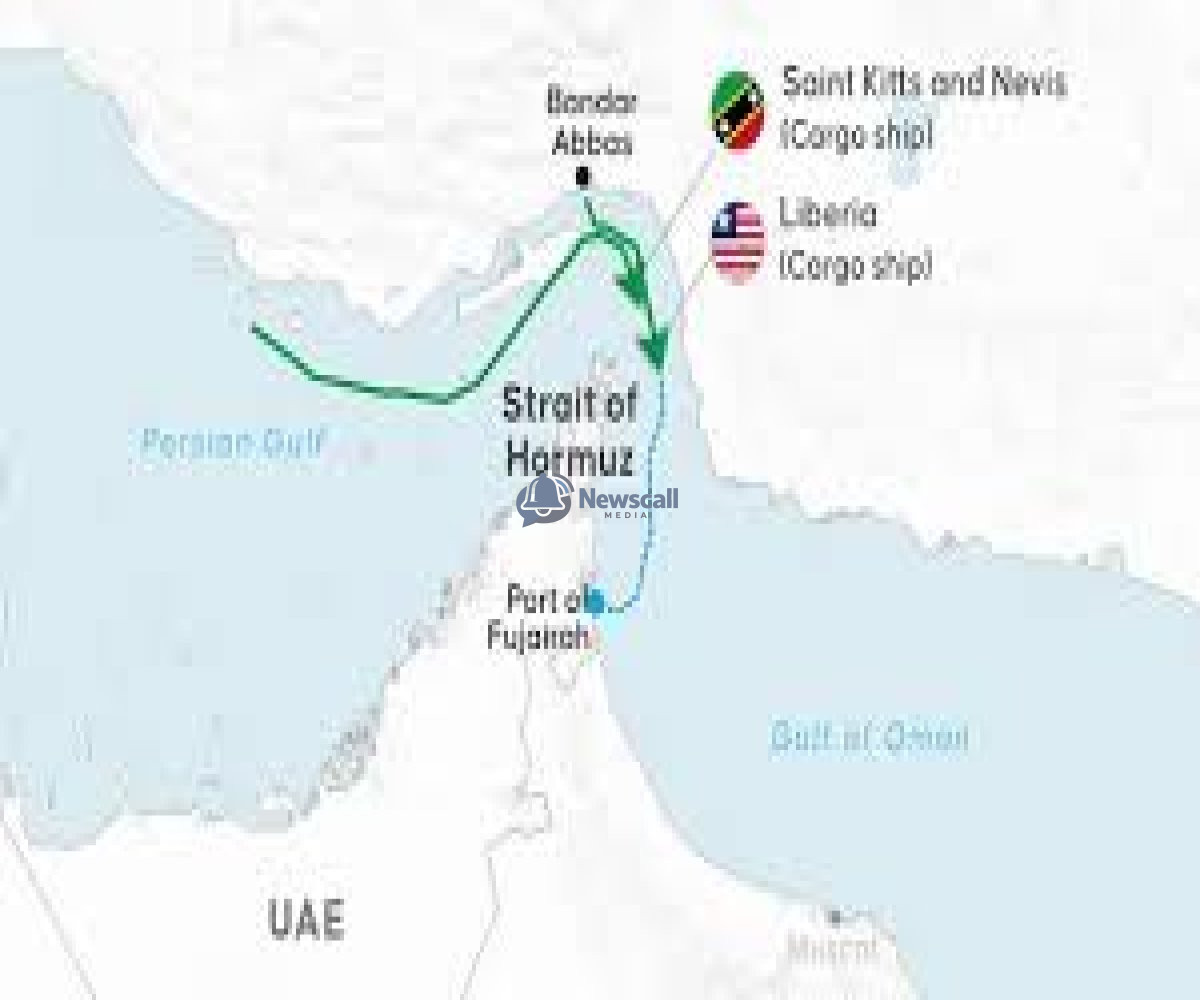
Tensions in the Middle East flared up once more on April 18-19, 2026, as Iran announced it has re-closed the Strait of Hormuz in response to the ongoing U.S. naval blockade of Iranian ports. The move comes just days after a fragile two-week ceasefire and threatens to keep global oil prices elevated, further squeezing American drivers already facing gas prices near or above $4 per gallon.
President Donald Trump responded sharply, accusing Iran of violating the ceasefire and warning that failure to reach a deal could lead to severe consequences. In a Truth Social post and public statements, Trump said U.S. negotiators will head to Pakistan on Monday for continued talks, but added: “If they don’t [take the deal], the United States is going to knock out every single power plant and every single bridge in Iran.”
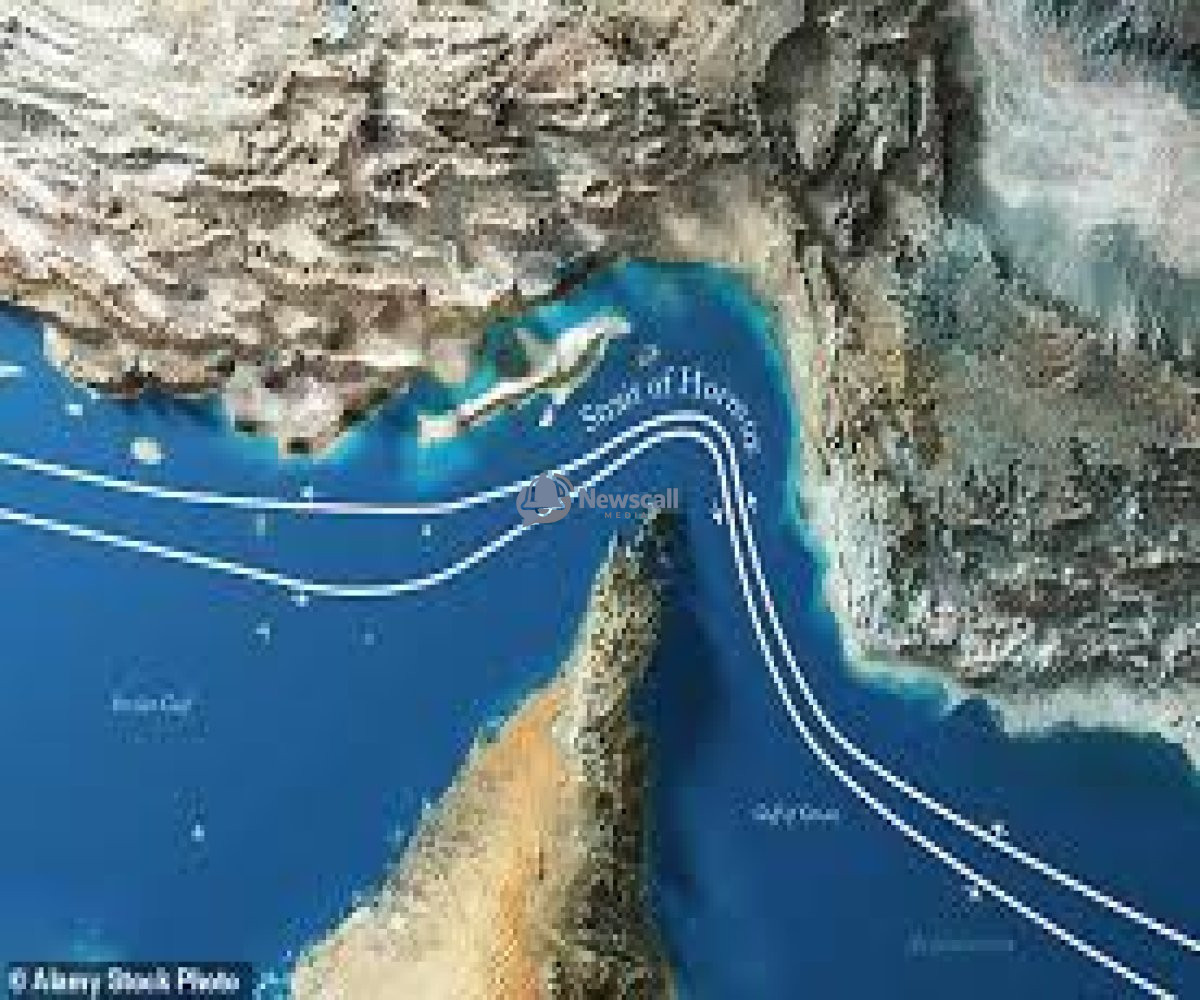
Iran’s Islamic Revolutionary Guard Corps (IRGC) cited the U.S. “piracy” and blockade as justification for tightening control over the strait, warning mariners of the closure. Shipping reports indicate at least two vessels came under fire in the area recently.
Trump’s Approval Rating Under Pressure
The renewed volatility in the Iran conflict is compounding challenges for the Trump administration. National polls in mid-April 2026 show President Trump’s approval rating hovering in the 36-41% range, with disapproval consistently above 55-64%.
- CNN/SSRS recently pegged overall approval at 35% (with a career-low 31% on the economy).
- Quinnipiac and AP-NORC polls show around 38% approval.
- Aggregates from The New York Times, Nate Silver, and RealClearPolitics place it near 39-41%.
Gas prices remain a major flashpoint. The surge linked to disruptions in the Strait of Hormuz — a critical chokepoint for roughly 20% of global oil trade — has driven national averages up significantly. Polls indicate strong public disapproval of Trump’s handling of energy costs and the broader economy, with many voters directly blaming the Iran situation for higher fuel and inflation pressures.
Even among some traditional Republican supporters, including non-college white voters, approval has softened or turned negative in recent surveys.
What This Means for 2026 Midterms
With the 2026 midterm elections now only about six months away, the combination of an unpopular war (majorities in multiple polls disapprove of U.S. military involvement in Iran) and pocketbook pain at the pump is raising concerns among Republicans. Control of both the House and Senate is at stake, and early signals suggest voter frustration could complicate GOP efforts to hold or expand their majorities.
Trump continues to frame the hardline stance as necessary America First leadership to prevent Iran from developing nuclear weapons and to protect U.S. interests. Supporters argue short-term pain is justified for long-term security. Critics counter that the economic fallout is hitting American families hardest and that a clear exit strategy is missing.
The Big Question Right Now
As negotiations resume in Pakistan and the Strait of Hormuz situation remains fluid, Americans are watching closely:
Do you approve of how President Trump is handling the Iran situation and its impact on gas prices?
- A. Yes — Necessary toughness to secure a strong deal and protect long-term U.S. interests.
- B. No — Concerns over prolonged conflict, rising energy costs, and effects on the economy.
What worries you most right now — the risk of escalation in the Middle East, higher prices at the pump, or something else? Share your thoughts in the comments.
Developments are moving quickly. Whether the blockade and closure lead to a breakthrough deal or further military action could shape not only energy markets but also the political landscape heading into November 2026.

Matthew Kingsley
Software Engineer | CTO NewsCall Media