

Iran Reimposes Strait of Hormuz Closure as Trump Sends Negotiators to Pakistan and Issues Fresh Threats

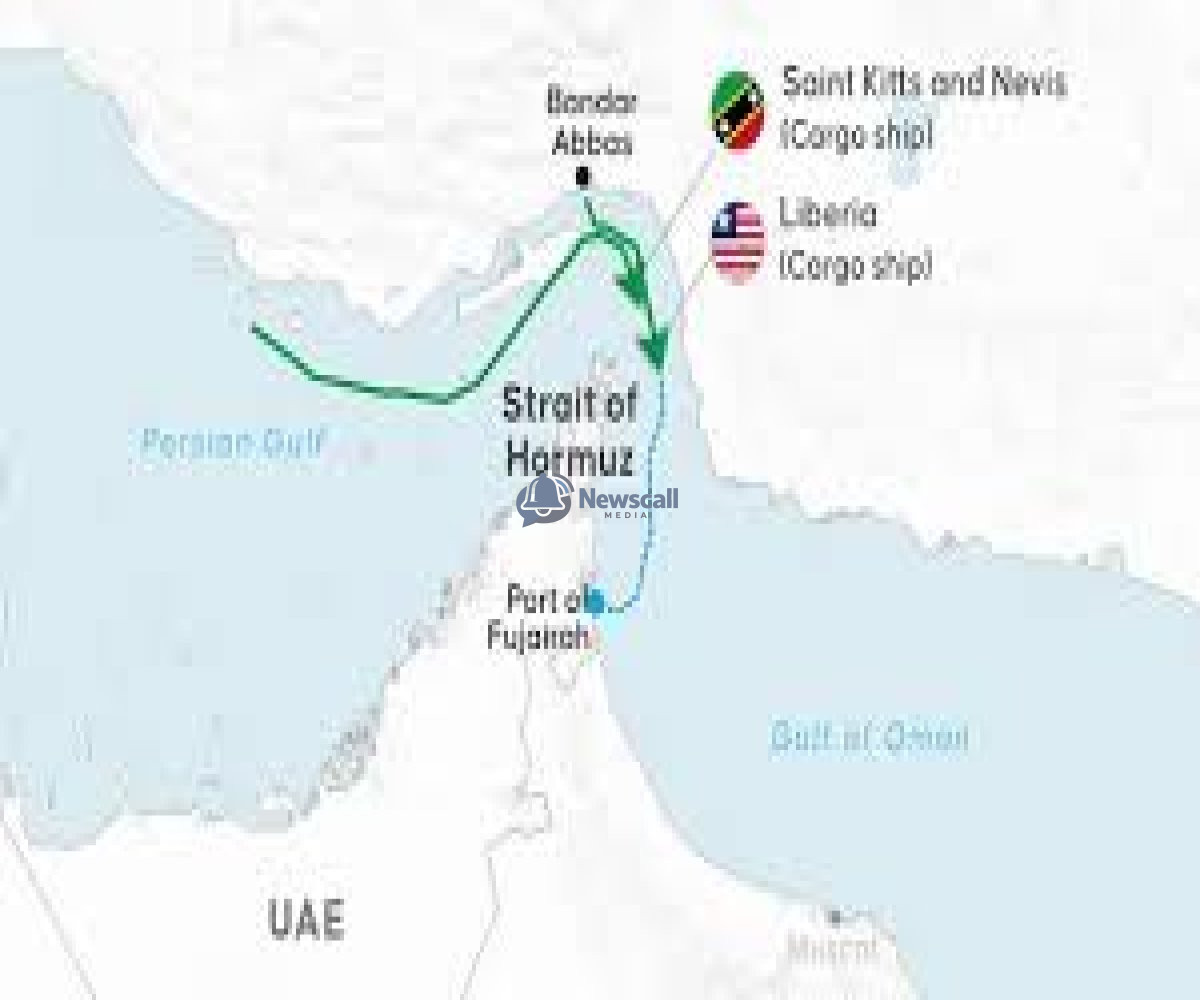
Tensions in the U.S.-Iran conflict escalated sharply on April 18-19, 2026, after Iran abruptly reversed course and re-closed the Strait of Hormuz — one of the world’s most critical oil chokepoints — in response to the ongoing American naval blockade of Iranian ports.
- hfhfhf
- fkfkkf
- fkfkf
- fkfkf
fkkf

Just one day after announcing a full reopening to commercial traffic, Tehran reimposed restrictions, with Iranian gunboats firing warning shots at vessels and the Revolutionary Guard citing “repeated breaches of trust” by the United States. Shipping advisories from the UK Maritime Trade Operations and reports of attacks on tankers have heightened fears of renewed disruption to roughly 20% of global oil trade.
President Donald Trump responded with a mix of diplomacy and strong rhetoric. In a Truth Social post and public statements, he announced that U.S. negotiators — including Vice President JD Vance, special envoy Steve Witkoff, and Jared Kushner — will head to Pakistan on Monday for a new round of talks aimed at extending the fragile two-week ceasefire (set to expire soon) and reaching a broader deal on Iran’s nuclear program and regional security.
At the same time, Trump issued a blunt warning: if Iran does not accept the U.S. offer, “the United States is going to knock out every single power plant and every single bridge in Iran. No more Mr. Nice Guy.”
Approval Rating Hits Second-Term Low
The renewed volatility is weighing heavily on President Trump’s standing at home. Fresh polls released in mid-April 2026 show his overall approval rating dipping to new lows for the second term:
- CNN/SSRS: 35% approve, 64% disapprove
- Quinnipiac: 38% approve, 56% disapprove
- AP-NORC: 38% approve, 60% disapprove
- Aggregates from NYT, RealClearPolitics, and Ballotpedia hover around 36-41% approval, with strong disapproval on the economy now at a record low of 31% in some surveys.
Gas prices, now averaging over $4 per gallon nationally, remain a major political liability. A significant majority of voters (around 65% in recent Quinnipiac polling) blame Trump “a lot” or “some” for the surge, which many tie directly to disruptions in the Strait of Hormuz. Energy Secretary Chris Wright acknowledged on Sunday that prices may not fall below $3 until 2027.
Even as Trump frames the hardline approach as necessary America First leverage to prevent Iran from acquiring nuclear weapons, critics argue the economic pain on American families is mounting with midterm elections just months away.
What Happens Next?
U.S. officials, including Ambassador Mike Waltz, expressed cautious optimism about the Pakistan talks, while Iran’s state media has sent mixed signals about participation. The ceasefire’s short-term nature and the overlapping maritime standoff add urgency — and risk — to the negotiations.
With the clock ticking, the coming days could determine whether the situation de-escalates toward a diplomatic breakthrough or spirals into renewed military action.
Your Thoughts on the Latest Developments
Do you support President Trump’s approach to the Iran negotiations and the Strait of Hormuz situation?
- A. Yes — Maximum pressure and strong leadership are needed to secure a good deal and protect U.S. interests.
- B. No — Concerns over prolonged conflict, rising gas prices, and risks to the economy and global stability.
What do you think is the biggest factor right now — the threat of further military strikes, the impact on energy costs, or the prospects for peace talks in Pakistan? Share your views in the comments.
The situation remains fast-moving. Any breakthrough — or breakdown — in the next week could reshape both energy markets and the political landscape heading into the 2026 midterms.

Matthew Kingsley
Software Engineer | CTO NewsCall Media