Starmer Urges Civil Servants to Speak ‘Truth to Power’ After Vetting Controversy
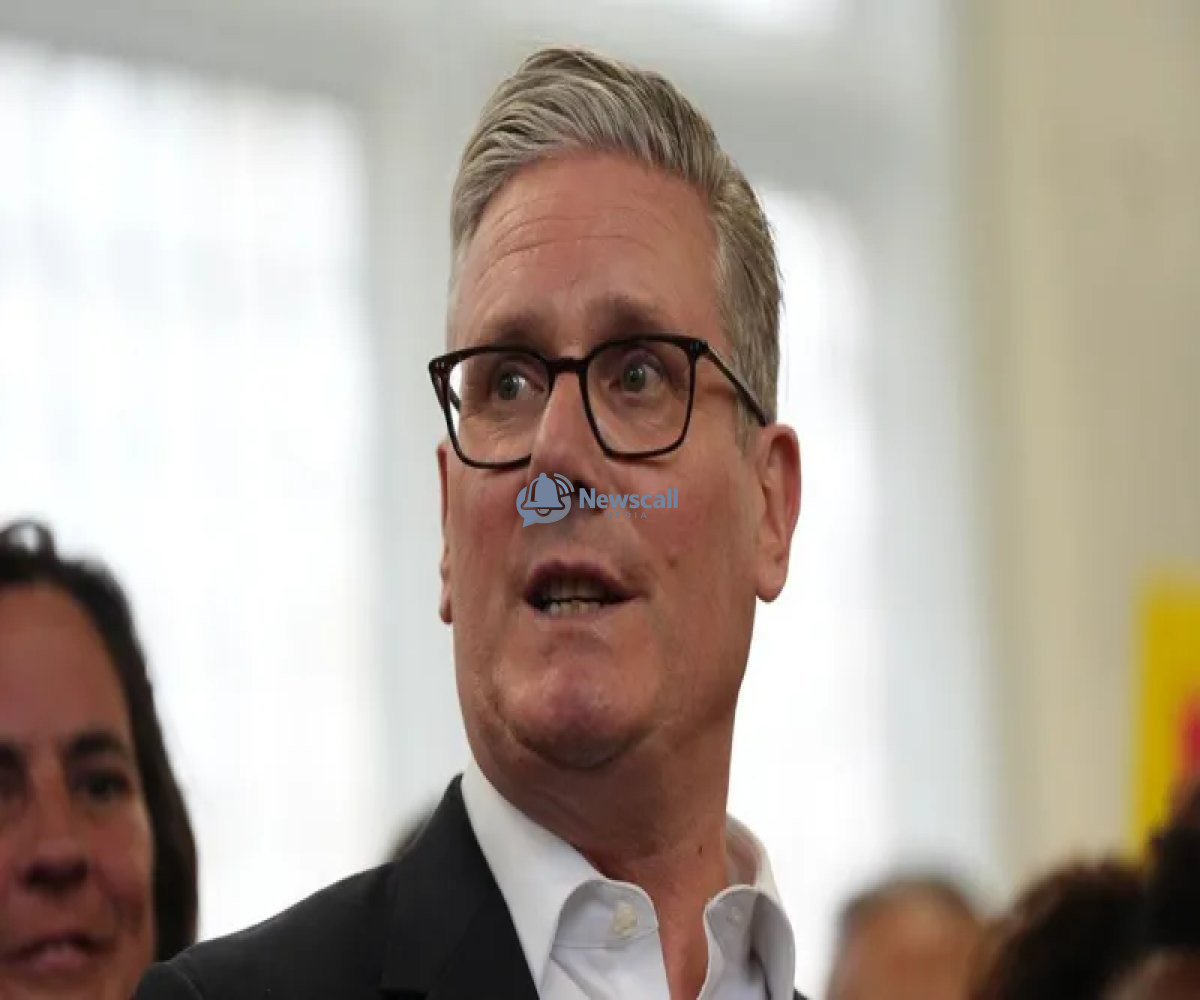
Starmer Urges Civil Servants to Speak ‘Truth to Power’ After Vetting Controversy
British Prime Minister Keir Starmer has moved to reassure civil servants following growing tensions inside government over the dismissal of a senior Foreign Office official linked to the controversial vetting of Peter Mandelson. In a letter sent across Whitehall, Starmer acknowledged that recent events had been “unsettling” and defended the importance of officials speaking openly to ministers.
The statement comes weeks after the removal of senior diplomat Olly Robbins from his Foreign Office role. Robbins faced criticism over his handling of security clearance procedures connected to Mandelson’s appointment as the United Kingdom’s ambassador to the United States.
According to reports, Robbins approved Mandelson’s security clearance despite concerns raised internally by officials. Starmer later told lawmakers he found it “staggering” that information connected to those concerns was not passed on to ministers. Robbins, however, insisted he had followed established procedures and acted under significant pressure from Downing Street to finalize the appointment.
In his letter to civil servants, Starmer attempted to calm fears about trust between ministers and government officials. He said the recent controversy should not define the civil service and stressed that honest communication remains essential to government operations.
He wrote that he values the tradition of officials speaking “truth to power,” adding that government must encourage a culture where risks are identified early and information moves freely between departments and ministers.
Starmer also emphasized that transparency is critical to the relationship between elected leaders and civil servants. According to him, the constitutional partnership between ministers and officials cannot function effectively without trust.
The British government has now launched a review into whether Robbins received complete and accurate information before approving Mandelson’s clearance. The investigation is being led by retired judge Adrian Fulford.
Despite the prime minister’s message, criticism inside Whitehall has continued to grow. Senior civil service union officials accused the government of creating fear within the public service by dismissing Robbins so quickly.
Dave Penman, who leads the FDA union representing senior civil servants, warned that the dismissal could discourage officials from acting independently in politically sensitive situations. He argued that many civil servants may now fear becoming scapegoats during political controversies.
Former senior diplomat Simon McDonald also criticized the handling of the situation, arguing that Robbins was removed too rapidly and without proper fairness or due process. He suggested the government acted swiftly to contain political damage after media reports about the vetting process emerged.
Reports from Whitehall indicate that some officials viewed Starmer’s letter as disconnected from the realities inside government. Several anonymous civil servants reportedly said the message failed to address deeper concerns about trust and accountability between ministers and officials.
Some warned that the growing tensions could make civil servants more cautious and risk-averse in their work, potentially slowing decision-making inside government departments.
The controversy highlights wider concerns about the balance between political leadership and the independence of the civil service in the United Kingdom. British civil servants are expected to serve governments impartially while also providing frank advice, even when that advice may be politically uncomfortable.
Critics fear that high-profile dismissals linked to politically sensitive matters could weaken that tradition by making officials less willing to challenge ministers or raise concerns openly.
For Starmer’s government, the dispute presents an early test of leadership and institutional trust. While the prime minister insists his administration still values openness and professional integrity within the civil service, reactions from officials suggest the fallout from the Mandelson vetting controversy may continue for some time.

Nwekwe Esther Amarachukwu
Public speaker,Research-driven writer covering politics and public affairs, committed to accuracy, and meaningful public discourse.