

Millions Across England, Scotland and Wales Head to Polls in Major 2026 Elections
Millions Across England, Scotland and Wales Head to Polls in Major 2026 Elections
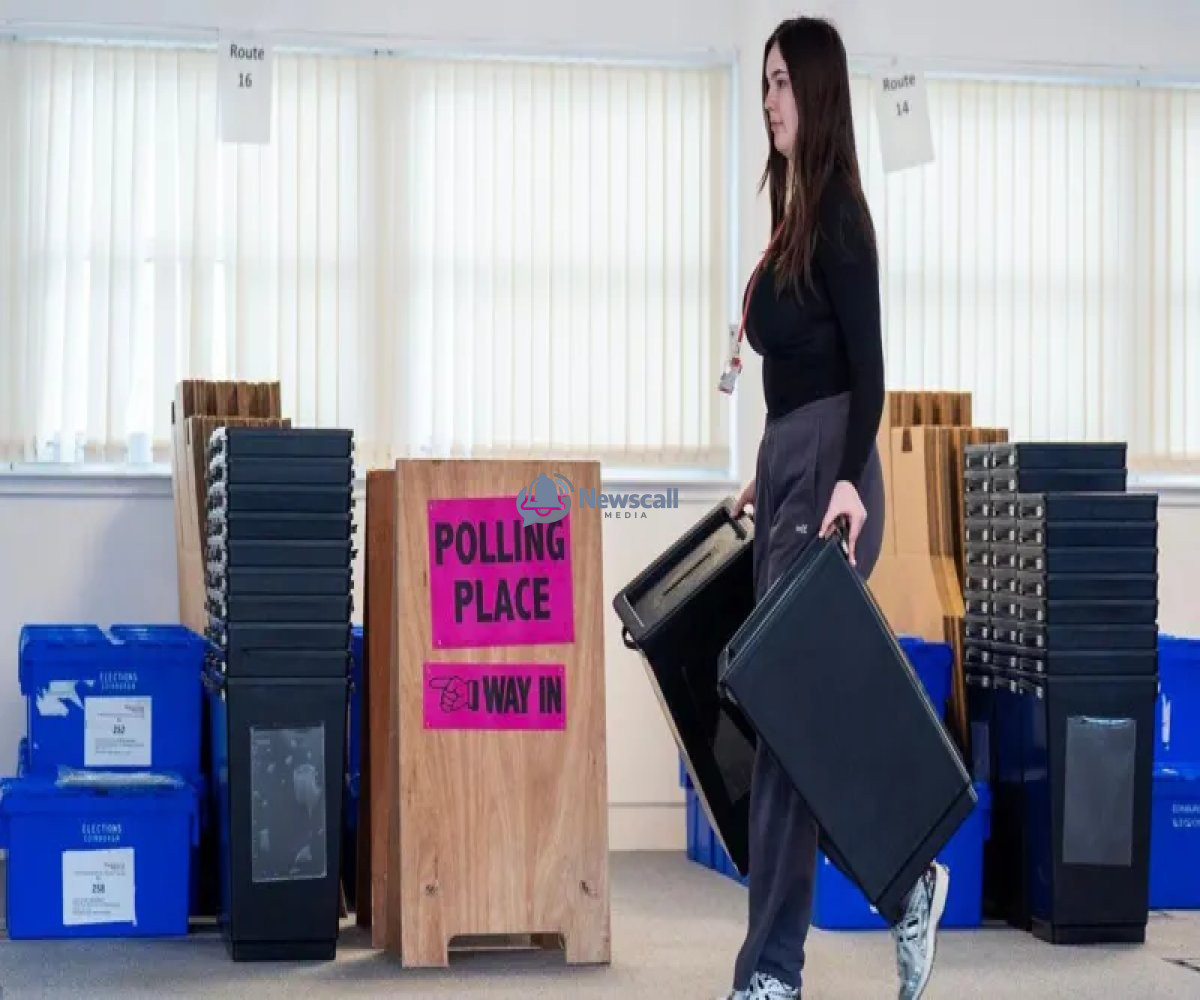
Millions of voters across England, Scotland and Wales are heading to polling stations today in what is being described as the biggest electoral test in the United Kingdom since the 2024 general election. The elections will shape local governments, national parliaments, and public policy decisions that directly affect daily life across the three nations.
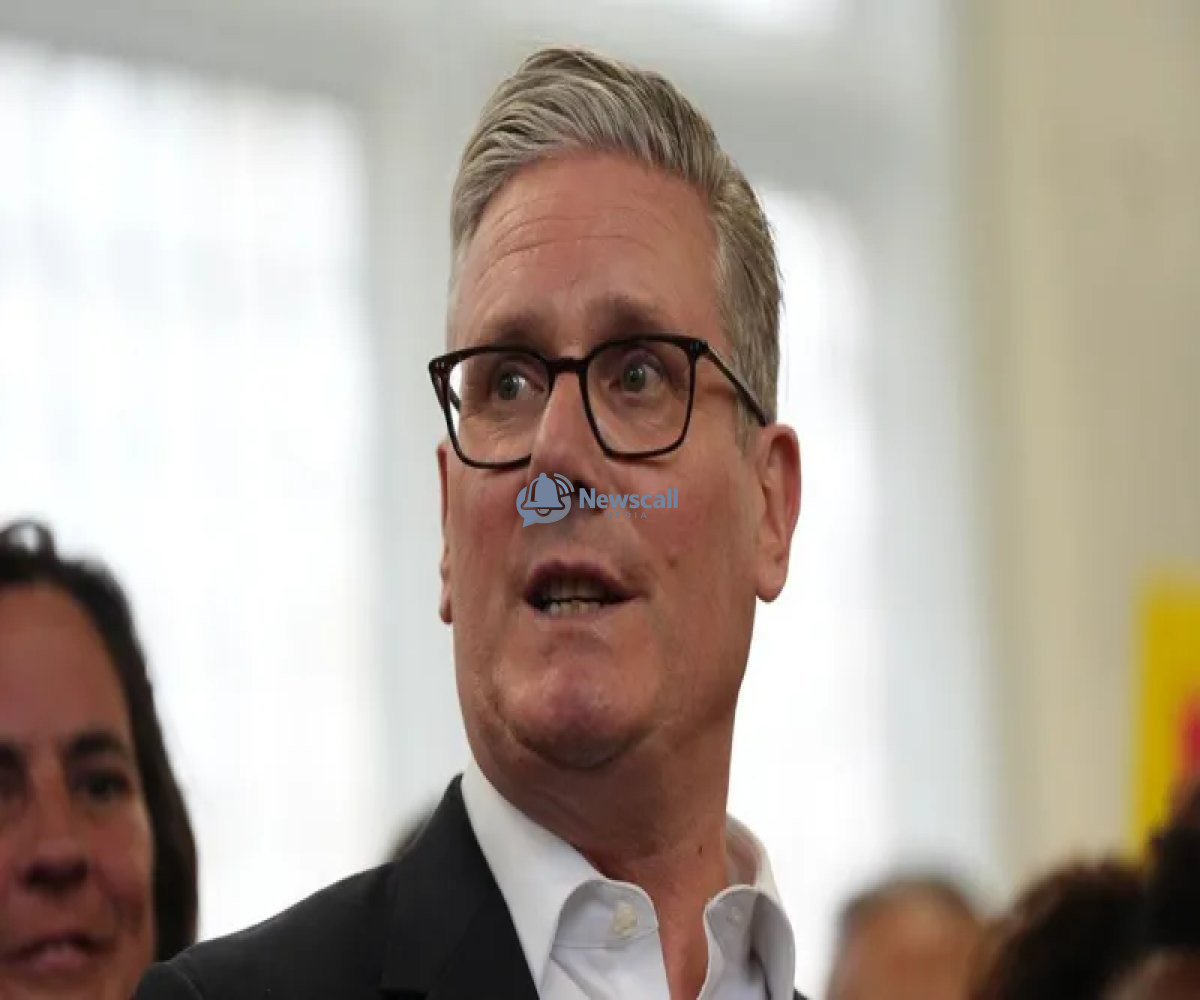
Polling stations opened at 7:00 BST on Thursday, May 7, and will close at 22:00 BST, with most results expected from Friday through the weekend. The elections come at a politically significant moment, serving as a key measure of public confidence in Prime Minister Keir Starmer and the governing Labour Party less than two years after their national election victory.
At the centre of the elections are crucial decisions about leadership, public services, and the future direction of devolved governments in Scotland and Wales. In England, voters are deciding who will oversee essential local services such as education, transportation, social care, housing, and waste management.
In Scotland, all 129 seats in the Scottish Parliament are being contested. The outcome will determine who governs the country and controls major devolved sectors including healthcare and education. The ruling Scottish National Party is seeking to maintain power amid growing debates around economic management, public services, and Scotland’s political future within the United Kingdom.
Meanwhile in Wales, voters are electing representatives to an expanded Senedd with 92 seats now available. Since devolution in 1999, the Labour Party has remained the dominant political force in Wales, but opposition parties are hoping shifting voter priorities could reshape the political landscape. The winning party is expected to form the Welsh government and oversee devolved matters such as transport, health, and education.
Across England, approximately 5,000 council seats and six mayoral positions are also up for election. These local contests may not attract the same international attention as parliamentary races, but they often have the most immediate impact on communities. Local councils manage everyday services that affect millions of residents, from road maintenance and school funding to public transport systems and social welfare support.
The elections are also viewed as a broader reflection of the political mood across Britain. Analysts expect the results to provide insight into whether voters believe national and local governments are delivering meaningful progress on economic recovery, cost-of-living pressures, and public sector performance.
For many younger voters and first-time participants, these elections represent more than political competition. They are an opportunity to influence decisions that shape employment opportunities, public investment, infrastructure development, and social welfare policies in their communities.
Eligibility rules vary slightly across the UK, but adults aged 18 and above who are British or Irish citizens, or qualifying foreign nationals, are allowed to vote. In England, voters must present valid photo identification such as a passport or driving licence before casting their ballots. However, Scotland and Wales do not currently require photo ID for in-person voting.
The elections are taking place at a time when political engagement across Europe is increasingly focused on accountability, economic resilience, and trust in democratic institutions. Turnout and voter participation levels will therefore be closely watched by political observers, parties, and policymakers alike.
Beyond party victories and seat counts, the significance of these elections lies in their long-term impact. Decisions made by newly elected leaders will influence healthcare systems, educational reforms, transport planning, local business support, and broader economic priorities in communities across the UK.
As voters cast their ballots today, the message behind the elections is clear: democracy is not only about choosing leaders, but about deciding the direction of society and the quality of governance people expect in return.

Nwekwe Esther Amarachukwu
Public speaker,Research-driven writer covering politics and public affairs, committed to accuracy, and meaningful public discourse.