
Should You Still Buy Your Next Smartphone—Or Subscribe To It Instead?
For decades, buying a smartphone was simple.
You saved enough money, walked into a store, paid for the device, and it became yours.
You could use it for as long as you wanted, sell it later, or keep it until it stopped working.
Ownership was the default.
But that model is beginning to change.
Today, some of the world's biggest technology companies are quietly asking a different question:
What if you never had to own your smartphone at all?
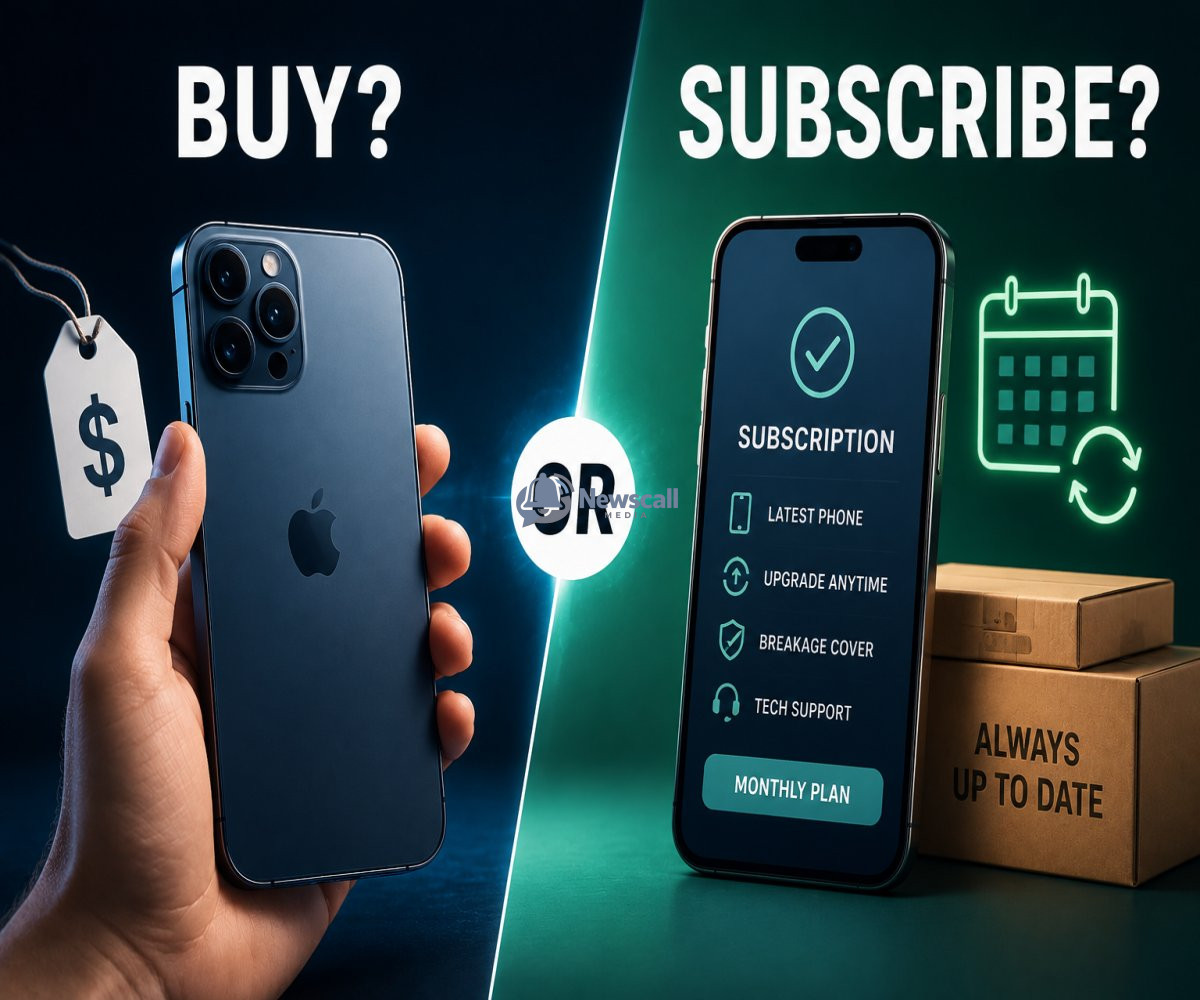
Instead of paying hundreds or even thousands of dollars upfront, what if you simply paid a monthly subscription and always had access to the latest device?
It sounds unusual at first.
After all, smartphones are physical products, not streaming services.
Yet the idea of "hardware as a service" is rapidly gaining attention, and it could reshape the consumer electronics industry in the same way Netflix transformed movies and Spotify transformed music.
The concept isn't entirely new.
For years, mobile carriers have offered installment plans that allow customers to spread the cost of a phone over several months.
But subscriptions go a step further.
Rather than paying until you own the device, you pay for continuous access.
When a new model is released, you can often upgrade without purchasing another phone outright.
In some cases, insurance, technical support, and repair services are bundled into the monthly payment.
The phone becomes less like a possession and more like a service.
One of the biggest companies embracing this idea is Apple.
Its upgrade and subscription-style programs allow eligible customers to receive new devices regularly while paying predictable monthly fees instead of making large one-time purchases.
Other manufacturers and mobile providers are exploring similar models, seeing subscriptions as a way to build long-term relationships with customers rather than relying on occasional sales.
Why are companies so interested in this approach?
The answer is surprisingly simple.
Subscriptions create predictable income.
Instead of waiting several years for customers to buy another phone, companies receive recurring monthly payments.
That steady revenue makes financial planning easier and strengthens customer loyalty.
Streaming platforms, cloud software companies, and digital services have already demonstrated how powerful subscription businesses can become.
Technology firms now see an opportunity to apply the same strategy to physical products.
Consumers may benefit too.
High-end smartphones have become increasingly expensive.
Many flagship devices now cost as much as a laptop.
For some people, paying a manageable monthly fee feels far more affordable than making a large upfront purchase.
Subscriptions also make it easier to upgrade to newer technology without selling an old phone or negotiating trade-in values.
If your device is damaged, some plans even include repair or replacement services.
On paper, it sounds like a win for everyone.
But there is another side to the story.
Ownership gives people freedom.
Once you've bought a phone, it's yours.
You decide when to replace it.
You can pass it to a family member, sell it, or continue using it for years without making additional payments.
With a subscription, that freedom changes.
Stop paying, and in many cases, the device must be returned.
Over several years, the total amount paid may also exceed the original purchase price of the phone.
For people who keep their smartphones for four or five years, buying outright often remains the cheaper option.
There's also an environmental question.
Subscription programs encourage more frequent upgrades.
While companies increasingly recycle returned devices and refurbish older models, replacing phones more often can still contribute to higher manufacturing demand and greater resource consumption.
On the other hand, structured return programs may improve recycling rates and keep more devices out of landfills.
Whether subscriptions ultimately help or harm the environment depends largely on how responsibly companies manage returned products.
Perhaps the most interesting aspect of this shift is what it says about the future of ownership itself.
Over the past two decades, consumers have gradually stopped owning many of the things they once purchased.
Movies are streamed instead of bought on DVDs.
Music is accessed through subscriptions rather than CDs.
Software is increasingly rented monthly instead of purchased once.
Cloud storage has replaced physical hard drives for many users.
Now smartphones may be following the same path.
This trend reflects a broader transformation in the technology industry.
Businesses are no longer competing only to sell products.
They are competing to provide ongoing services.
Recurring subscriptions create stable revenue, stronger customer relationships, and continuous opportunities to introduce new features and upgrades.
For startups, this shift offers an important lesson.
The most valuable companies of the future may not simply build great products.
They may build business models that keep customers engaged long after the first purchase.
The subscription economy has already reshaped entertainment, software, transportation, and cloud computing.
Consumer electronics could be next.
So, should you subscribe to your next smartphone instead of buying it?
The answer depends on how you use your device.
If you enjoy upgrading every year or two, appreciate bundled services, and prefer predictable monthly payments, a subscription could make sense.
But if you're the kind of person who keeps a phone for many years and values true ownership, buying outright may still offer better long-term value.
Either way, one thing is becoming increasingly clear.
The future of smartphones may not be defined by faster processors or better cameras alone.
It may be defined by a simple but powerful question:
Do we still need to own our technology—or are we entering an era where access matters more than ownership?
The answer could shape not only the smartphone industry but the future of consumer technology itself.

Victor Oluebubechukwu Akuma.
Creative writer