

Peter Obi Dumps African Democratic Congress, Cites Toxic Politics and Internal Crisis
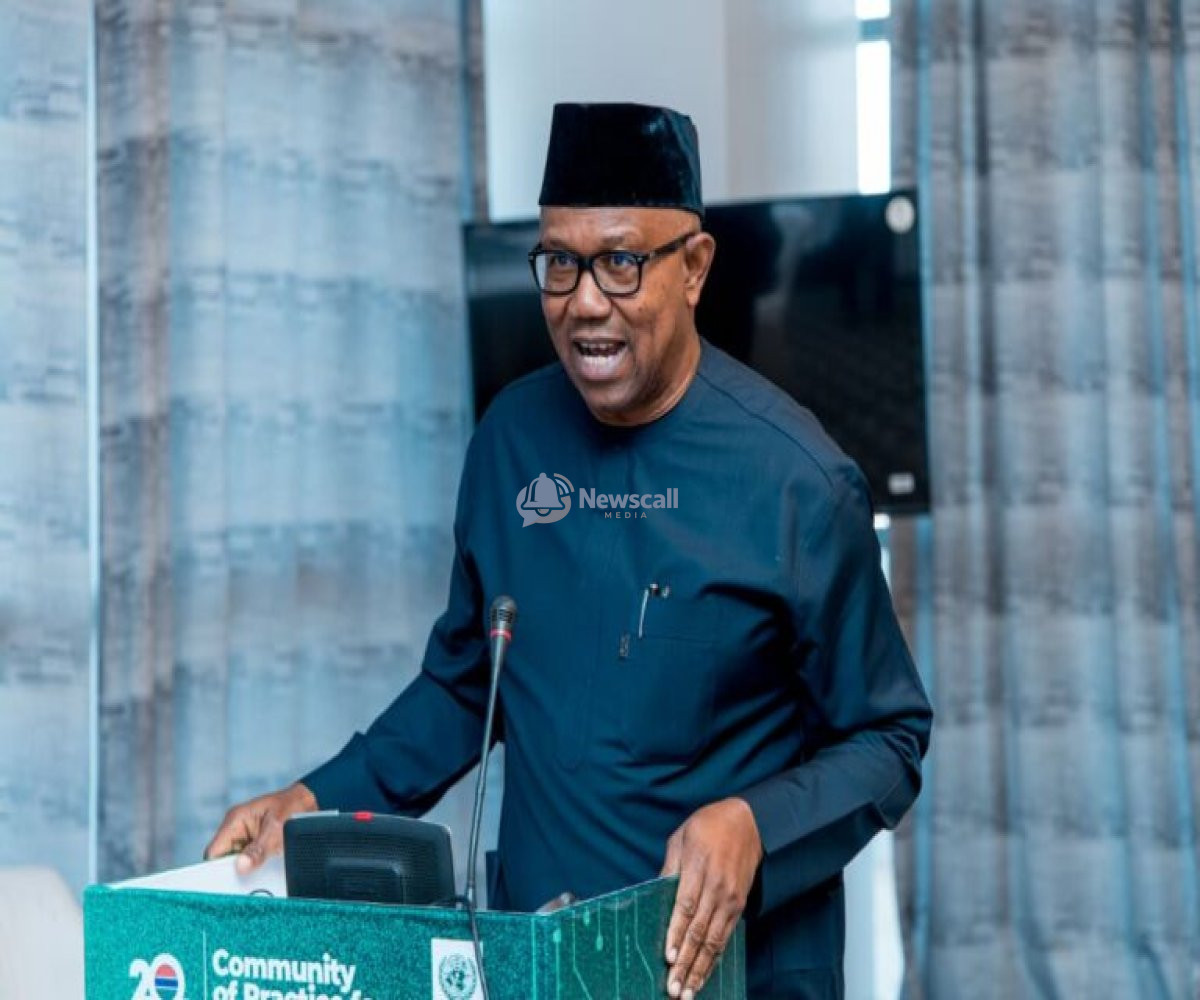
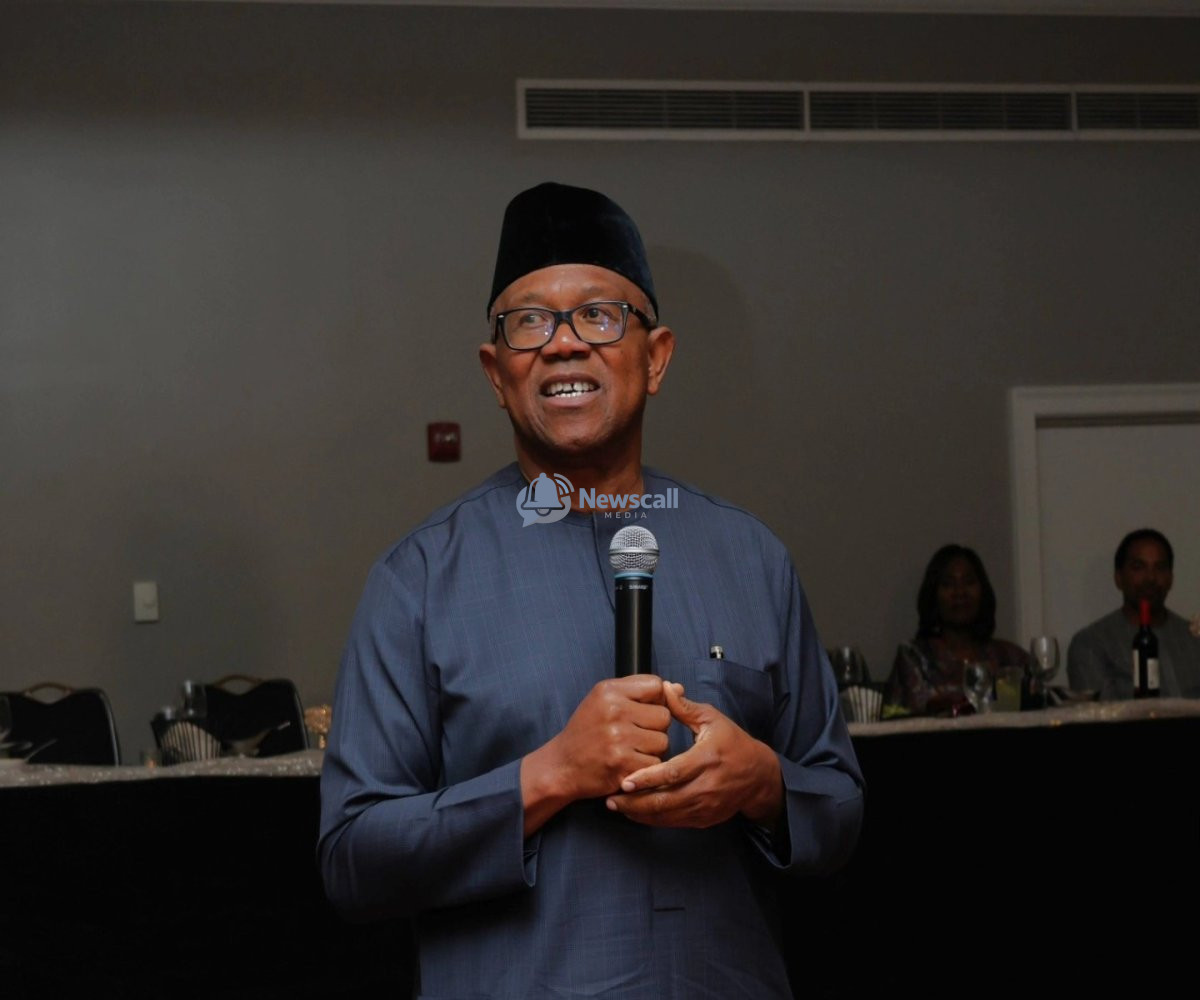
Former presidential candidate Peter Obi has formally announced his resignation from the African Democratic Congress (ADC), citing deepening internal crises within the party as well as broader systemic challenges affecting Nigeria’s political landscape.
In a detailed statement shared on Sunday via his official X (formerly Twitter) account, Obi explained that his decision came after a prolonged period of personal reflection, during which he endured what he described as “silent pains” while navigating the country’s complex and often hostile political environment.
Obi painted a stark picture of Nigeria’s current state, describing it as increasingly toxic and discouraging for individuals genuinely committed to public service. According to him, the system that ought to protect citizens and foster opportunities has instead become an obstacle, marked by intimidation, insecurity, suspicion, and widespread discouragement.
“We now live in an environment that has become increasingly toxic,” he said. “A system that should protect and create opportunities often works against the people it is meant to serve.”
The former Anambra State governor further revealed that his political journey in recent years has been fraught with internal pressures, misinterpretations, and what he termed unfair criticism—even from individuals who publicly associate with his vision for reform. He noted that, in many cases, those who outwardly align with his ideals often distance themselves behind the scenes or contribute to negative narratives.
“Some who publicly identify with you privately distance themselves or even join in unfair criticism,” Obi stated, lamenting that humility and civility are often misconstrued as weakness within Nigeria’s political culture.
Despite his decision to leave the ADC, Obi was careful to clarify that his departure was not rooted in personal grievances against the party’s leadership. He specifically expressed continued respect for key figures within the party, including former Senate President David Mark and former Vice President Atiku Abubakar.
“Let me state clearly,” he said, “my decision is not because Senator David Mark treated me badly, nor because my leader and elder brother, Alhaji Atiku Abubakar, or any other respected leaders did anything personally wrong to me. I will continue to respect them.”
However, Obi pointed to what he described as a recurring pattern of political instability and interference that appears to follow reform-driven movements. He alleged that the same systemic forces that contributed to crises within the Labour Party have now begun to manifest within the ADC.
According to him, the party has increasingly become entangled in internal conflicts, legal disputes, and factional struggles, diverting attention away from addressing critical national issues. He warned that such distractions undermine the party’s ability to offer credible alternatives to Nigerians.
“The same Nigerian state and its agents that created unnecessary crises and hostility within the Labour Party now appear to be finding their way into the ADC,” Obi asserted. “We are seeing endless court cases, internal battles, suspicion, and division, instead of focusing on deeper national problems.”
He further criticized what he described as a political culture driven more by control, exclusion, and power struggles than by genuine service and nation-building.
Obi emphasized that his political decisions are not motivated by personal ambition or desperation for office. Instead, he reaffirmed that his primary concern remains the welfare and dignity of ordinary Nigerians.
“I am not desperate to be President, Vice President, or Senate President,” he declared. “I am desperate to see a Nigeria where people can live in dignity—without hunger, fear, or displacement.”
Even as he steps away from the ADC, Obi maintained an optimistic outlook about Nigeria’s future. He reiterated his long-standing belief that the country can still achieve meaningful transformation through competent, compassionate, and people-centered leadership.
Ending his statement on a hopeful note, Obi reaffirmed his vision for national renewal: “A new Nigeria is possible.”

Anozie Chiemerie Emmanuel
Writer