Pauline Hanson Says One Nation Is Becoming a Mainstream Political Force
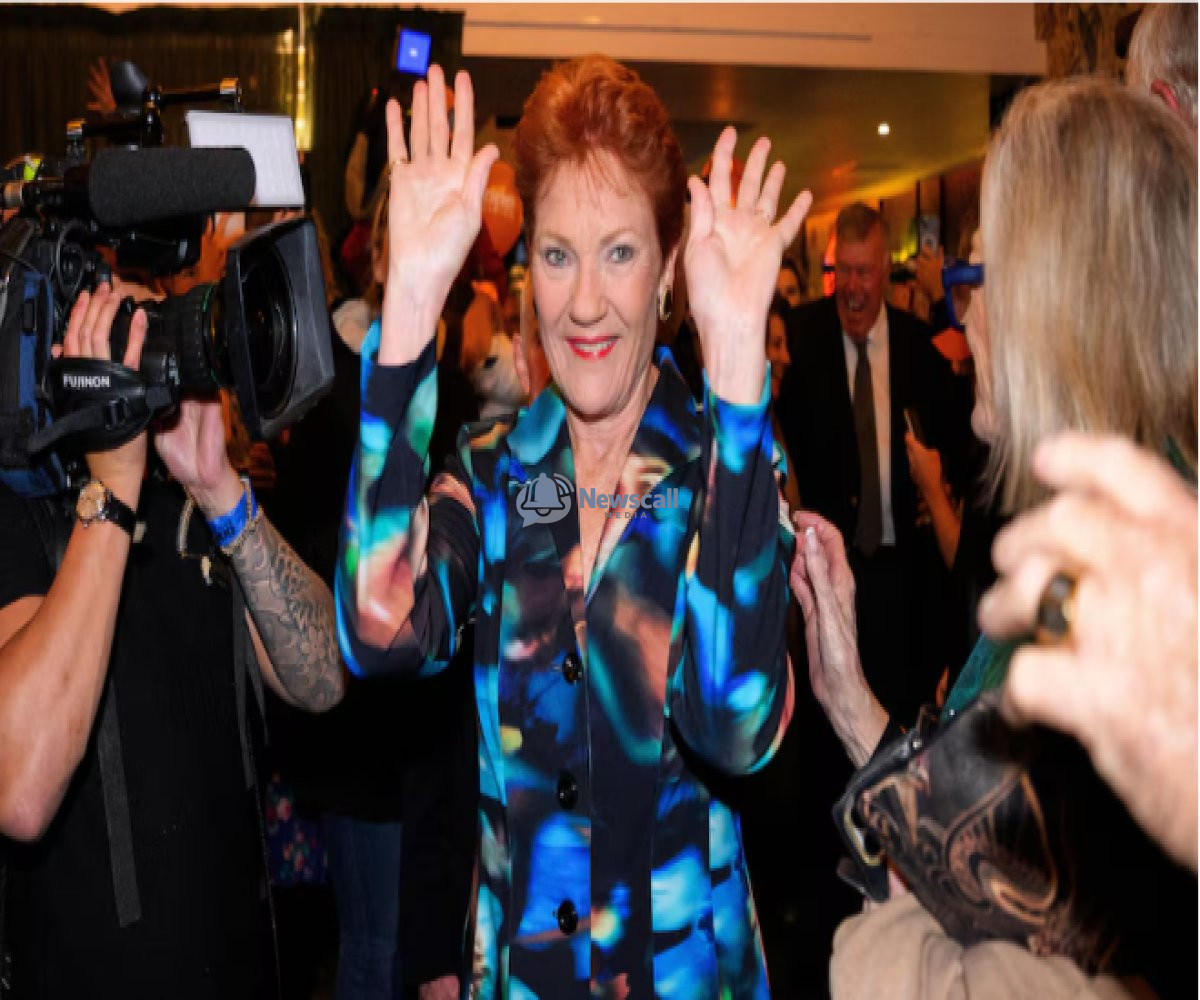
Pauline Hanson Says One Nation Is Becoming a Mainstream Political Force
One Nation leader Pauline Hanson has dismissed critics who claimed her party could never become a mainstream political force after the party secured a major victory in the Farrer by-election in Australia.
The by-election result marked a historic moment for One Nation, which won the federal seat of Farrer in a landslide, significantly reducing support for the Liberal and National parties. The victory represents the party’s first lower house seat win since Hanson entered federal parliament in 1996 and has intensified debate about the future direction of conservative politics in Australia.
Speaking after the election, Hanson said political rivals and sections of the media had long underestimated her party. She accused critics of arrogance for suggesting One Nation did not deserve a place in mainstream politics.
According to Hanson, democracy allows all political parties to present their policies and compete for public support. She argued that attempts to dismiss One Nation were out of touch with voters who feel ignored by traditional political parties.
The Farrer by-election exposed growing dissatisfaction among conservative voters. Just one year ago, the Liberal Party secured about 43 percent of the primary vote in the electorate. In the latest vote, that support was cut roughly in half, highlighting a major shift in voter sentiment.
Shadow Treasurer Tim Wilson acknowledged the defeat was damaging for the Coalition, admitting voters were demanding change. He said many Australians wanted leaders who would actively fight for their interests and economic future.
Wilson also warned the ruling Labor government not to dismiss the result as merely a conservative problem. He argued that frustrations over taxation and economic concerns could also affect Labor’s political standing ahead of the federal budget.
Australian Treasurer Jim Chalmers described the result as a “bloodbath” for the Coalition. He suggested the Liberal-National alliance may eventually need One Nation’s support to return to power federally.
Chalmers also hinted that pressure could mount on Opposition leadership figures following the defeat, saying the result reflected deeper structural problems within conservative politics.
The by-election outcome has triggered internal discussions within the Liberal Party about whether future cooperation with One Nation could become necessary. Some senior Liberal figures are reportedly considering whether a formal arrangement with Hanson’s party may be the only realistic path back to government if voter support for the Coalition continues to weaken.
Former Prime Minister Tony Abbott has publicly discussed the possibility of working with One Nation in the future, although he previously criticised the party by comparing it to a “complaints desk.”
When asked whether the Liberals could eventually form government alongside One Nation, Wilson did not reject the idea outright. He said Australian voters would ultimately decide which parties deserved representation and influence.
Deputy Liberal leader Jane Hume also avoided ruling out cooperation with One Nation. While she stressed that the Liberal Party’s traditional partnership remains with the National Party, she stopped short of dismissing broader coalition possibilities.
Former opposition leader Sussan Ley, whose resignation triggered the Farrer by-election, used the result to warn the Liberal Party about the urgency of political reform. She referenced earlier comments from opposition figure Angus Taylor that the party must “change or die,” arguing the by-election result proved that warning was becoming increasingly serious.
The rise of One Nation reflects a broader shift in Australian politics, where dissatisfaction with major parties has created opportunities for smaller and populist movements. Voters concerned about economic pressures, taxation, immigration, and political representation are increasingly turning to alternatives outside the traditional Liberal-Labor divide.
Political analysts believe the Farrer result could influence campaign strategies ahead of future federal elections, especially in outer suburban and regional areas where voter frustration with mainstream parties appears strongest. One Nation has already signalled that its next major political target will be Western Sydney, an area considered crucial in determining future election outcomes.
The by-election victory has transformed One Nation from a protest movement into a more serious electoral force. Whether the party can sustain this momentum nationally remains uncertain, but the result has clearly reshaped conversations about Australia’s political landscape and the future of conservative alliances.

Nwekwe Esther Amarachukwu
Public speaker,Research-driven writer covering politics and public affairs, committed to accuracy, and meaningful public discourse.