

Opposition Parties Unite for Single 2027 Presidential Candidate, Call for INEC Chairman’s Removal
Opposition Parties Unite for Single 2027 Presidential Candidate, Call for INEC Chairman’s Removal
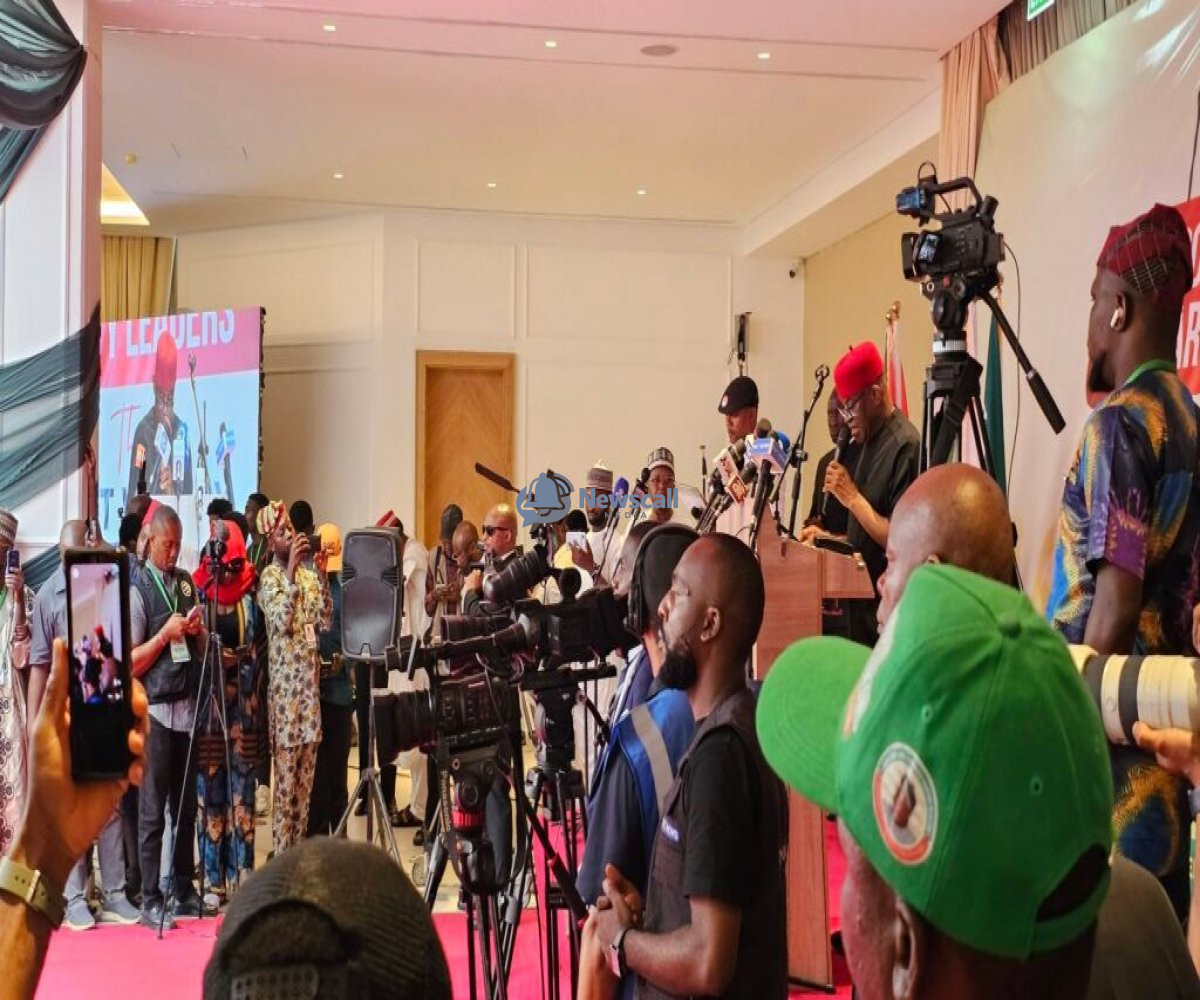
Leaders of Nigeria’s major opposition political parties have agreed to work towards presenting a single presidential candidate for the 2027 general election. The decision was reached at a national summit held on April 25, 2026, in Ibadan, Oyo State, where prominent political figures gathered to discuss coalition strategies aimed at challenging the ruling All Progressives Congress (APC).
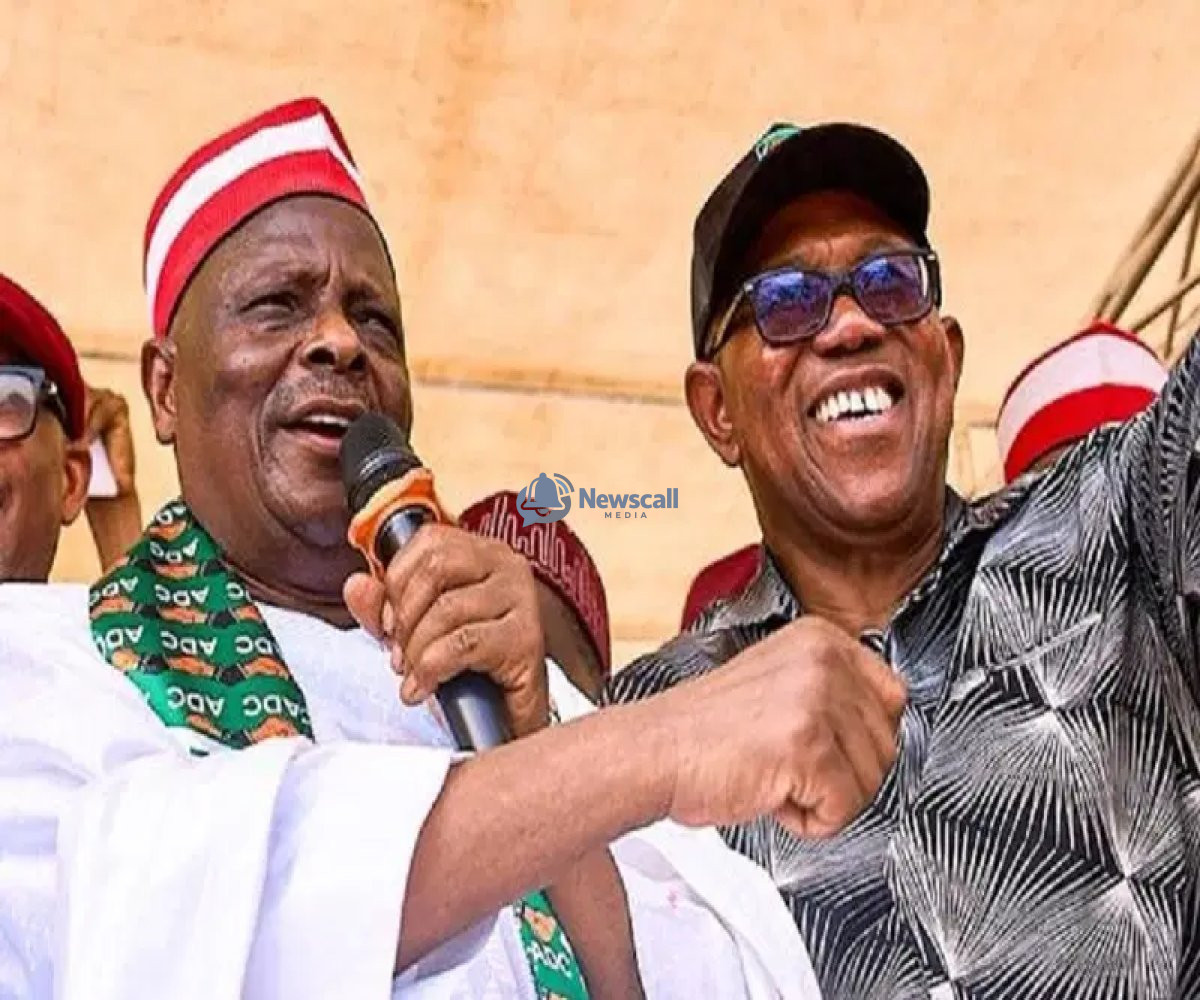
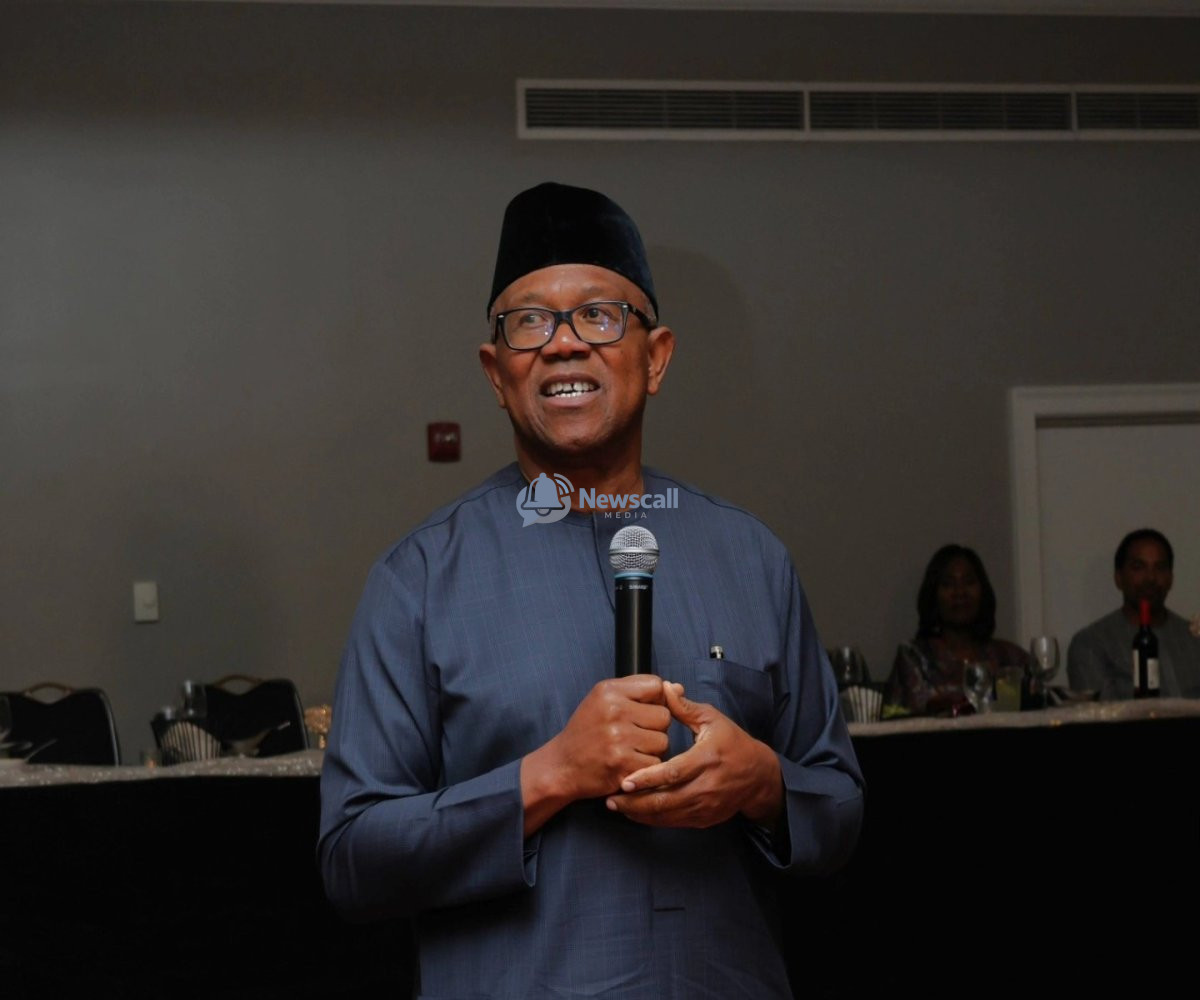
The summit brought together key opposition figures, including former Vice President Atiku Abubakar, former governors Peter Obi, Rotimi Amaechi, Rabiu Kwankwaso, and Rauf Aregbesola. Other notable attendees included former Senate President David Mark, former Minister of Information Jerry Gana, political economist Pat Utomi, and Oyo State Governor Seyi Makinde.
Speaking at the event, factional Peoples Democratic Party (PDP) National Chairman Saminu Turaki stated that opposition parties had resolved to rally behind a consensus candidate. According to him, “We will work towards fielding only one presidential candidate for the 2027 general election… in order to rescue our nation and the suffering masses.”
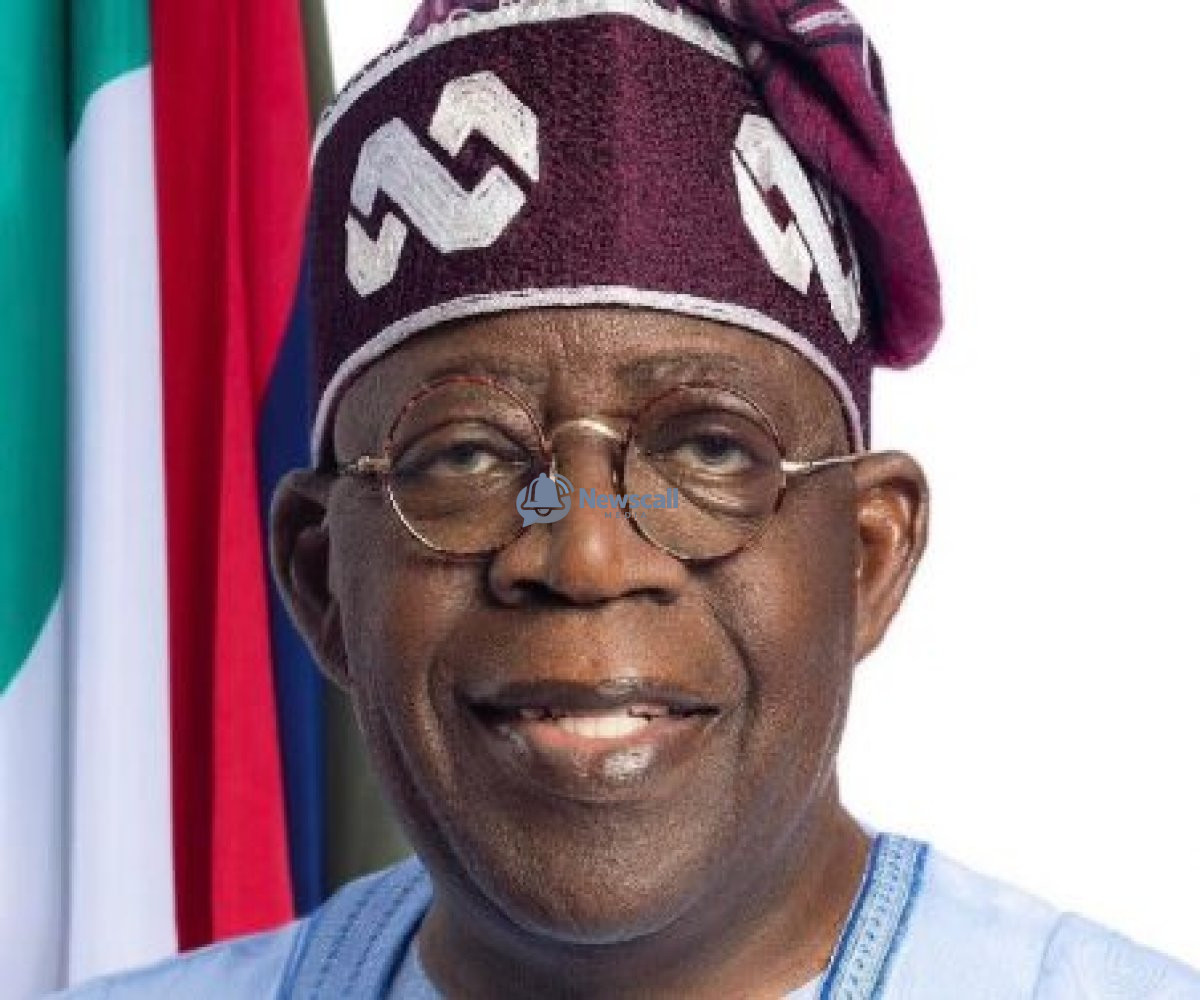
The agreement was formalised in a communiqué titled the “Ibadan Declaration,” signed by leaders of participating opposition parties. In the document, the coalition accused the APC of pursuing anti-democratic policies and attempting to impose President Bola Tinubu as the sole candidate in the next election.
The communiqué further stated that the opposition would resist any attempt to turn Nigeria into a one-party state, affirming their commitment to multi-party democracy. It also reiterated that despite what they described as political manoeuvrings by the ruling party, opposition groups would field candidates and actively contest the 2027 elections.
In addition, the coalition demanded the removal of the Chairman of the Independent National Electoral Commission (INEC), Joash Ojo Amupitan, accusing him of bias in favour of the APC. The opposition argued that public confidence in the electoral body’s neutrality had eroded, warning that his continued leadership could trigger political instability.
They also called on the National Assembly to review the Electoral Act 2026, citing concerns that certain provisions could undermine electoral credibility and conflict with constitutional principles. The group criticised newly released INEC guidelines for the 2027 elections, describing them as restrictive measures that could disadvantage opposition parties. Among their demands was an extension of the deadline for party primaries to the end of July 2026.
Furthermore, the coalition urged authorities to release politicians allegedly detained or harassed over bailable offences, arguing that such actions limit democratic participation and weaken political inclusivity.
The move to adopt a single presidential candidate reflects a strategic shift by opposition parties in Nigeria, which have historically struggled with fragmentation during national elections. In previous contests, multiple opposition candidates often split votes, benefiting the ruling party. By forming a united front, the coalition aims to consolidate voter support and mount a more formidable challenge to the APC in 2027.
The call for the removal of the INEC chairman also highlights ongoing concerns about electoral integrity in Nigeria. Trust in the electoral process remains a critical factor in ensuring peaceful and credible elections. Disputes over electoral guidelines, legal frameworks, and institutional neutrality have frequently shaped political tensions in the country.
Additionally, the debate over amendments to the Electoral Act and election timelines underscores broader disagreements about the rules governing Nigeria’s democracy. These issues are likely to influence political alignments, campaign strategies, and voter confidence in the lead-up to the next general election.
The Ibadan summit marks a significant development in Nigeria’s political landscape as opposition parties seek unity ahead of the 2027 elections. While the agreement to present a single presidential candidate signals a coordinated effort to challenge the ruling APC, disagreements over electoral administration and legal frameworks remain unresolved. How these demands are addressed—particularly regarding INEC leadership and electoral reforms—could play a decisive role in shaping the credibility and outcome of the upcoming elections.

Nwekwe Esther Amarachukwu
Public speaker,Research-driven writer covering politics and public affairs, committed to accuracy, and meaningful public discourse.