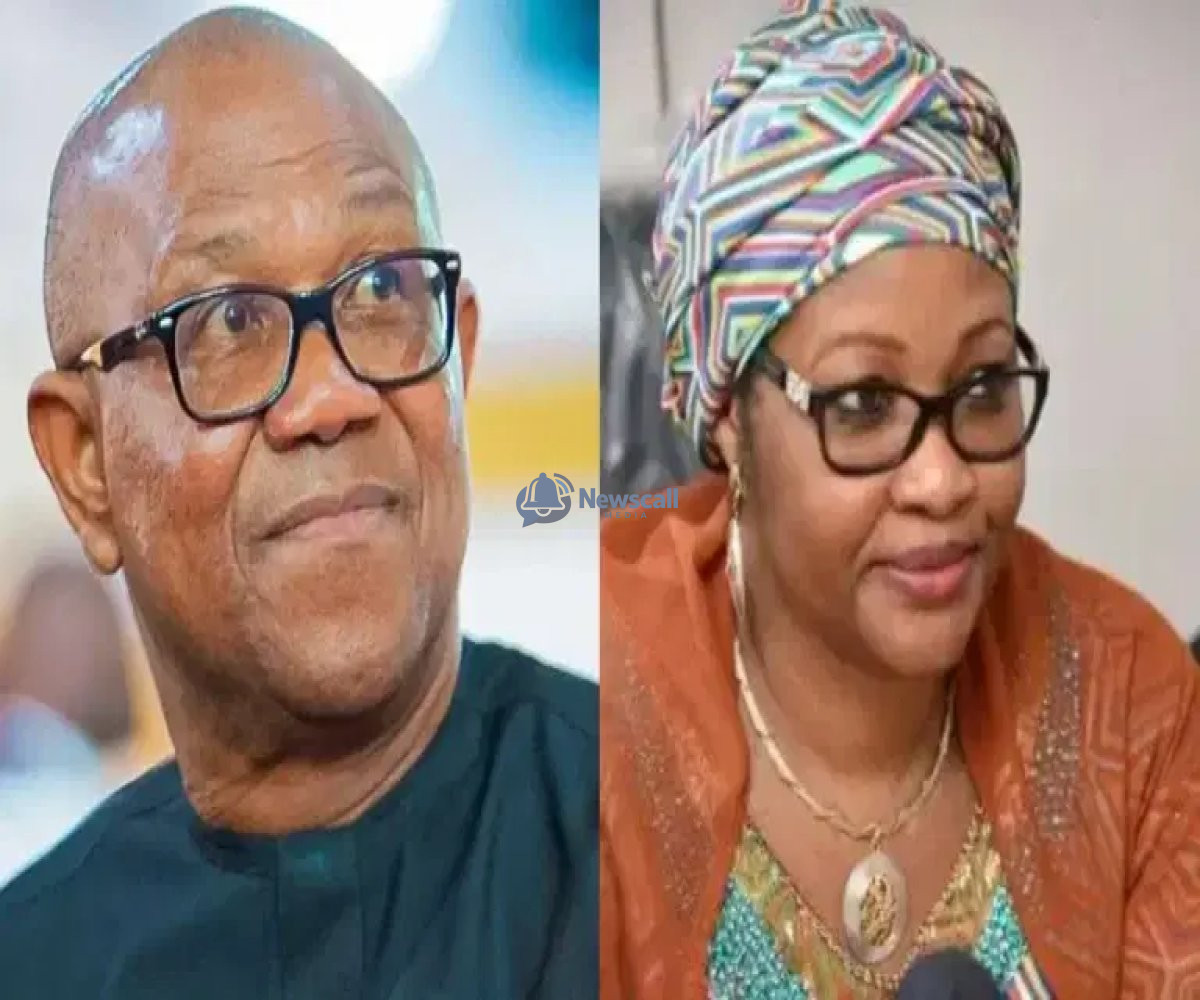


Opposition Parties Consider Consensus Presidential Candidate for 2027 Election
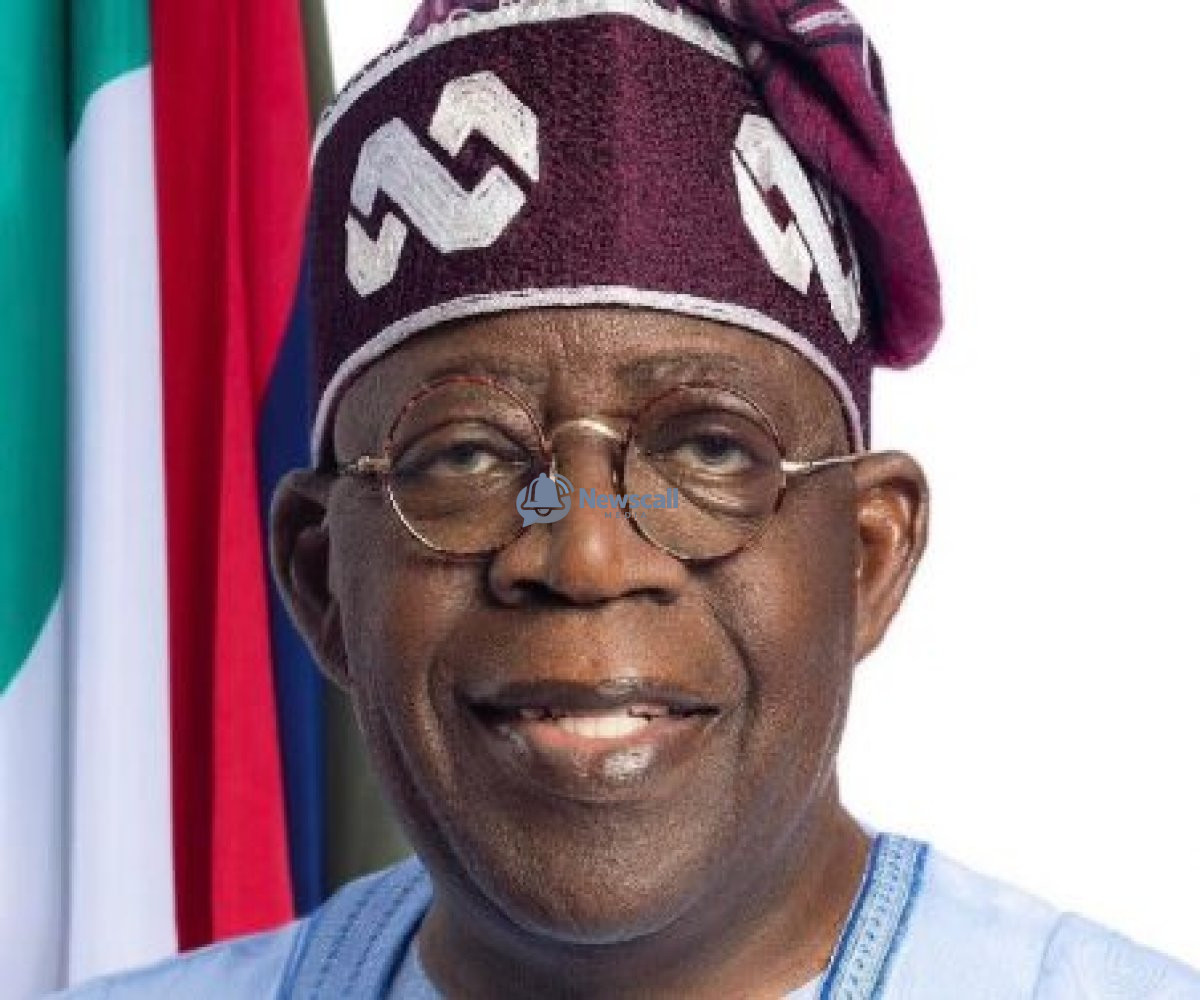
Opposition Parties Consider Consensus Presidential Candidate for 2027 Election
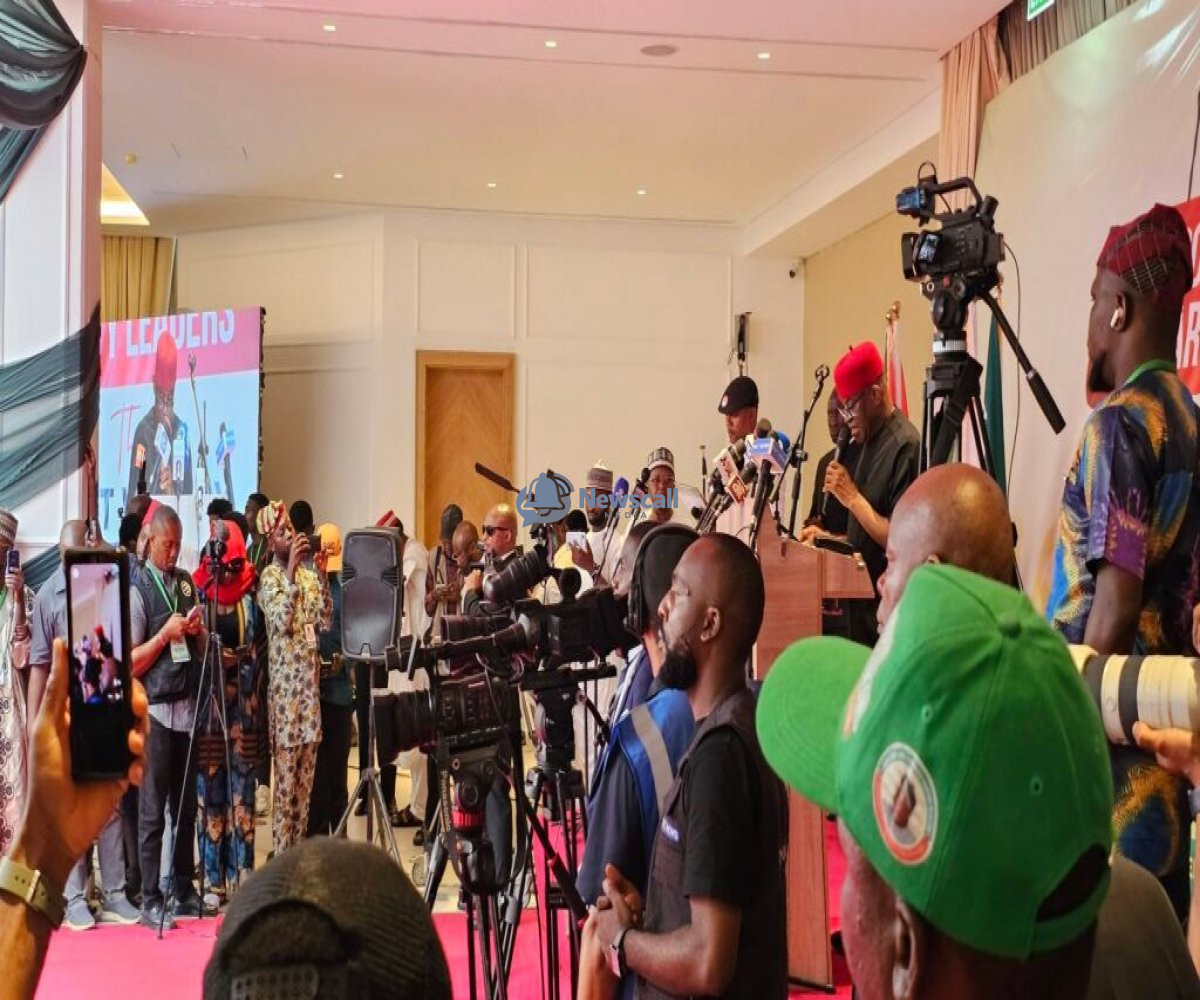
Opposition political parties in Nigeria have begun moves to present a consensus presidential candidate for the 2027 general election as part of efforts to challenge the ruling government. The decision was discussed and adopted at a National Summit of Opposition Party Leaders held on April 25, 2026, in Ibadan, Oyo State.
The resolution emerged from deliberations at the summit, which brought together national chairmen of opposition parties, former governors, and key political stakeholders across the country. The meeting, themed “That We May Work Together for a United Opposition to Sustain Our Democracy,” focused on coalition-building and strategies to strengthen opposition participation in future elections.
In a communiqué issued at the end of the meeting, titled the “Ibadan Declaration,” the parties stated their intention to jointly agree on and support a single presidential candidate for the 2027 election. According to the document, the move is aimed at consolidating opposition strength and improving their chances of defeating the ruling All Progressives Congress (APC), led by President Bola Tinubu.
The communiqué also reaffirmed the opposition’s commitment to contesting the 2027 presidential and other elections, despite what they described as political manoeuvres by the ruling party. The parties accused the APC of actions that could undermine democratic principles and warned against any attempt to turn Nigeria into a one-party state. They stressed the need to protect the country’s multi-party system as a foundation of democratic governance.
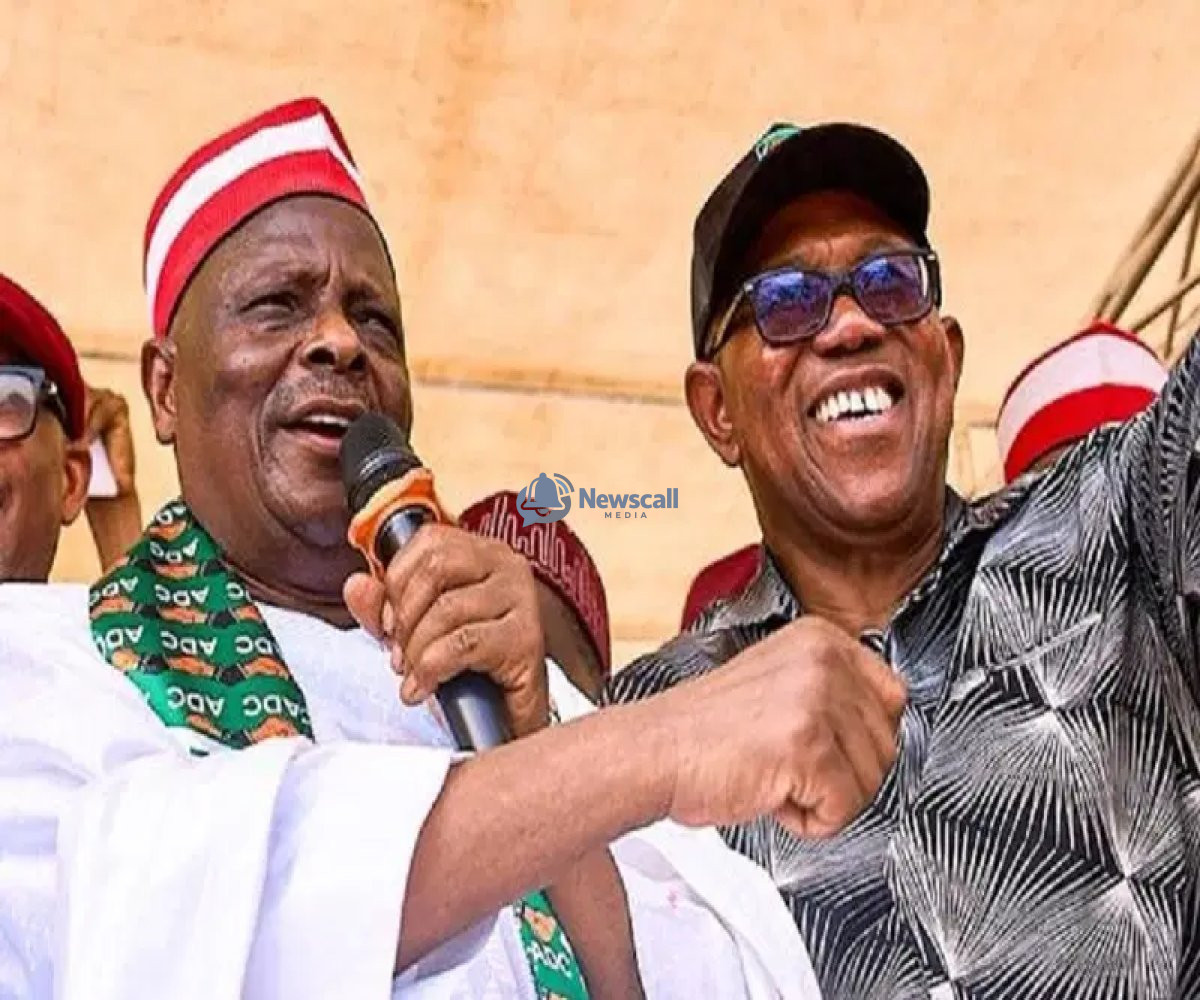
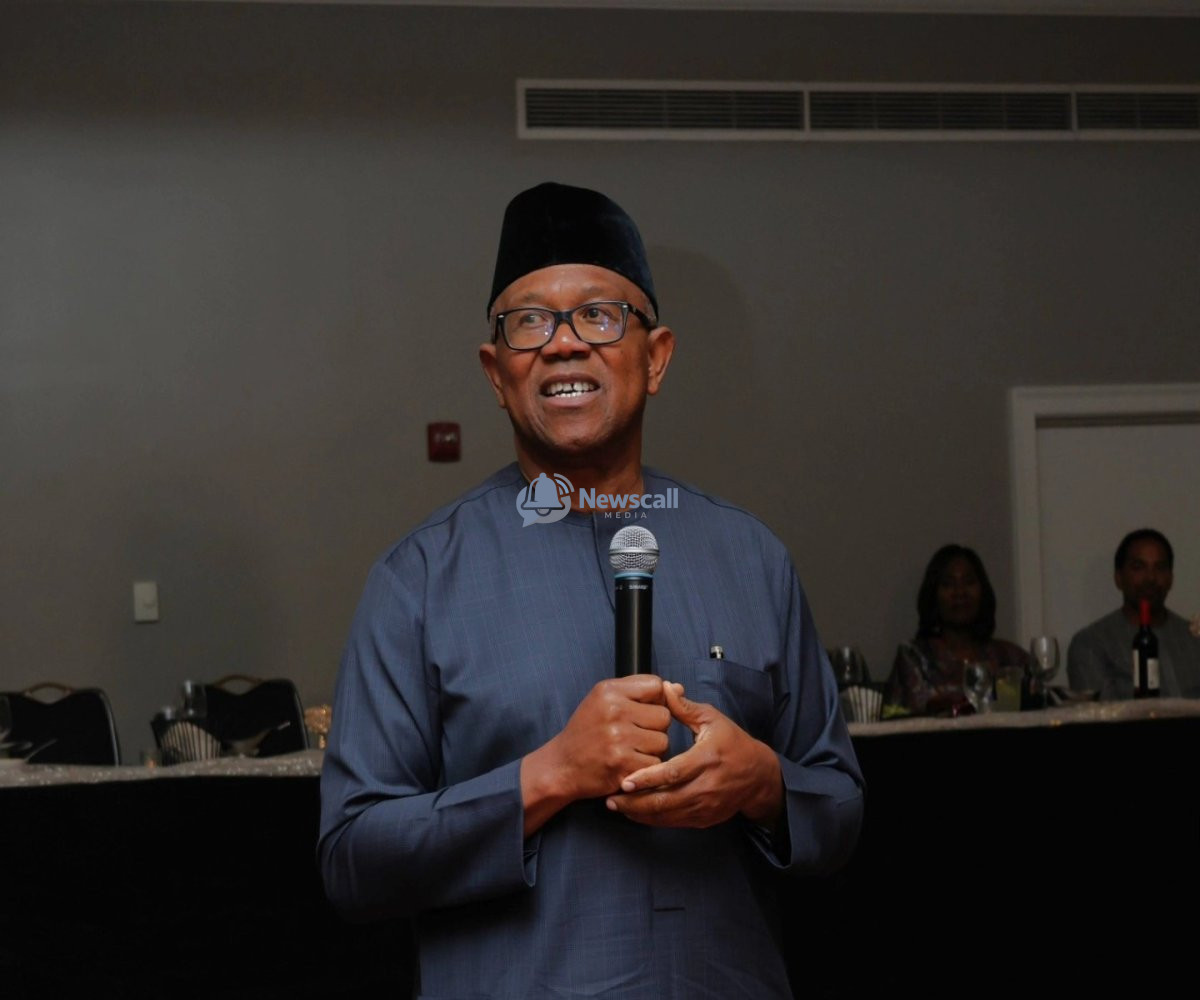
Prominent political figures attended the summit, including former Vice President Atiku Abubakar, former Senate President David Mark, and former governors such as Peter Obi, Rabiu Kwankwaso, and Rauf Aregbesola.
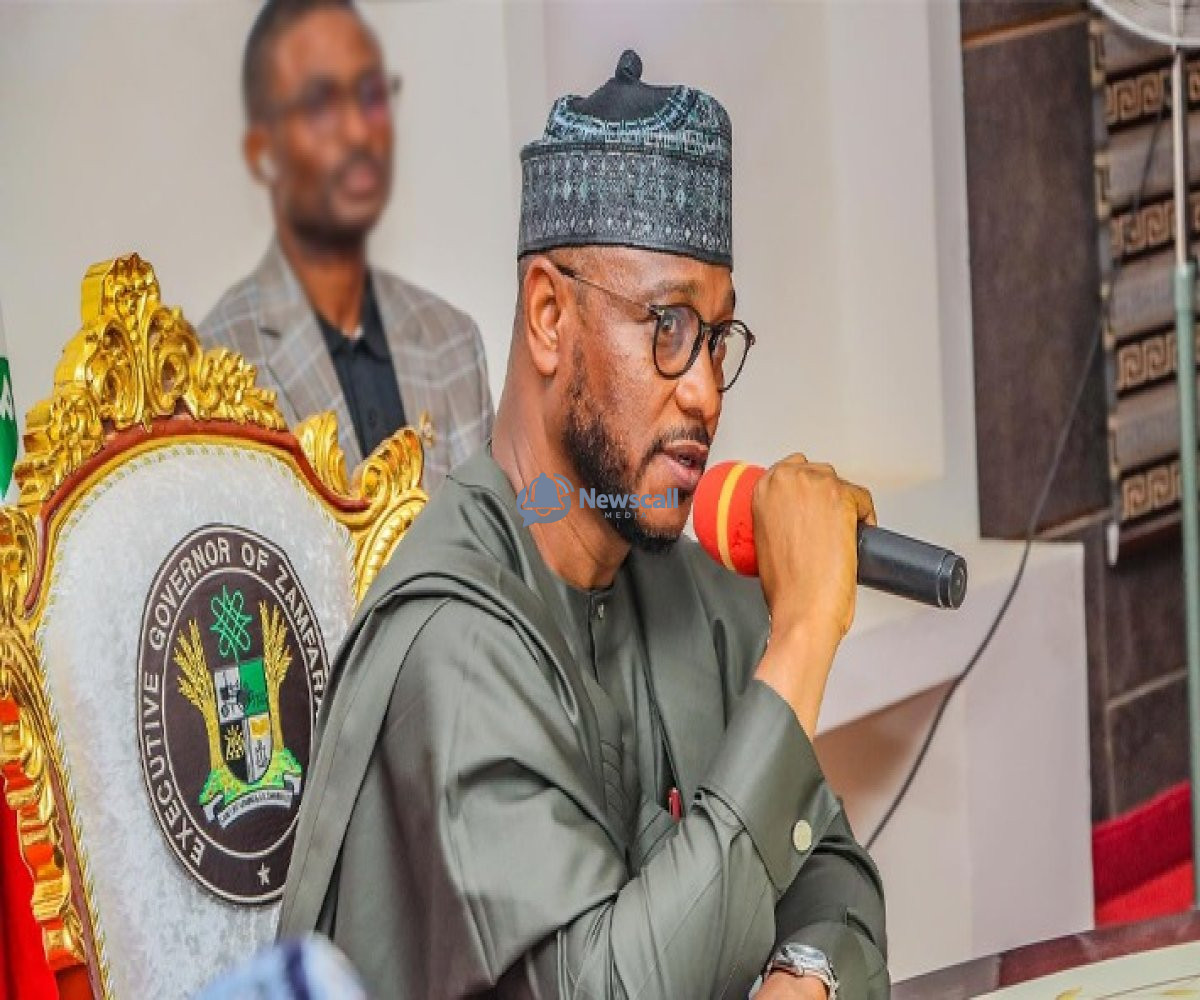
Other participants included Jerry Gana, Pat Utomi, Aminu Tambuwal, Rotimi Amaechi, Abdulfatah Ahmed, and Babangida Aliyu, among others. The summit was hosted by Oyo State Governor Seyi Makinde.
A wide range of political parties were represented at the meeting, including the Peoples Redemption Party (PRP), New Nigeria Peoples Party (NNPP), Labour Party (LP), Accord Party, and several smaller parties. The broad participation underscored efforts to build a unified opposition coalition ahead of the next electoral cycle.
The communiqué emphasized that the proposed consensus candidate would be selected through agreement among participating parties, rather than imposed by any single group. It also highlighted the importance of collaboration and unity among opposition forces to ensure effective political competition.
Nigeria’s opposition parties have historically struggled with fragmentation during presidential elections, often presenting multiple candidates who split the vote. This has typically benefited the ruling party, which can secure victory with a divided opposition. The current move toward a consensus candidate signals a strategic shift aimed at addressing this long-standing challenge.
If successfully implemented, the plan could significantly reshape the political landscape ahead of the 2027 elections. A united opposition front may increase competitiveness, encourage voter participation, and alter campaign dynamics across the country.
The emphasis on preserving multi-party democracy also reflects broader concerns about political balance and institutional accountability in Nigeria. Allegations of dominance by a single party have been a recurring theme in political discourse, making coalition-building among opposition groups a critical issue.
The Ibadan summit marks an important step in ongoing efforts by Nigeria’s opposition parties to strengthen their position ahead of the 2027 general election. By proposing a consensus presidential candidate and reaffirming their commitment to democratic competition, the parties signal a coordinated approach to challenging the ruling APC. Whether this unity can be sustained and translated into electoral success will depend on continued cooperation, internal negotiations, and the broader political environment in the lead-up to 2027.

Nwekwe Esther Amarachukwu
Public speaker,Research-driven writer covering politics and public affairs, committed to accuracy, and meaningful public discourse.