

Nigeria Moves to Secure Compensation for Citizens Forced to Abandon Businesses in South Africa
Nigeria Moves to Secure Compensation for Citizens Forced to Abandon Businesses in South Africa
Government shifts from evacuation to recovery
The Federal Government has announced plans to pursue compensation for Nigerians who were forced to leave behind businesses, vehicles and other properties while returning from South Africa amid renewed anti-immigrant tensions.
Nigeria’s Acting High Commissioner to South Africa, Alexander Ajayi, disclosed that authorities have begun documenting assets abandoned by returnees as part of a broader diplomatic effort to protect investments built over many years.
The announcement signals a shift in focus — from emergency evacuation to economic recovery and citizen protection.
Documenting losses, pursuing accountability
Speaking during an interview on Channels Television’s The Morning Brief, Ajayi said Nigerians returning home have been instructed to properly record all businesses and personal assets left behind to support future engagement with South African authorities.
According to him, the Nigerian government intends to work with South African officials to identify affected properties and explore possible compensation mechanisms.
Ajayi maintained that the evacuation exercise would not end with simply bringing citizens back home.
He also challenged the narrative that most Nigerians in South Africa are undocumented, explaining that many migrated legally but later faced delays and administrative bottlenecks linked to immigration renewal processes.
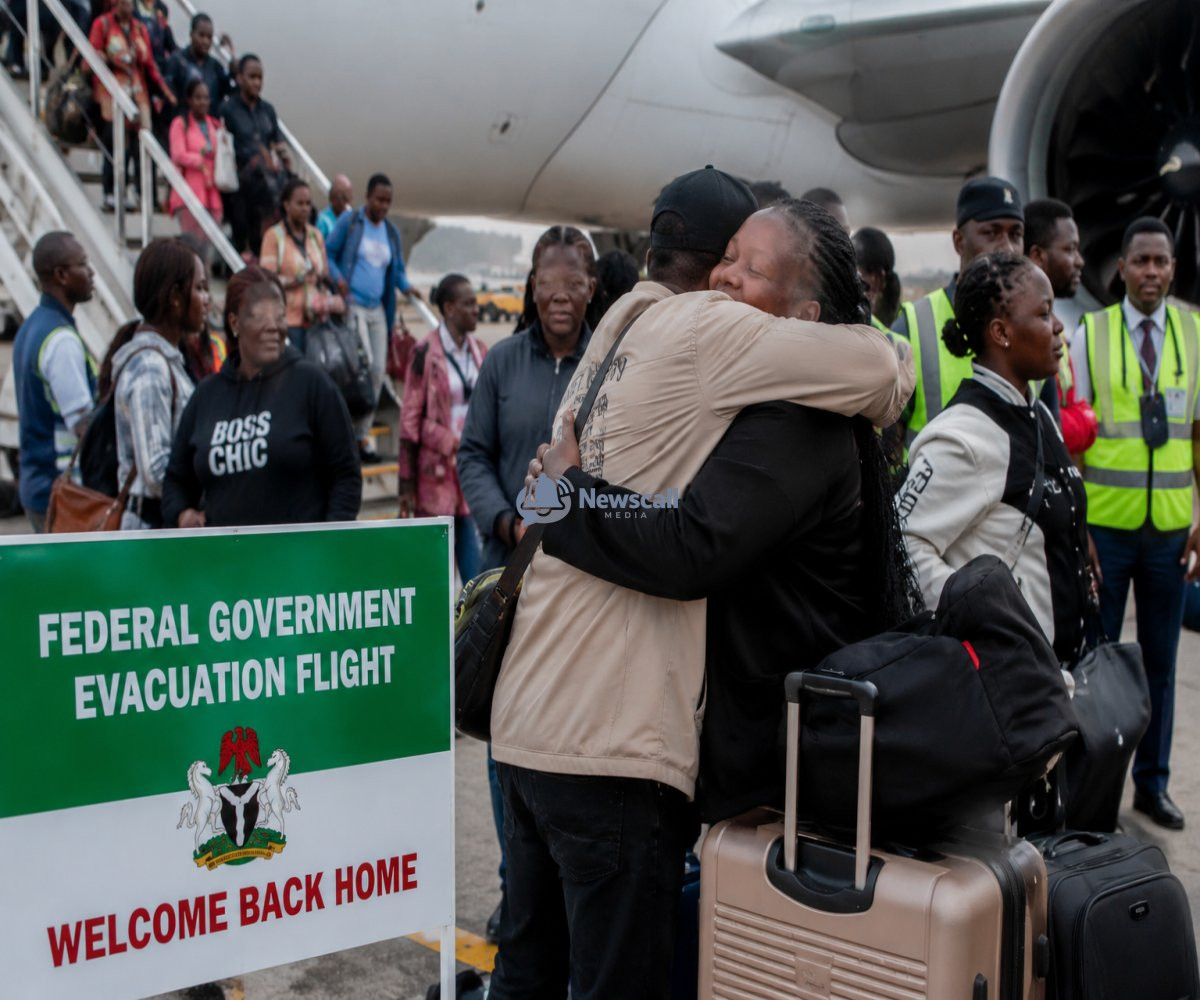
The latest evacuation phase saw hundreds of Nigerians return to Lagos under the Federal Government’s voluntary repatriation programme. Many described leaving under pressure, abandoning years of work, savings and investments.
Among them were business owners who said repeated hostility, fear and insecurity made remaining in South Africa impossible.
Beyond migration — protecting dignity and investment
The issue highlights a larger challenge facing Africans living and doing business across borders: how governments respond when citizens abroad face threats, displacement or economic loss.
South Africa has experienced recurring waves of anti-immigrant tensions over the years, often affecting foreign-owned businesses and migrant communities. While many foreign nationals continue to live and work legally in the country, periods of unrest have repeatedly raised concerns about safety, economic inclusion and regional cooperation.
For Nigeria, the compensation effort represents more than financial recovery. It reflects an attempt to reassure citizens that investments made abroad should not disappear without accountability.
A test of diplomacy — and a message to citizens
Whether compensation becomes a reality will depend on documentation, diplomatic engagement and cooperation between both governments.
But for many returnees arriving with little more than memories of businesses they once built, the message from Abuja is clear: evacuation is not intended to be the final chapter.
For those returning home to rebuild, recovery may begin with recognition that years of work still matter — even after crossing the border back home.

Nwekwe Esther Amarachukwu
Public speaker,Research-driven writer covering politics and public affairs, committed to accuracy, and meaningful public discourse.