

Makinde Warns Against Weakening Opposition, Says Democracy at Risk
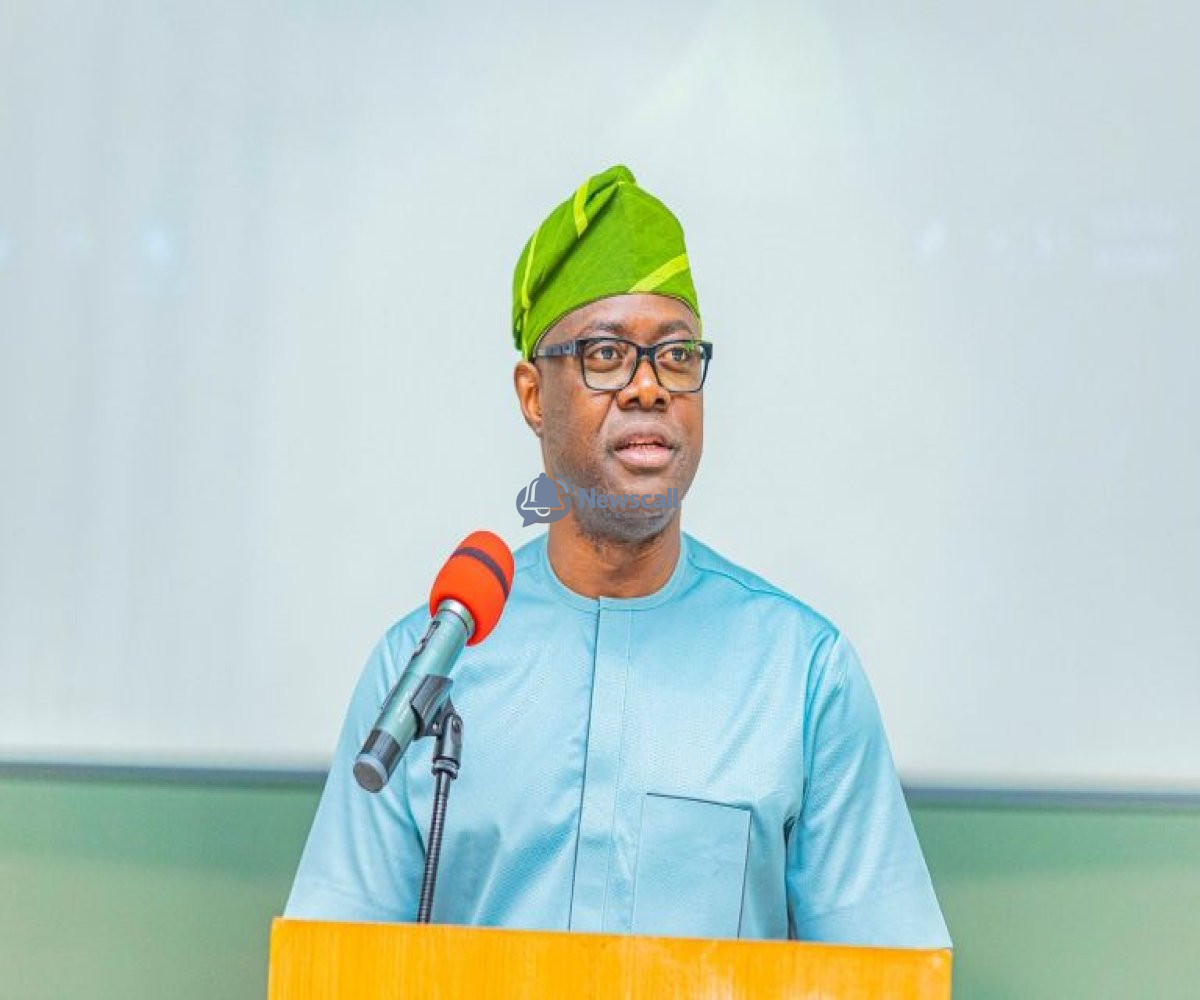
Makinde Warns Against Weakening Opposition, Says Democracy at Risk
Governor Seyi Makinde of Oyo State has cautioned that any attempt to weaken political opposition in Nigeria could have serious consequences for the country’s democratic system. He made this statement during an opposition leaders’ summit held in Ibadan on Saturday, where political stakeholders gathered to deliberate on strengthening cooperation among parties.
The summit, which took place at the Banquet Hall of the Oyo State Government House in Ibadan, brought together key figures from major opposition parties, including the Peoples Democratic Party (PDP), African Democratic Congress (ADC), and New Nigeria Peoples Party (NNPP), alongside representatives of other political groups.
Organised under the theme, “That We May Work Together for a United Opposition to Sustain Our Democracy,” the meeting was described by its conveners as a strategic response to increasing concerns about governance, economic hardship, and insecurity across Nigeria.
Addressing participants, Makinde emphasised that the purpose of the gathering was not to incite division or political conflict but to encourage responsible engagement among opposition actors. He stressed that collaboration across party lines remains essential to national stability and democratic sustainability.
He warned that neglecting or deliberately weakening opposition voices could undermine the balance necessary in a functioning democracy. According to him, “If we allow opposition to weaken, whether by design or by neglect, then we all bear the consequences.”
Makinde further clarified that the initiative was not aimed at fragmentation, violence, or political disengagement. Instead, he described it as a call for thoughtful participation in governance and public discourse. In his words, the movement is “to think clearly, to speak honestly, and to act with a sense of responsibility that goes beyond party lines.”
The governor also highlighted the urgency of Nigeria’s current challenges, noting that issues such as economic strain and security threats require open dialogue and collective effort among political leaders, regardless of party affiliation.
Makinde’s remarks come at a time when Nigeria’s political landscape is marked by rising concerns over governance effectiveness, economic pressures, and security instability. In democratic systems, a strong opposition is widely regarded as a critical component for accountability, policy scrutiny, and representation of diverse viewpoints.
The gathering in Ibadan reflects ongoing efforts among opposition parties to coordinate strategies and present unified positions on national issues. Analysts have often pointed out that fragmented opposition weakens democratic checks and balances, potentially allowing ruling parties to operate with limited scrutiny.
By advocating for unity and constructive engagement, Makinde’s message aligns with broader democratic principles that emphasise pluralism and institutional balance as safeguards against authoritarian tendencies.
The opposition summit in Ibadan underscores a growing recognition among Nigerian political actors of the need for stronger collaboration in addressing national challenges. Governor Seyi Makinde’s warning highlights the risks associated with a weakened opposition and reinforces the importance of active, responsible political participation. As Nigeria navigates complex socio-economic and security issues, the call for unity among opposition groups may play a significant role in shaping the country’s democratic trajectory.

Nwekwe Esther Amarachukwu
Public speaker,Research-driven writer covering politics and public affairs, committed to accuracy, and meaningful public discourse.