

Makinde Warns Against One-Party Dominance, Cites ‘Operation Wetie’ at Ibadan Summit
Makinde Warns Against One-Party Dominance, Cites ‘Operation Wetie’ at Ibadan Summit
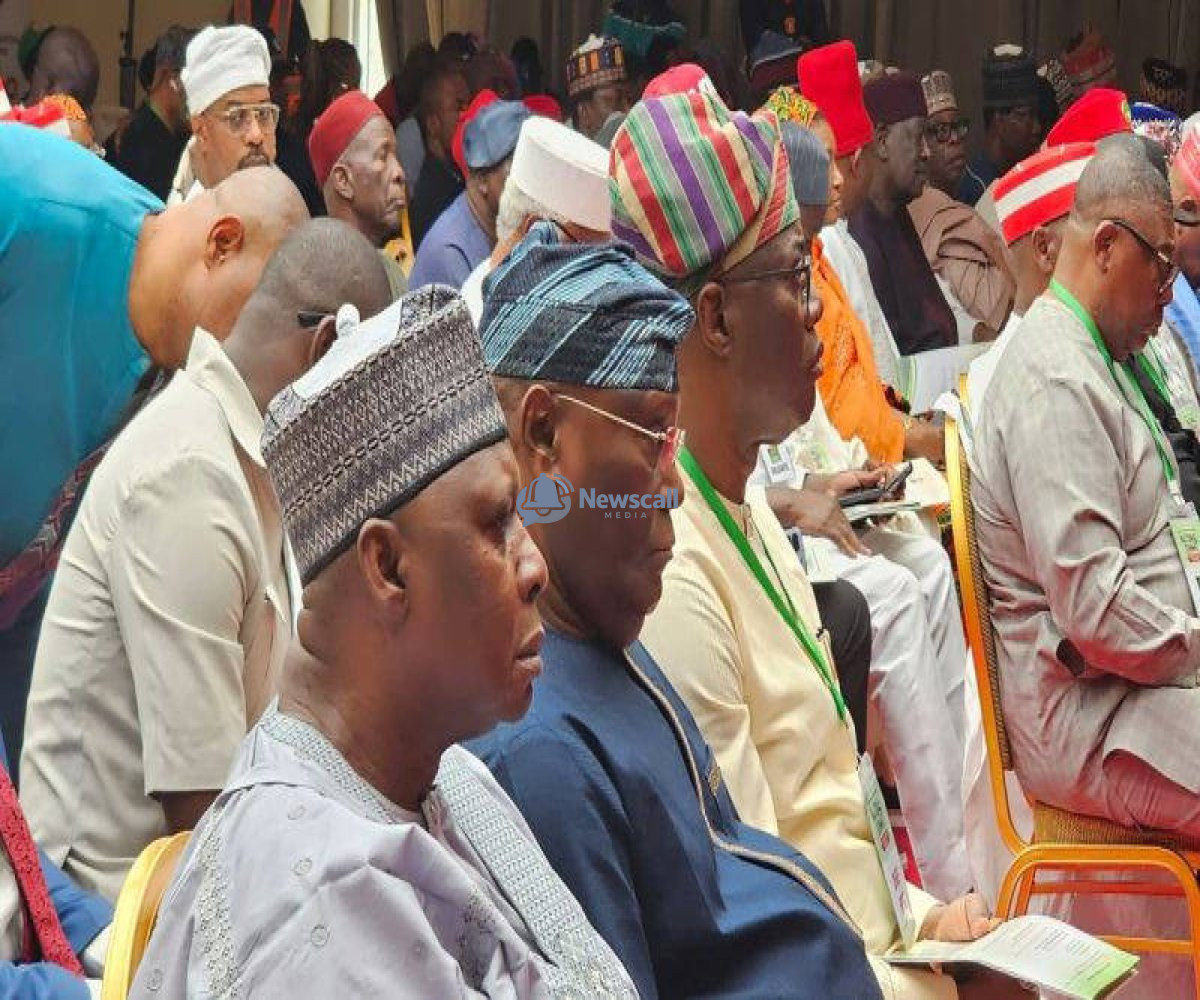
Governor Seyi Makinde of Oyo State has cautioned against the dangers of political domination by a single party, drawing historical parallels to the violent “Operation Wetie” crisis of the 1960s. He delivered the warning during a national summit of opposition political leaders held in Ibadan on April 25, 2026, where key political figures gathered to deliberate on Nigeria’s democratic future ahead of the 2027 general elections.
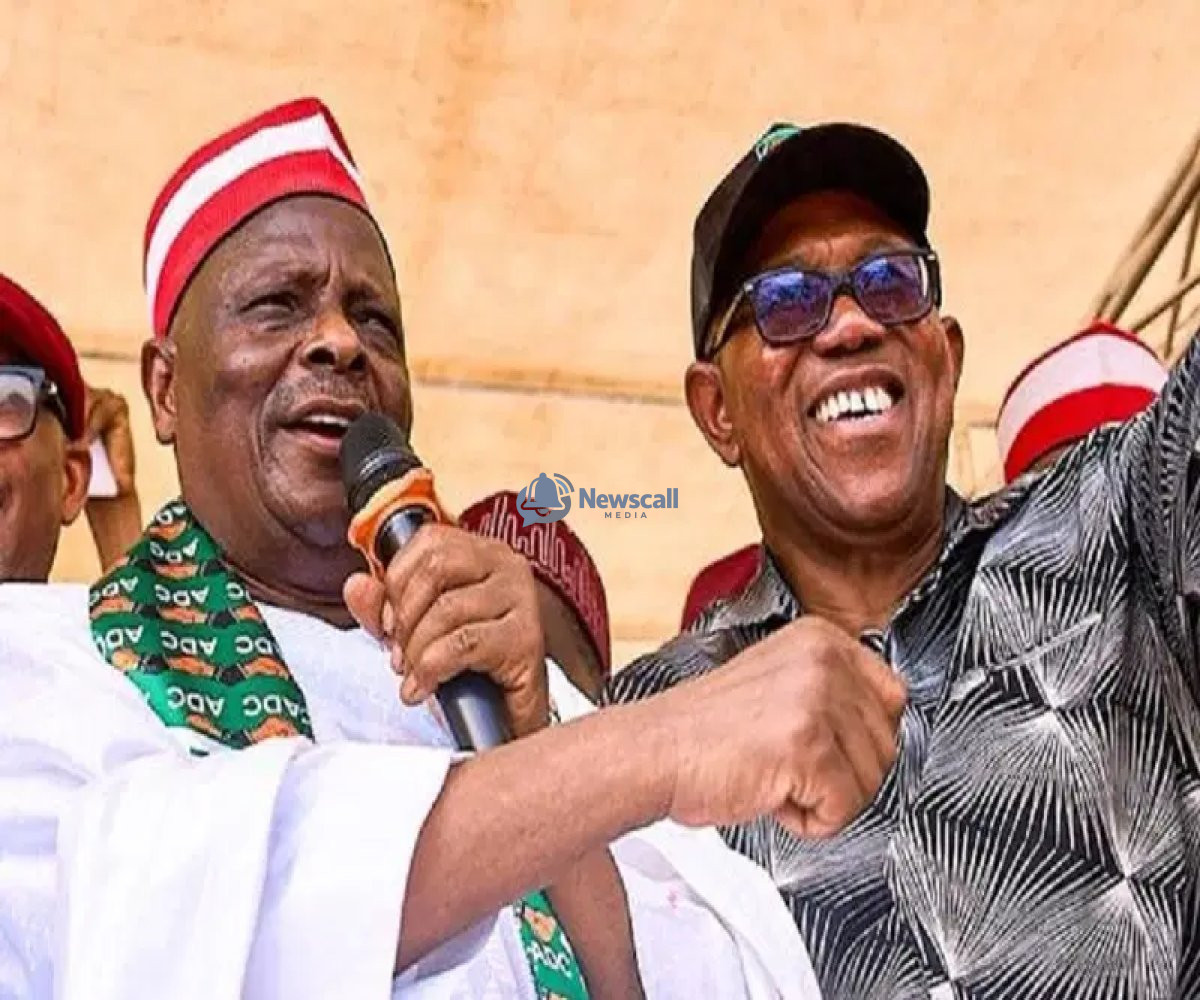
The summit brought together prominent opposition leaders, including former Vice President Atiku Abubakar, former Kano State Governor Rabiu Musa Kwankwaso, former Minister Rotimi Amaechi, Labour Party’s Peter Obi, and former Osun State Governor Rauf Aregbesola. The meeting focused on strengthening opposition collaboration and exploring the possibility of presenting a unified presidential candidate in the 2027 elections.
In his address, Makinde referenced the “Operation Wetie” violence that erupted in the Western Region following the disputed 1965 elections. The crisis, marked by arson and political attacks, became symbolic of electoral breakdown and political intolerance. He warned that similar instability could re-emerge if democratic structures are weakened.
Makinde stated, “For those acting as if there is no tomorrow, they should remember that ‘Operation Wetie’ started from here. This is the same Wild Wild West.” He emphasized that democracy cannot thrive without a viable opposition, noting that efforts to consolidate legislative power under one party could undermine political balance.
He further expressed concern over internal crises within opposition parties, warning that such divisions could render them ineffective. “When opposition becomes ineffective, democracy itself loses meaning. Democracy is defined by the existence of real alternatives and the ability of citizens to choose,” he said.
Also speaking at the summit, political economist Pat Utomi highlighted Nigeria’s worsening economic conditions. He illustrated the disparity between rising living costs and low incomes, recounting a recent personal experience where he spent nearly ₦250,000 to fill his fuel tank.
Utomi contrasted this with reports that many Nigerians survive on less than ₦100,000 monthly, describing the situation as unsustainable. “That contrast is not just troubling, it is absurd. If that doesn’t reveal something fundamentally broken in our system, then nothing will,” he said.
He added that the economic crisis extends beyond fuel prices, pointing to rising food costs and persistent insecurity affecting agricultural productivity. According to him, calls for patience from leadership offer little comfort to citizens struggling with daily survival. “Patience means very little to those who are hungry today,” Utomi remarked.
Reflecting on Nigeria’s early post-independence years, Utomi noted that despite limited industrialization at the time, the country had a clear developmental vision that drove manufacturing growth. He argued that current challenges are not only economic but also rooted in leadership failures, stating that “leadership without character cannot build a nation.”
Makinde’s warning comes amid growing concerns about the state of Nigeria’s democracy, particularly the strength and cohesion of opposition parties. Discussions at the Ibadan summit reflect increasing efforts among opposition leaders to form strategic alliances ahead of the 2027 elections, potentially reshaping the political landscape.
The reference to “Operation Wetie” underscores the historical consequences of electoral malpractice and political intolerance in Nigeria. By invoking this period, Makinde draws attention to the risks of repeating past mistakes if democratic safeguards are ignored.
At the same time, Utomi’s remarks highlight the intersection between political governance and economic realities. Rising inflation, fuel costs, and food insecurity continue to place pressure on citizens, making governance and policy direction central issues in upcoming elections.
The convergence of political and economic concerns at the summit signals a broader national discourse on leadership accountability, democratic resilience, and the urgent need for reforms.
The Ibadan summit served as a platform for opposition leaders to reflect on Nigeria’s political trajectory and strategize for the future. Governor Makinde’s warning about the dangers of one-party dominance, reinforced by historical precedent, underscores the importance of preserving democratic plurality.
Combined with concerns over economic hardship raised by Pat Utomi, the discussions highlight the dual challenges facing Nigeria—political stability and economic sustainability. As the 2027 elections approach, the effectiveness of opposition collaboration and the ability of leaders to address citizens’ concerns will likely play a decisive role in shaping the country’s democratic future.

Nwekwe Esther Amarachukwu
Public speaker,Research-driven writer covering politics and public affairs, committed to accuracy, and meaningful public discourse.