

APC Women Leader in Benue Calls for 50% Elective Positions for Female Aspirants in 2027
APC Women Leader in Benue Calls for 50% Elective Positions for Female Aspirants in 2027
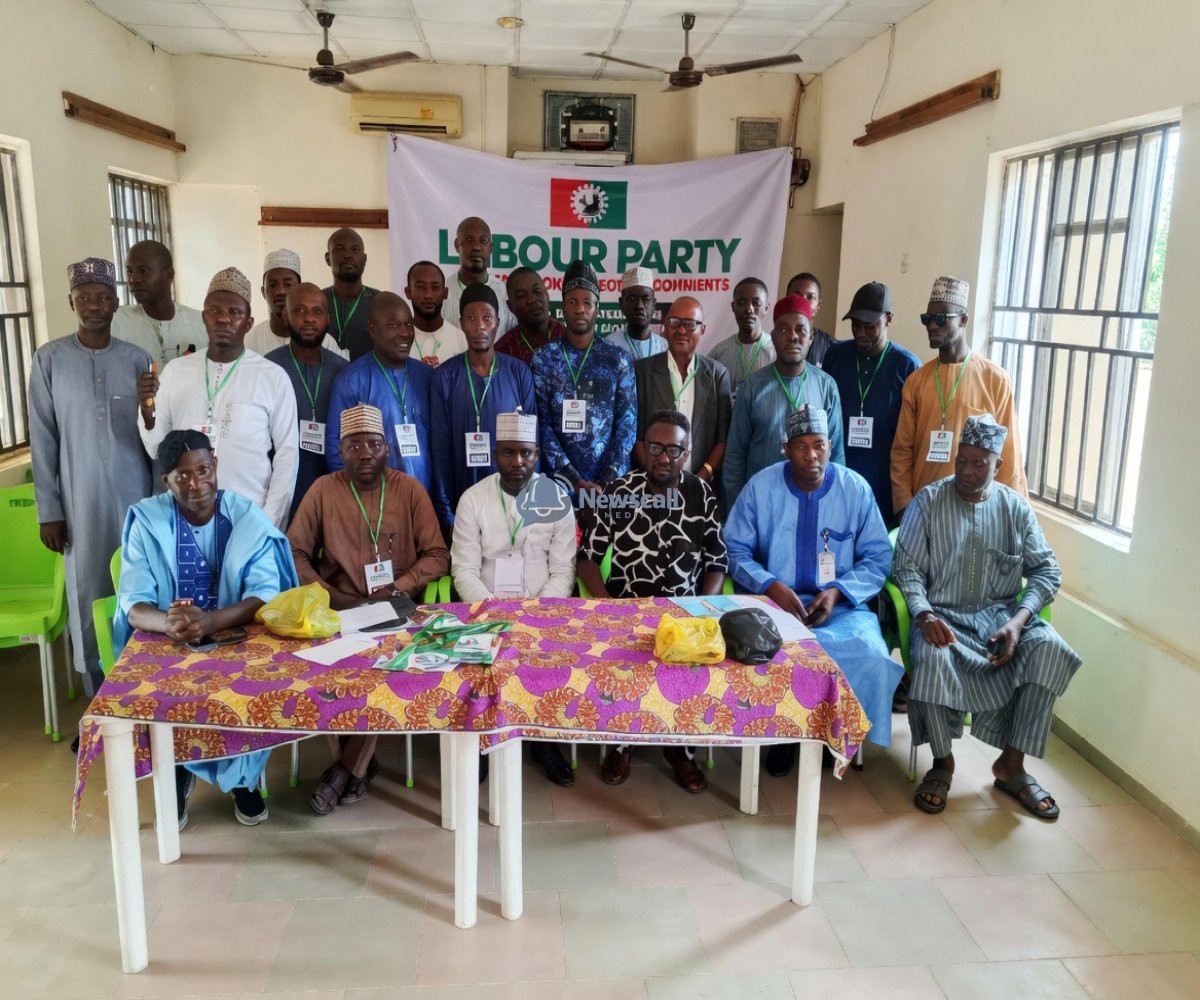
The Women Leader of the All Progressives Congress (APC) in Benue State, Helen Agaigbe, has called on the party to adopt a 50 percent allocation of elective positions for women ahead of the 2027 general elections. The appeal was made during a meeting at the party’s secretariat in Makurdi, where members of the Benue 2027 Female Aspirants Forum formally presented their intentions and sought party support.
Agaigbe proposed a structured framework to enhance women’s political participation within the APC. Her recommendations included allocating two seats in the State House of Assembly per senatorial zone to female aspirants, reserving one House of Representatives slot per zone for women, and ensuring at least one senatorial seat is contested by a woman.
She urged the Benue State APC leadership to formally communicate these demands to Governor Hyacinth Alia for consideration, emphasizing the need for deliberate policies that promote gender inclusivity in elective offices.
In response, the Benue State APC Chairman, Benjamin Omale, encouraged women to actively contest in the upcoming elections, assuring them of the party’s willingness to support credible female candidates. He acknowledged the significant role women play in politics and governance, noting that the current administration under Governor Alia has demonstrated a level of commitment to inclusiveness through key appointments, including the appointment of the state’s first female Secretary to the State Government.
Omale further stated that women’s contributions are essential to the party’s success and advocated for a minimum of 35 percent affirmative participation in the political process. He commended the female aspirants for organizing and pushing for greater representation, describing their demands as necessary for strengthening internal democracy.
The chairman also assured the delegation that their proposals would be forwarded to the governor, whom he described as supportive of inclusive governance.
Earlier, the coordinator of the Benue 2027 Female Aspirants Forum, Blessing Aminde, explained that the visit was aimed at securing the party’s backing. She highlighted the consistent loyalty and electoral contributions of women within the APC, arguing that their track record justifies greater access to elective positions.
The demand for increased female representation in Nigerian politics reflects a broader national and global push for gender equality in governance. Despite women making up a significant portion of the voting population in Nigeria, their representation in elective offices remains relatively low compared to international benchmarks.
Within political parties, affirmative action policies—such as quota systems—are often proposed as mechanisms to address systemic barriers that limit women’s participation. Agaigbe’s call for a 50 percent allocation goes beyond the commonly advocated 35 percent affirmative action benchmark, signaling a more ambitious push for parity.
The APC, as a major political party, plays a crucial role in shaping candidate selection and electoral outcomes. If adopted, such measures in Benue State could influence similar demands in other states and potentially reshape internal party dynamics ahead of the 2027 elections.
Additionally, the discussion aligns with ongoing debates about inclusivity, representation, and the need to broaden political participation across gender lines in Nigeria’s democratic process.
The call by the APC Women Leader in Benue State for a 50 percent allocation of elective positions to women highlights growing demands for gender parity in Nigerian politics. While party leaders have expressed support for increased female participation, the extent to which these proposals will be implemented remains uncertain. As preparations for the 2027 general elections gather momentum, the response of party leadership and stakeholders will be critical in determining whether these demands translate into concrete political opportunities for women.

Nwekwe Esther Amarachukwu
Public speaker,Research-driven writer covering politics and public affairs, committed to accuracy, and meaningful public discourse.