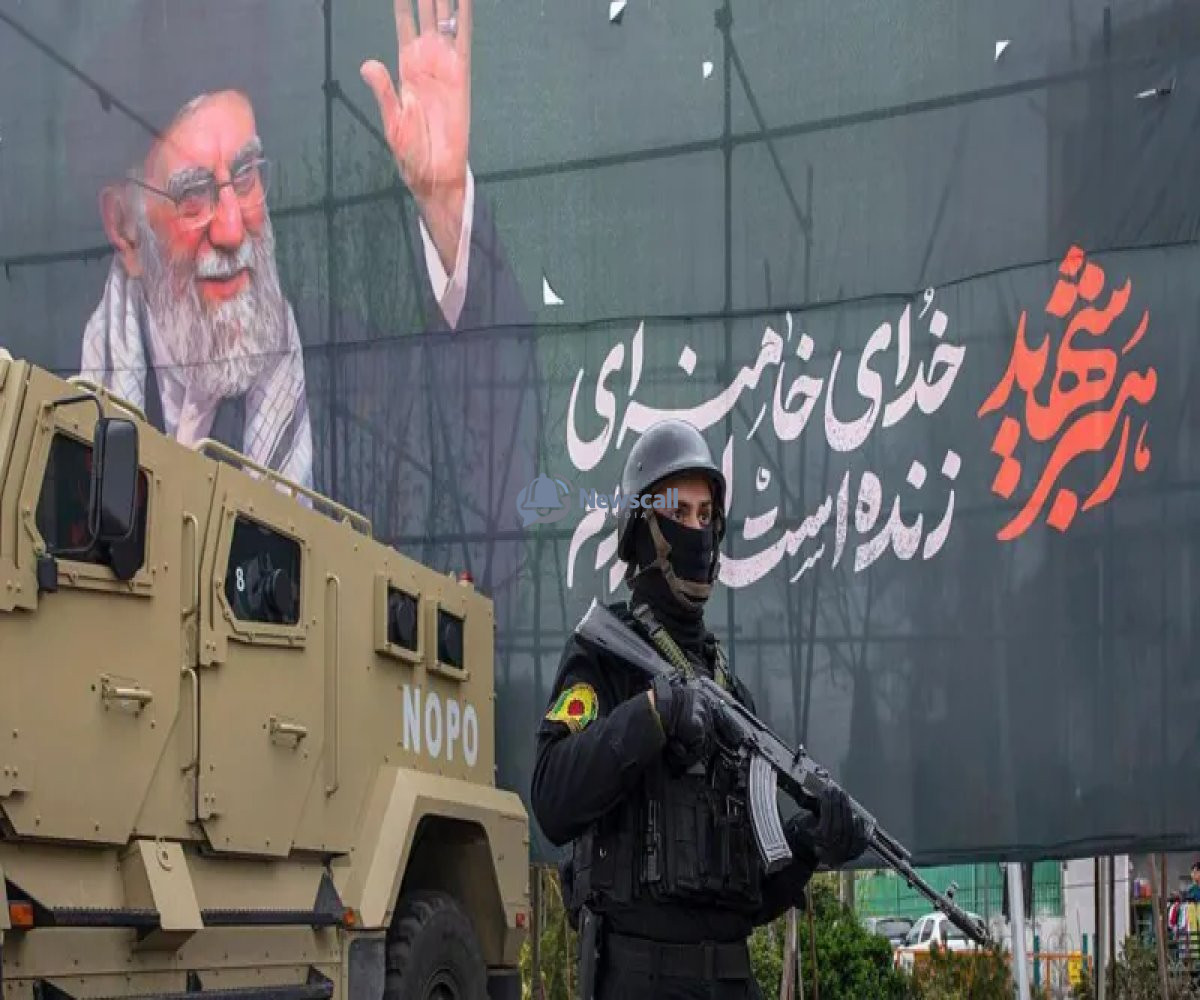


Iran Conflict: Trump Declares “We Hold All the Cards” as Ceasefire Falters
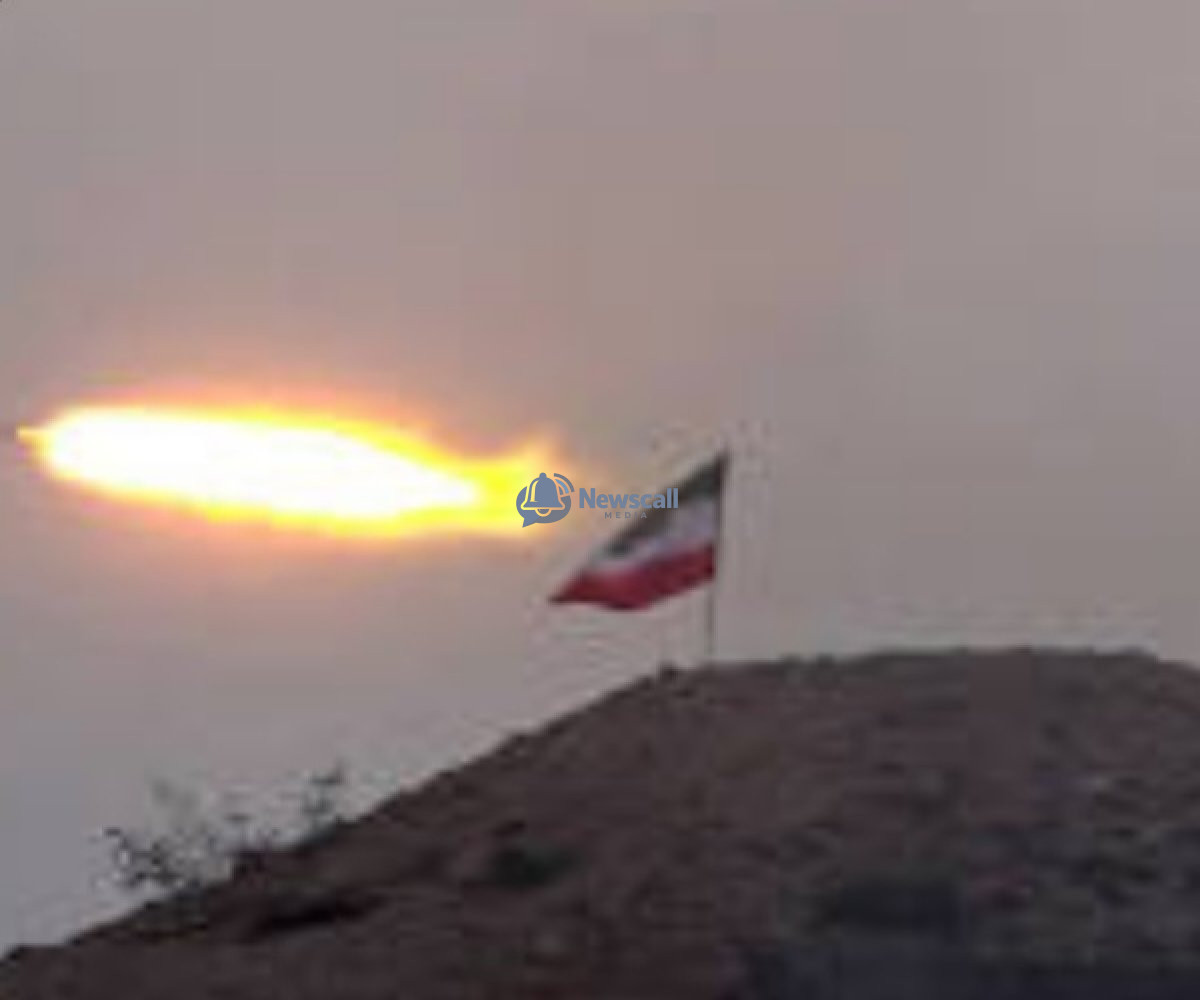
The Iran conflict has reached a critical juncture: a fragile ceasefire is fraying, the Strait of Hormuz remains contested, and President Donald Trump has declared that the United States “holds all the cards,” canceling peace talks in Pakistan while insisting Tehran must bend to Washington’s terms.
The War So Far
- The Iran war erupted on 28 February 2026 when U.S. and Israeli forces launched surprise strikes on Iranian military and government sites, killing senior officials including Supreme Leader Ali Khamenei.
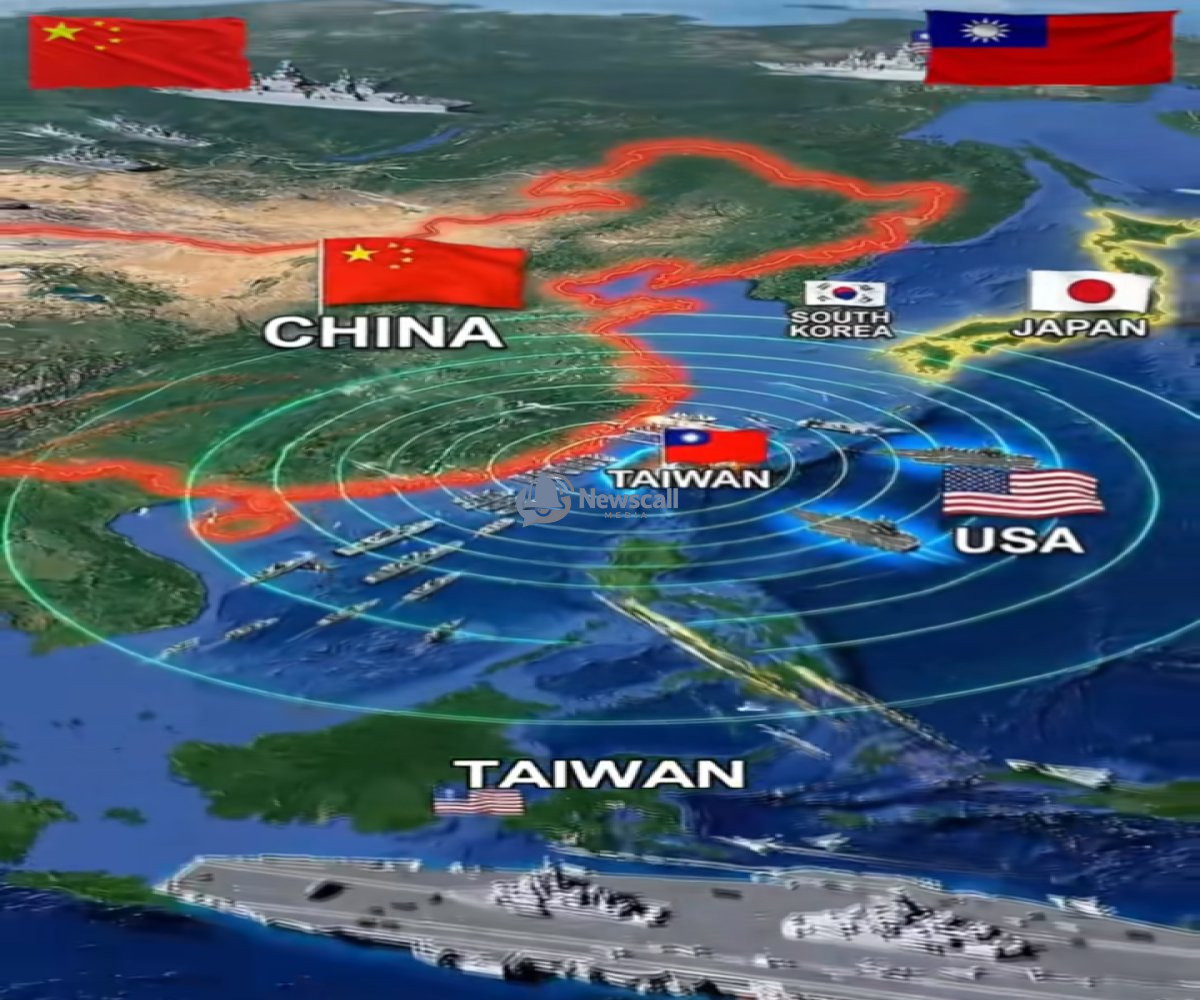
- Iran retaliated with missile and drone attacks on Israel, U.S. bases, and Gulf allies, while closing the Strait of Hormuz, disrupting nearly 20 million barrels of daily oil shipments.
- A temporary ceasefire was brokered earlier in April, but fighting has continued sporadically in Lebanon, Iraq, and the Persian Gulf.
---
Latest Developments (April 26, 2026)
- Talks Collapse: Trump abruptly canceled the trip of envoys Steve Witkoff and Jared Kushner to Islamabad, saying there was “too much time wasted on traveling” and that Iran’s leadership was in disarray. “We have all the cards,” he told reporters before boarding Air Force One.
- Iran’s Response: Foreign Minister Abbas Araghchi left Pakistan for Oman, insisting Tehran would not enter “forced negotiations” while U.S. naval blockades choke Iranian ports.
- Strait of Hormuz: Tensions remain high as Iran briefly reopened the strait, only to fire on two Indian-flagged vessels days later. U.S. Marines seized an Iranian ship, escalating the standoff.
- Global Impact: Oil prices have surged past $105 per barrel, with shipping traffic through Hormuz down by 90%. The International Maritime Organization has condemned both U.S. and Iranian seizures of commercial vessels.
Trump’s Position
- Trump insists the U.S. has already “won everything,” citing the destruction of Iran’s navy and air force in the opening weeks of Operation Epic Fury.
- He argues Iran is crippled by “tremendous infighting” and that Washington can dictate terms: “When they want, they can call me. We have all the cards.”
- Critics, including Hillary Clinton, warn his approach is destabilizing, driving up costs for Americans and risking wider war.
Humanitarian and Strategic Fallout
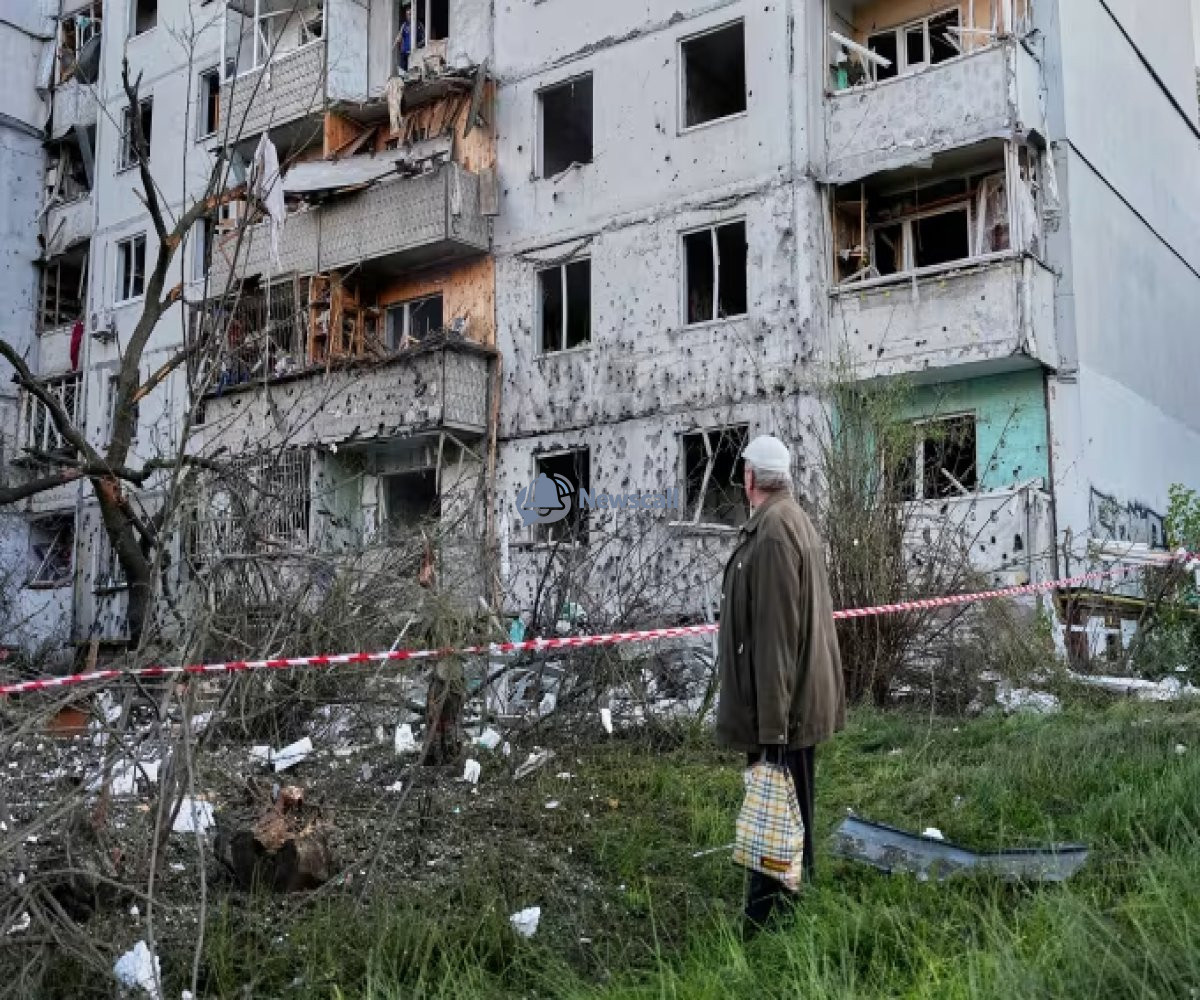
- Iranian civilians face blackouts, food shortages, and economic collapse, with estimates of 3,600+ killed and tens of thousands injured.
- Regional instability is spreading: Hezbollah clashes with Israel in Lebanon, militias strike U.S. assets in Iraq, and Gulf states brace for spillover violence.
- Global markets remain jittery, with energy prices soaring and shipping routes disrupted.
Conclusion
The Iran conflict is now a test of brinkmanship. Trump’s declaration that America “holds all the cards” underscores Washington’s confidence, but also its willingness to gamble with global stability. With diplomacy stalled, Hormuz under siege, and civilians suffering, the world watches anxiously: will this war end at the negotiating table, or spiral into a wider conflagration?

OKORO WILSON EGWU
“Independent journalist delivering sharp, reporting on global conflicts, humanitarian crises, and international diplomacy. Known for transforming complex world events into...