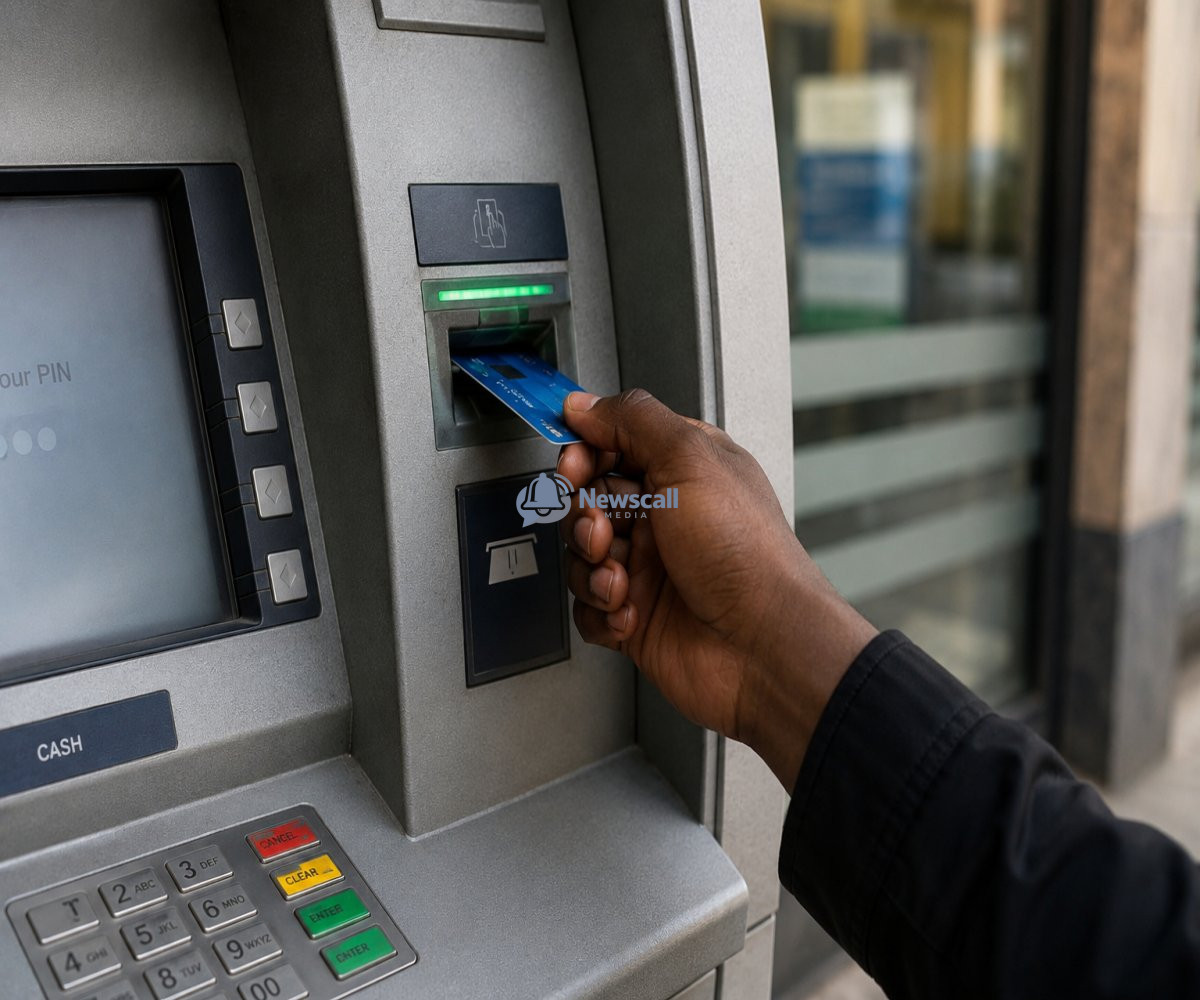


GPS Is More Fragile Than You Think
It has become one of the most trusted technologies in modern life.
You use it to navigate unfamiliar roads.
Pilots rely on it to fly across continents.
Ships depend on it to cross oceans.
Farmers use it to plant crops with remarkable precision.
Emergency services use it to reach people in need.
Even your food deliveries depend on it.
Yet few people realize how vulnerable this invisible system really is.
Most people think of GPS as simply the app on their phone.
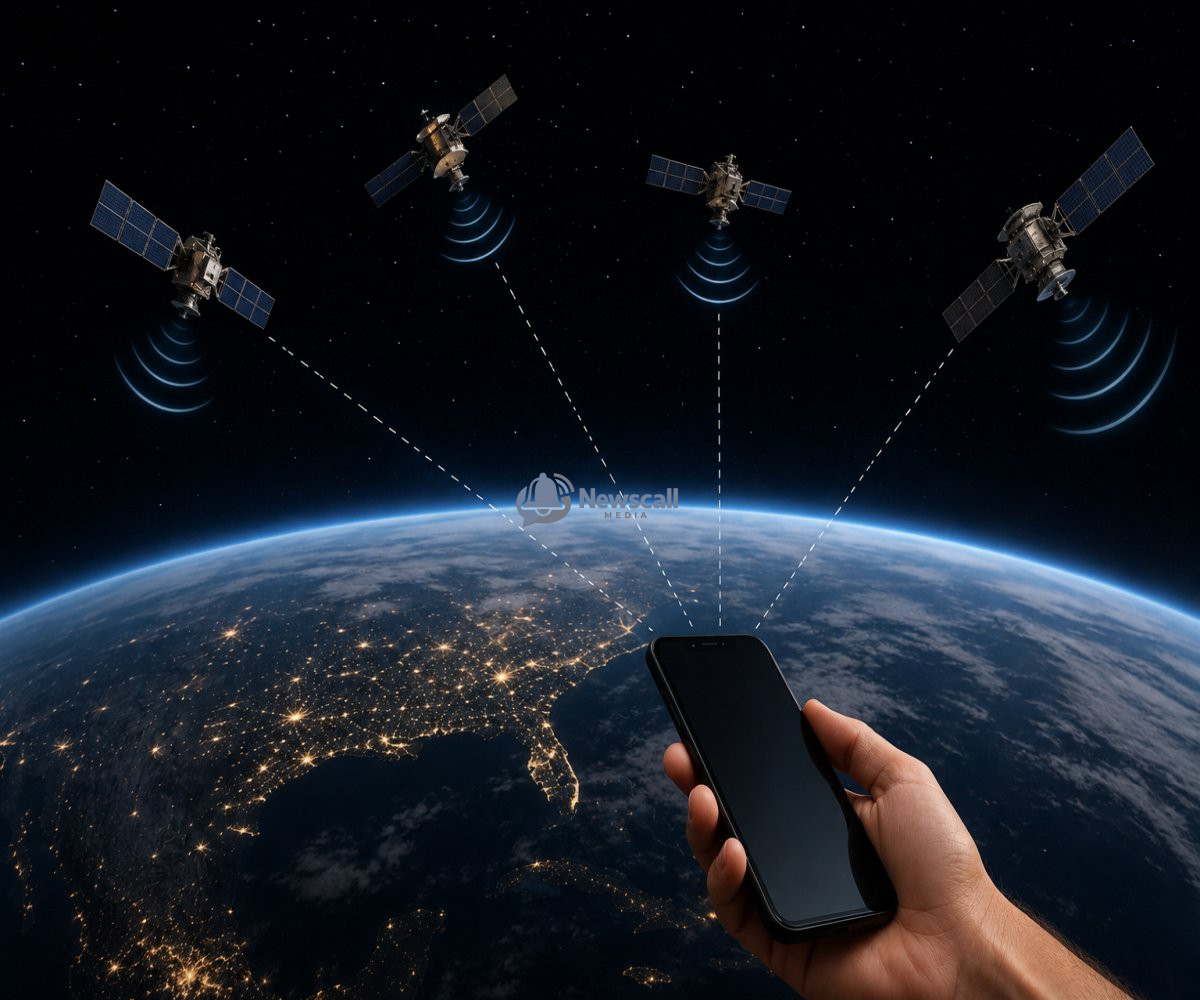
In reality, GPS—or the Global Positioning System—is a vast network of satellites orbiting thousands of kilometers above Earth.
At any given moment, dozens of satellites continuously transmit precise timing signals toward the planet.
Your smartphone doesn't contact Google Maps to determine where you are.
Instead, it listens to these satellites.
By measuring how long each signal takes to arrive, your phone calculates its exact position. It performs this calculation in just a few seconds using incredibly accurate timing.
The technology is astonishing.
But it has one major weakness.
The signals reaching your phone are incredibly weak.
By the time they travel from space to Earth, they are weaker than many everyday radio signals. This makes them surprisingly easy to interfere with.
Even small electronic devices can disrupt GPS signals nearby.
Large solar storms can interfere with satellite communications.
In conflict zones, governments and military forces sometimes jam GPS signals to prevent drones, missiles, or enemy equipment from navigating accurately.
Entire regions can temporarily lose reliable GPS coverage.
There is another growing concern.
Spoofing.
Instead of blocking GPS signals, spoofing sends fake ones.
A receiver believes it is somewhere else entirely.
Ships have reportedly appeared to "move" across maps without actually changing position. Aircraft, drones, and vehicles can also be affected if they rely solely on satellite navigation.
The consequences can be serious.
Modern aviation depends heavily on GPS.
Commercial shipping uses it to navigate busy waterways.
Financial institutions rely on its incredibly precise timing to synchronize transactions.
Mobile phone networks use GPS timing to coordinate communication.
Power grids depend on it to keep electrical systems synchronized.
In other words, GPS does much more than tell you where you are.
It quietly helps keep modern civilization running.
So what happens if GPS becomes unavailable?
Fortunately, engineers have been preparing for that possibility.
Many aircraft combine GPS with onboard navigation systems.
Ships still carry traditional navigation equipment.
Engineers are developing backup positioning technologies that use mobile networks, radio signals, and even the Earth's magnetic field to determine location.
Researchers are also exploring next-generation satellite navigation systems that are more resistant to interference.
The goal is resilience.
As our dependence on satellite navigation grows, building stronger backup systems becomes increasingly important.
Perhaps the biggest lesson is this:
The technologies we use every day often appear effortless because they work so well.
We rarely think about the satellites circling above us, the atomic clocks keeping perfect time, or the engineers maintaining the systems that guide billions of journeys every day.
GPS has quietly transformed transportation, communication, agriculture, finance, and countless other industries.
But like every great engineering achievement, it is not invincible.
Its greatest strength is that it works almost everywhere.
Its greatest weakness is that most of us never imagine a world without it.
The next time your phone instantly tells you where you are, remember that your location depends on tiny signals travelling from space at the speed of light.
And despite powering much of modern life, those signals are far more fragile than most people realize.

Victor Oluebubechukwu Akuma.
Creative writer