
Every ATM Is Connected to a Hidden Global Network
It happens in less than a minute.
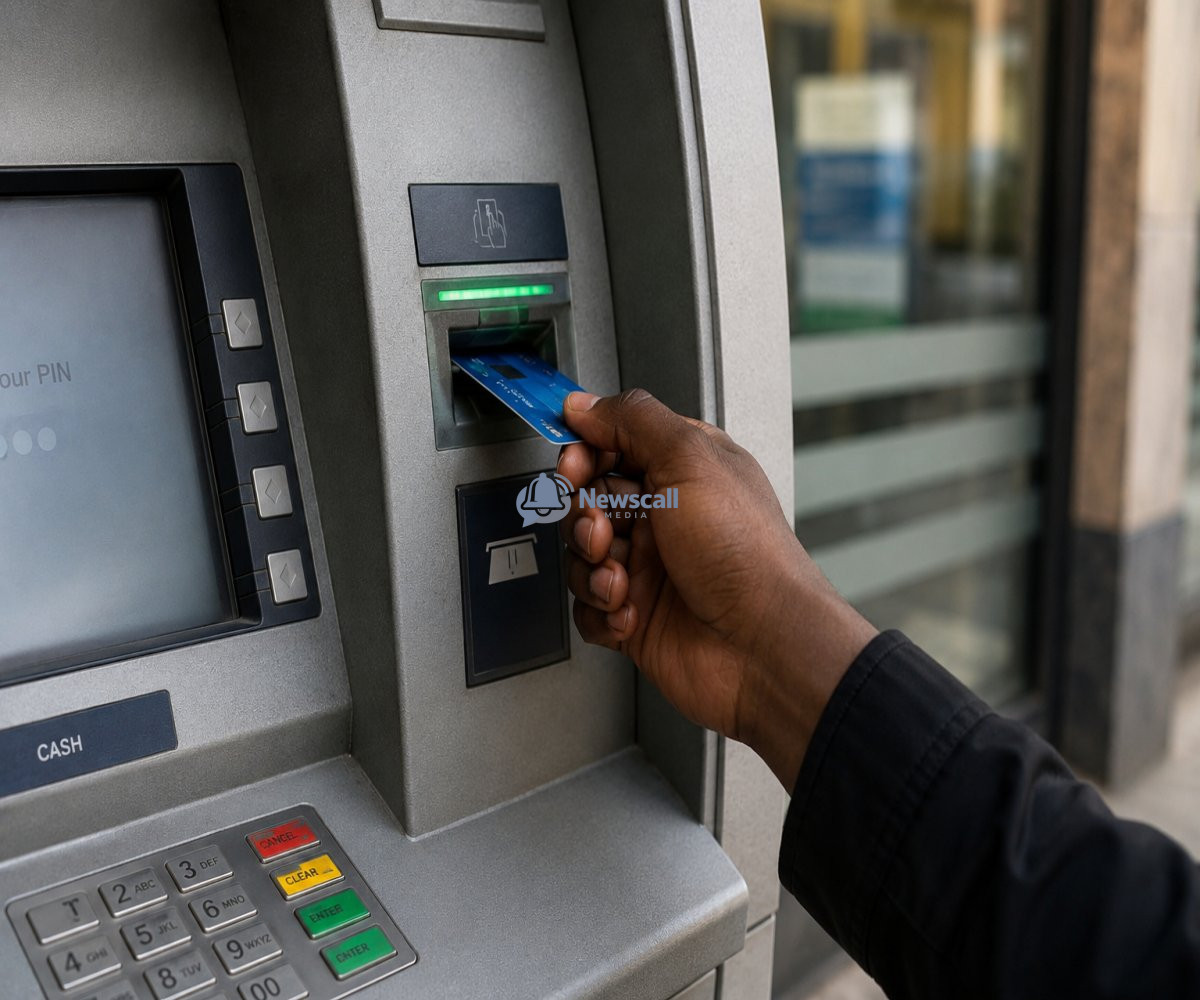
You walk up to an ATM, insert your card, enter your PIN, request cash, and moments later, the machine hands you your money.
It feels simple.
Almost routine.
But behind that everyday transaction is a global network so sophisticated that it processes millions of requests every hour without most people ever noticing.
The ATM standing on your street corner doesn't actually hold information about your bank account.
In fact, it may not even belong to your bank.
Instead, it acts as a gateway into one of the world's largest financial networks.
The moment you insert your card, the ATM begins asking questions.
Is this card genuine?
Is the PIN correct?
Does this account have enough money?
Has the card been reported stolen?
To answer those questions, the machine immediately sends encrypted information through secure communication networks.
The request travels to payment processors and banking networks, which then contact your bank's servers.
All of this happens in just a few seconds.
If everything checks out, your bank sends back an approval.
Only then does the ATM release your cash.
What's remarkable is that this process works almost anywhere in the world.
A traveler from Nigeria can withdraw money in London.
Someone with a bank account in Brazil can access cash in Japan.
An American tourist can use an ATM in South Africa.
Different banks.
Different countries.
Different currencies.
Yet they all communicate through shared financial networks that operate around the clock.
Several global payment systems make this possible.
They connect thousands of banks and millions of ATMs, ensuring that financial information moves securely across continents within seconds.
Security is one of the system's greatest achievements.
Every transaction is encrypted to protect sensitive information while it travels across the network.
Advanced fraud detection systems continuously monitor activity, looking for unusual patterns that could indicate stolen cards or unauthorized transactions.
If something appears suspicious, transactions can be blocked almost instantly.
The ATM itself is also much smarter than it appears.
Modern machines monitor cash levels, detect hardware problems, record every transaction, and communicate with service centers.
Many can even predict when they need maintenance before a failure occurs.
Some now support contactless withdrawals using smartphones instead of physical cards.
Others use biometric authentication, such as fingerprints or facial recognition, adding another layer of security.
Despite the rapid growth of digital payments, ATMs remain an essential part of the global financial system.
They provide access to cash in cities, towns, airports, shopping centers, and even remote communities where digital payment options may be limited.
Without them, millions of people would struggle to access their money.
Perhaps the most fascinating part is how invisible the technology has become.
Most people never think about the thousands of computers, secure data centers, encrypted communication channels, and banking servers working together every time they withdraw cash.
They simply press a few buttons and expect the money to appear.
And almost every time, it does.
The next time you stand in front of an ATM, remember that you are not just using a machine.
You are tapping into a hidden financial network that spans the globe, connects countless banks, protects billions of transactions, and keeps modern commerce moving every single day.
It is one of the greatest technological systems most people use without ever seeing.

Victor Oluebubechukwu Akuma.
Creative writer