
Darkness Falls Across Cuba as U.S. Squeeze Tightens.
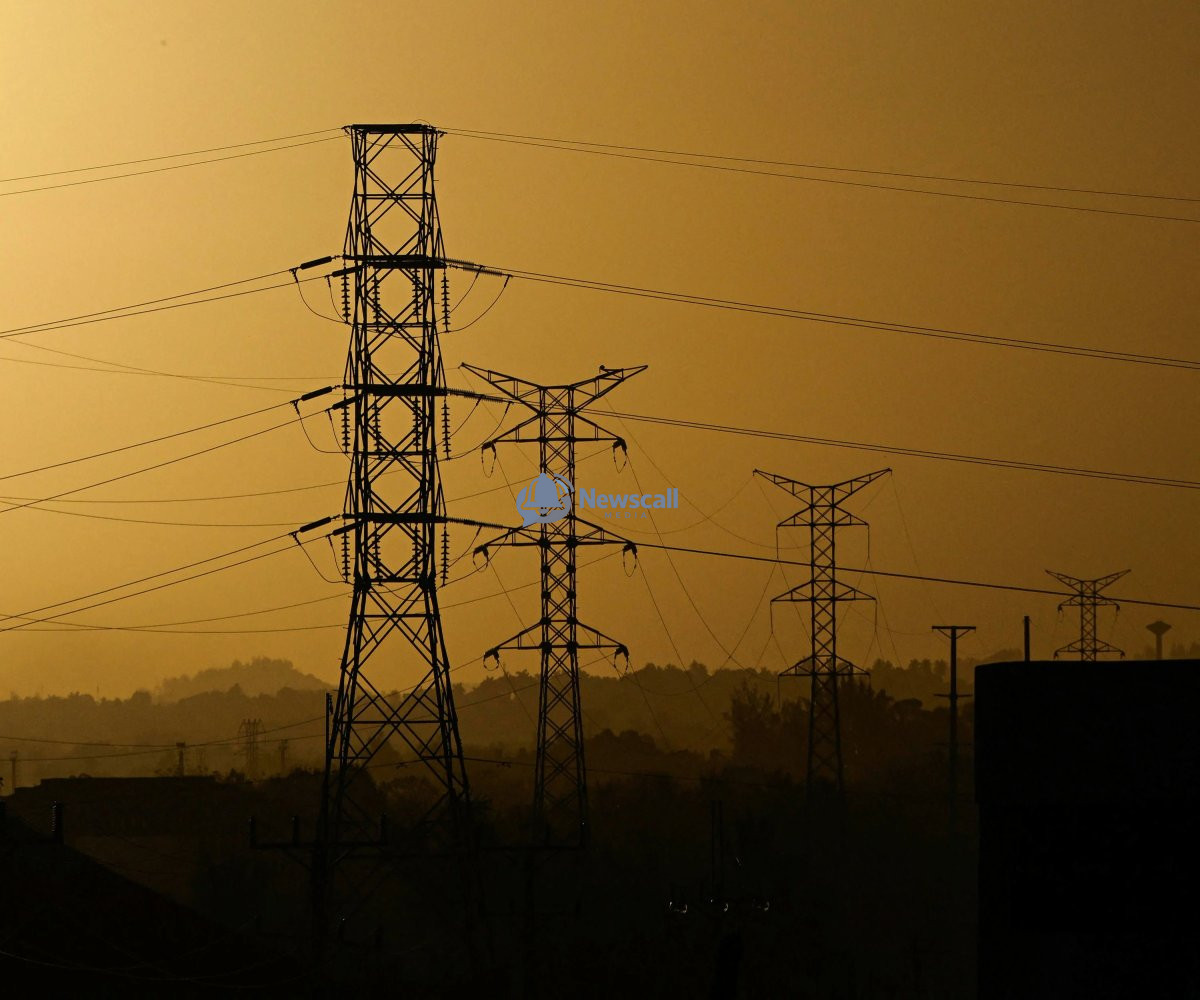
On Monday, Cuba went completely dark. The entire island lost power after its national electrical grid collapsed a breakdown the government says it’s still trying to understand. It’s the latest blow in an energy crisis that’s been building for years, fueled by aging infrastructure and a U.S. policy that’s effectively cut off Cuba’s fuel supply.
Cuban officials are scrambling to bring the lights back on, activating small "microsystems" to keep hospitals and other critical services running. But the situation is dire. This isn’t the first time Cuba has been plunged into total blackout it’s happened several times in recent years, and earlier this year, two nationwide outages hit within a single week.
President Miguel Díaz Canel took to social media to call out Washington, accusing the U.S. of trying to provoke a social explosion by strangling the country’s economy. The U.S., however, says its tough stance is meant to push Cuba toward political openness and foreign investment.
The impact is being felt everywhere schools, transport, and medical care are all strained. New sanctions have also scared off tourists, further shrinking Cuba’s economy. Just last month, Cuba’s parliament approved economic reforms to try and open things up, but U.S. officials dismissed them as little more than symbolic gestures.
Behind the scenes, the two countries have been talking. CIA Director John Ratcliffe met with Cuban intelligence officials in Havana, and U.S. military leaders have held meetings near Guantánamo Bay. But trust is thin Washington accuses Cuba of hosting Russian and Chinese surveillance posts, a claim Havana denies.
When asked about the humanitarian toll, Cuba’s foreign trade minister didn’t hold back. He called the U.S. pressure a form of collective punishment and used a word that carries heavy weight: genocide.
This story is still unfolding, and the world is watching to see if Cuba can pull itself out of the dark and whether the U.S. will change course.
Umeanozie Prosper
Writer, Novelist,blogger, content creator