

647 Missing, 160 Dead as Himalayan Flood Disaster Sweeps Across Nepal-Tibet Border
647 Missing, 160 Dead as Himalayan Flood Disaster Sweeps Across Nepal-Tibet Border.
At least 160 people have been confirmed dead and 647 others reported missing after a sudden and catastrophic surge of floodwater, mud and debris swept through Himalayan valleys along the Nepal-Tibet border, destroying roads and bridges, cutting off communities and leaving hundreds of residents, pilgrims, tourists and security personnel unaccounted for.
The disaster, one of the region’s most devastating recent mountain emergencies, struck with little warning, catching many people in an area crowded with trekkers and religious pilgrims travelling towards some of the Himalayas’ most sacred destinations.
Nepali authorities reported 157 deaths and 391 people missing, including 291 foreign nationals, while Chinese state media reported three deaths and 265 missing people in Tibet. Together, the figures put the reported toll at 160 dead and 647 missing across the two sides of the border.
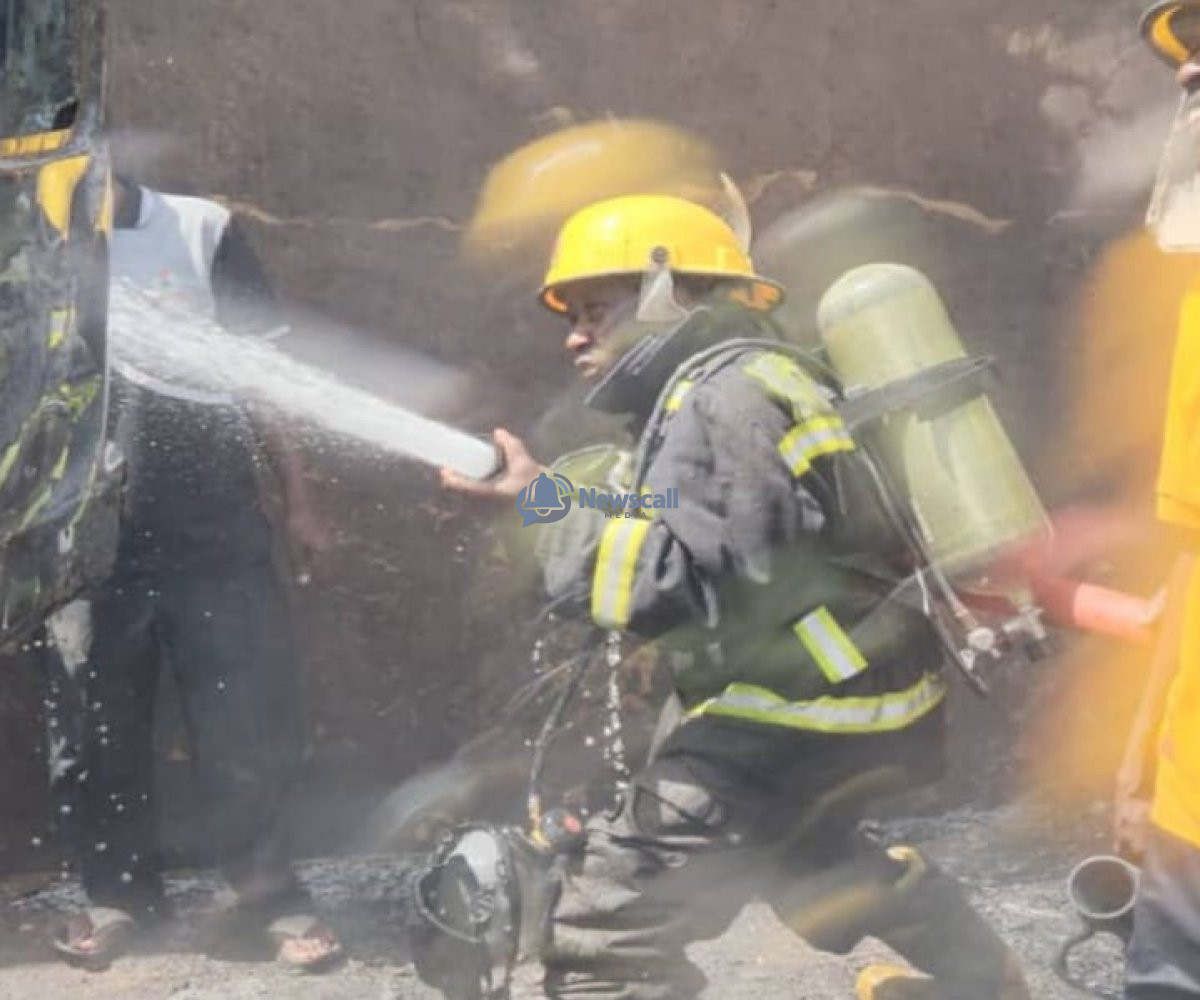
The scale of the disaster has prompted a massive search-and-rescue operation, with Nepalese security agencies deploying helicopters and emergency teams to areas where roads, bridges and other vital infrastructure have been washed away.
Pilgrims, tourists caught in disaster
The tragedy struck along a major Himalayan corridor used by thousands of visitors travelling towards Mount Kailash and Lake Manasarovar in Tibet, sites regarded as sacred by Hindus, Buddhists and Jains.
The same region is also used by Nepali pilgrims travelling towards Gosaikunda Lake, a revered Hindu and Buddhist pilgrimage destination.
As a result, many of those caught in the disaster were pilgrims undertaking religious journeys rather than ordinary tourists.
Hundreds of Kailash-bound travellers were reportedly waiting at border facilities for permission to cross into Tibet when the floodwaters and debris swept through the area.
Among those still unaccounted for are more than 100 Indian nationals, as well as visitors from Britain, the United States, Australia, the Netherlands, Malaysia and South Africa.
The Isha Foundation also said 77 people taking part in its pilgrimage tours were at an immigration centre close to the Nepal-Tibet border when the disaster struck.
The foundation's leader, Sadhguru, said there had been no official information about the whereabouts of those at the immigration facility, while efforts were continuing to locate them.
Mudslide devastates key Tibet border crossing
On the Chinese side, the disaster struck the Gyirong border port, an important crossing connecting Tibet with Nepal.
China's state news agency, Xinhua, reported that 265 people were missing after a mudslide tore through the area.
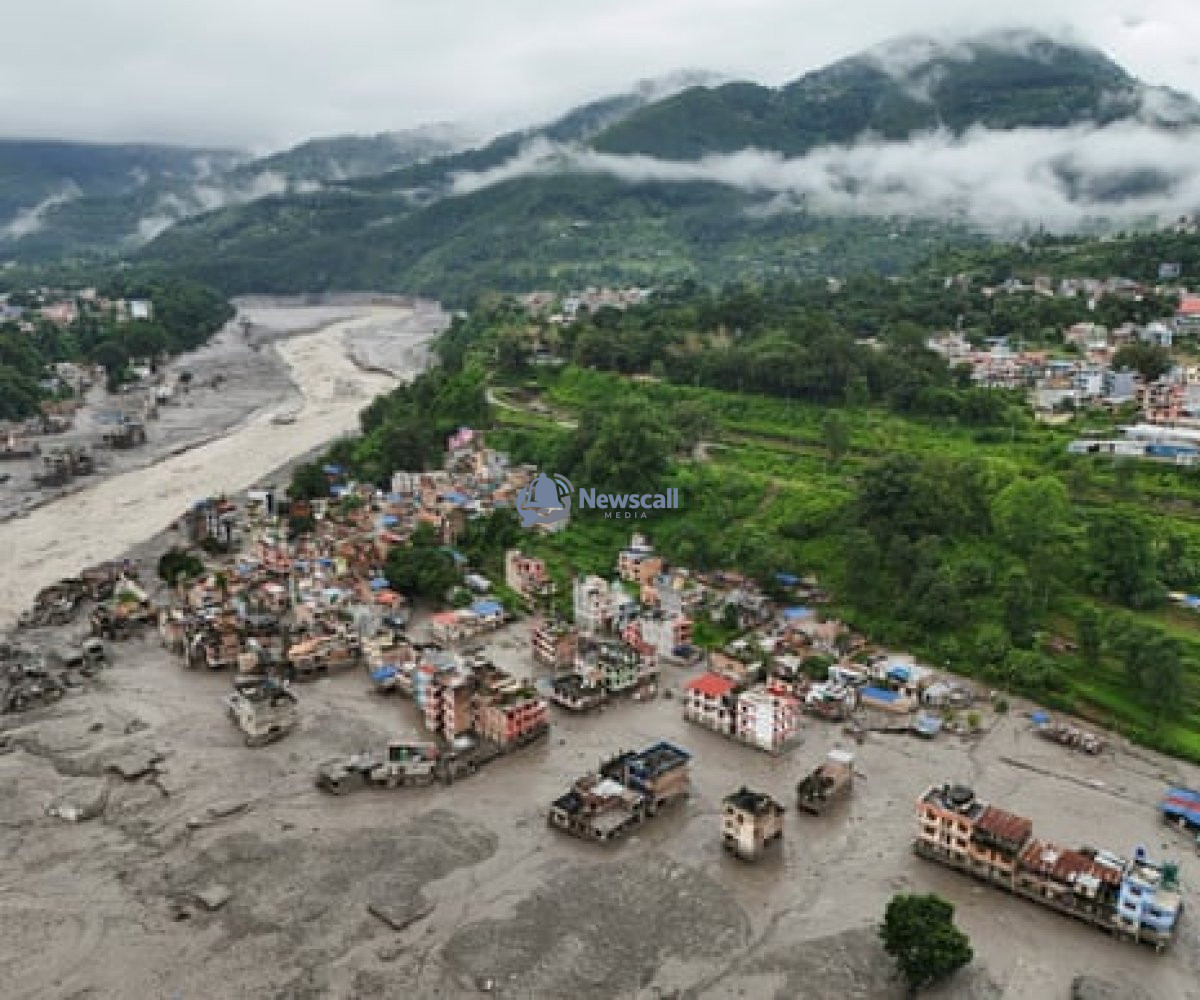
Images released by Chinese state media showed an enormous torrent of muddy water and debris rushing through the border settlement, overwhelming buildings, uprooting trees and destroying or blocking roads.
The destruction has severely disrupted movement across the border and complicated rescue efforts as emergency workers attempt to reach isolated communities.
Nepal's infrastructure badly damaged
The destruction on the Nepalese side has been equally severe.
At least 19 vehicle bridges and approximately 40 kilometres of roads have reportedly been swept away, leaving some communities cut off and making it difficult for rescue teams to reach affected areas.
Schools, hydropower facilities and other infrastructure were also damaged as the powerful floodwaters tore through settlements along rivers and valleys.
With roads destroyed in several locations, helicopters have become a crucial lifeline for transporting rescuers, evacuating survivors and delivering emergency supplies.
The Nepalese Army is leading much of the rescue operation and has deployed 12 helicopters to assist with the response.
At least 114 people have been airlifted to safety, while 25 seriously injured survivors have been flown to Kathmandu for urgent medical treatment.
Scientists investigate unusual cause
The sudden nature of the disaster has left authorities and scientists investigating what triggered such a massive volume of water and debris.
Nepal's Foreign Minister, Shisir Khanal, said preliminary information received by the government suggested that an avalanche had occurred in the affected region.
Scientists examining the incident have similarly indicated that an ice avalanche may have triggered the catastrophic flooding.
The possibility has attracted particular attention because the disaster reportedly occurred without heavy rainfall, making the sudden surge especially difficult to anticipate.
Narendra Pariyar, the chief district officer of Rasuwa, said the absence of rain meant authorities had not expected flooding of such magnitude.
The incident highlights the complex nature of Himalayan disasters, where the sudden collapse of ice, snow, rock or glacial material can displace huge quantities of water and send destructive waves through narrow mountain valleys.
Growing concerns over Himalayan climate risks
The disaster has also renewed concerns about the vulnerability of Himalayan communities to increasingly unpredictable mountain hazards.
While flash floods are often associated with intense rainfall, experts have warned that landslides, glacial melt and the sudden displacement of water can produce equally devastating floods.
Scientists have increasingly examined the impact of a warming climate on the Himalayas, where glaciers are retreating and mountain environments are becoming increasingly unstable.
The latest disaster therefore adds to a growing body of evidence showing how quickly communities living in mountainous regions can be exposed to catastrophic natural hazards.
A race against time
For rescue workers, however, the immediate priority remains finding those still missing.
With 647 people officially unaccounted for across Nepal and Tibet, authorities face a race against time to search damaged settlements, border facilities, roads and river channels for survivors.
The presence of foreign tourists and pilgrims has also increased pressure on authorities to identify missing persons and communicate with families and governments in several countries.
The destruction of roads and bridges is expected to make the operation more difficult, while unstable mountain terrain could pose additional risks to rescuers.
Nepal has experienced repeated deadly floods and landslides in recent years. Severe rainfall in 2024 killed hundreds and caused extensive destruction, including in and around Kathmandu.
But the latest catastrophe is different in both its suddenness and the scale of the cross-border impact.
As rescue teams continue their search through devastated Himalayan valleys, families across Nepal, India, Tibet and several other countries are anxiously waiting for news of their loved ones.
For a region known for its breathtaking mountains and sacred pilgrimage routes, the disaster has transformed a journey of faith and adventure into a desperate struggle for survival.

Anozie Chiemerie Emmanuel
Writer