
5 Brutal Truth No One Told Us About Addiction
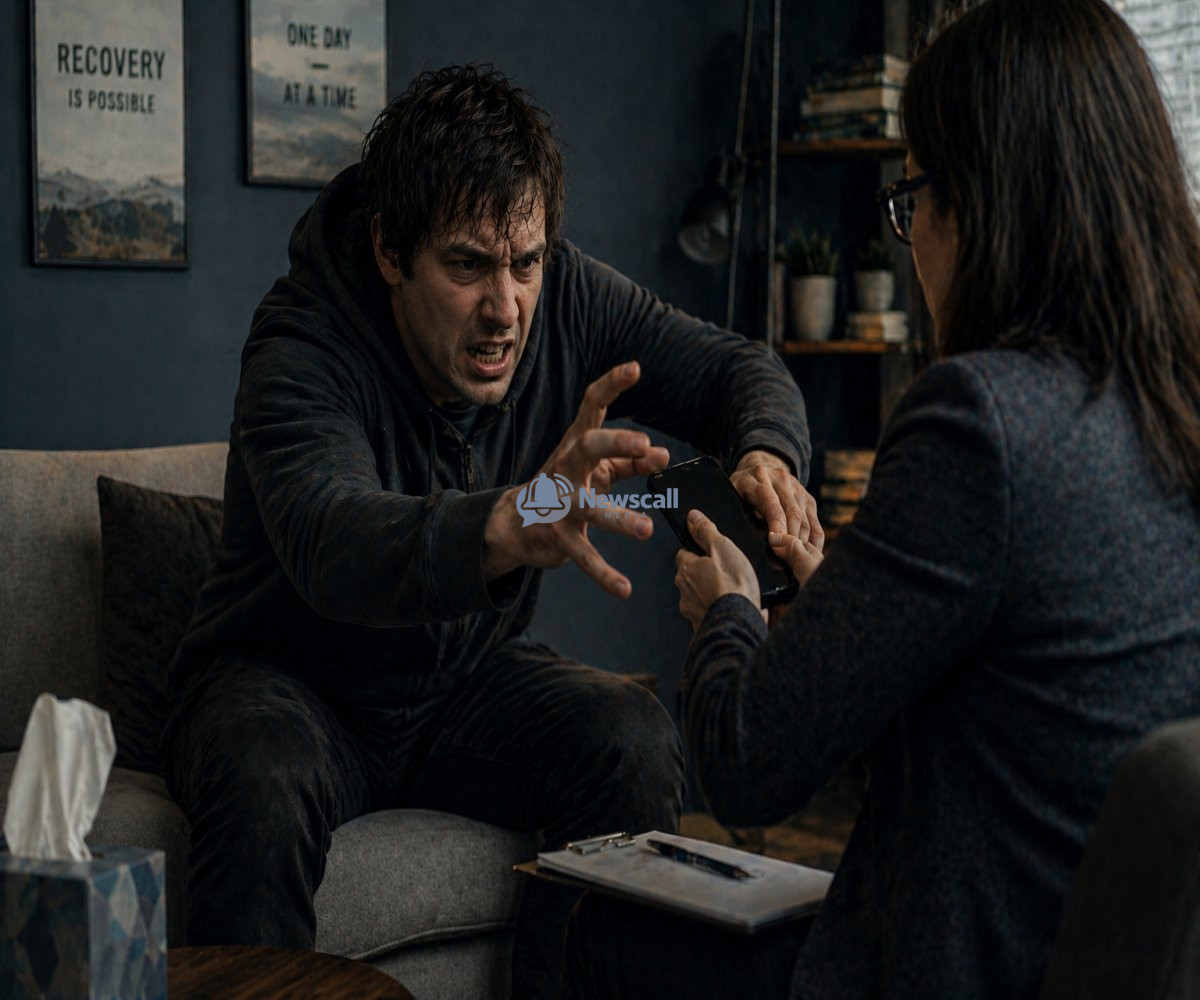
No one grows up dreaming of becoming addicted. It doesn’t show up on vision boards or life plans. You see addiction comes with questions that haunt you: How did I get here? Where did it start? Where did I get it wrong?
How did I let this become me? Yes I know these questions. I once asked myself these exact questions. Most of us just want to give it up but we just can't. You go to therapy and say things like I know I need to stop but I don't know how.
It's disguised as relief, fun, escape, or even routine.
You see this feeling is so familiar but how can we solve a problem if we don't know the source. There are certain things no one told us about addiction. It's scary that there are people out there who don't know they are addicts. You think addicts are just those people we see in the rehabilitation center or those who always have cocaine or cigarettes on their fingers. They don't just include those who carry alcohol around. Addiction is so different from substance or drug abuse.
Addiction don't walk around holding a poster saying “ Hello, I am addiction .” Most times addiction quietly finds its way in—disguised as relief, fun, escape, or even routine. Yes! You heard that right.
Addiction is not what we think it is. Addiction is more than just a “bad habit.” It’s a chronic condition where a person keeps seeking or engaging in something. Whether it’s a substance or an activity despite knowing it’s causing harm. What begins as a voluntary choice can, over time, turn into something that feels almost impossible to control.
I wish I could see the look on your face as you read through the previous line. No one told you right? This isn’t just about drugs or alcohol. Addiction can live in everyday things: your phone, food, validation, gambling, even work. And the scariest part? Most people don’t realize when they’ve crossed the line.
Addiction isn’t just about weak willpower. It’s deeply connected to how the brain works. Especially chemicals like dopamine, which is responsible for pleasure and reward. Every time you do something that feels good, your brain releases dopamine. The problem starts when your brain begins to rely on that one thing as its main source of pleasure. Over time, it rewires itself to crave it more and need it more.What started as a choice slowly becomes a pattern. Then a habit. Then something stronger.
This habit starts with you saying “just once” to sex or “every other person is doing it.” “I deserve it.” These are all excuses. It feels good before it destroys you. If addiction felt bad from the beginning, no one would fall into it.
It starts with pleasure. Relief. Escape. That “high” feeling whether emotional or physical is what pulls people back in. Your brain remembers it, chases it, and starts prioritizing it.
That’s how the trap is set.
It Slowly Takes Away Your Control
At the beginning, you’re in charge.
You decide when to start. When to stop.
But over time, that control begins to slip. The brain adapts, cravings increase, and suddenly it’s not just about wanting—it’s about needing.
“I can stop anytime” becomes something people say… even when they can’t.
Not all addiction looks obvious. You can still go to school, hold a job, laugh with friends and still be struggling. This is what makes it dangerous. It hides in routines: Scrolling for hours every night.
Needing something to feel “normal”.
Relying on a habit to get through the day, and because it feels normal, it’s easy to ignore.
It doesn’t just go away. One of the hardest truths? Addiction isn’t something that simply disappears.
It’s a long-term condition. Even after stopping, the urge can come back. That’s why relapse is common and why recovery takes continuous effort.
There’s no instant fix. No overnight change.
Just consistent, intentional work.

Rosemary Oye-Fubara Diseph.
I write lifestyle stories like 2am voice notes. Dating, budgets, bad days, small wins. No filters. Just words that get...