


What Dangote's Petrol Price Drop Really Means for Nigerians
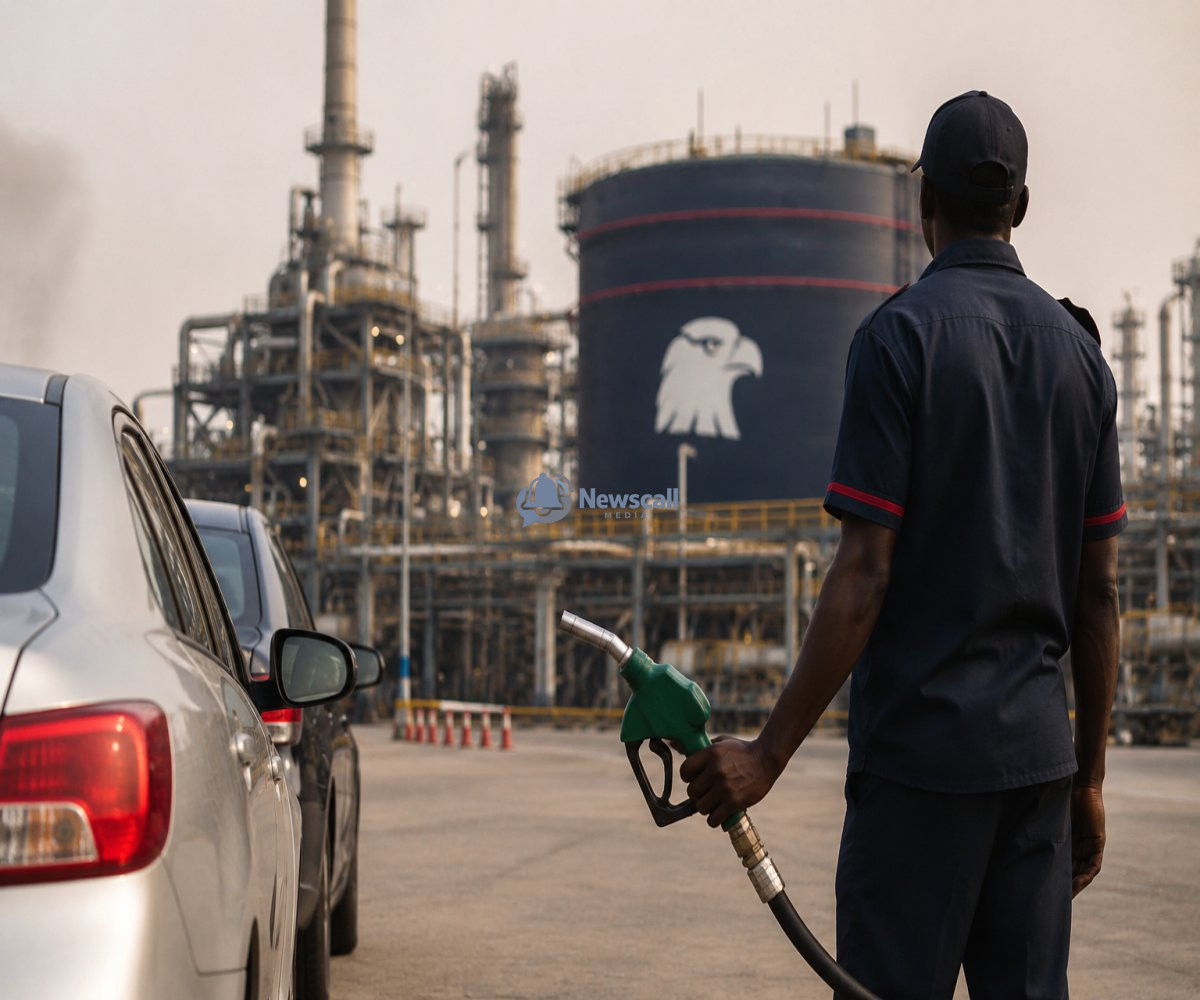
For many Nigerians, few things affect daily life more than the price of petrol.
When petrol becomes more expensive, transportation costs rise.
Food prices often increase.
Businesses spend more to power generators.
And families feel the impact almost immediately.
So whenever petrol prices fall, it's big news.
Recently, the Dangote Refinery announced another reduction in its ex-depot price for Premium Motor Spirit (PMS), commonly known as petrol.
The move has raised an important question.
Why is Dangote cutting prices?
And what does it actually mean for Nigerians?
To answer that, we first need to understand how petrol pricing works.
Contrary to what many people think, petrol prices aren't decided randomly.
Several factors influence them.
One of the biggest is the price of crude oil.
Petrol is refined from crude oil.
When crude oil becomes cheaper in the global market, refineries can often produce petrol at a lower cost.
Another major factor is refining.
Nigeria relied heavily on imported fuel for many years because its state-owned refineries produced very little.
Importing fuel comes with shipping costs, insurance, port charges, and foreign exchange expenses.
All of these increase the final price consumers pay.
The Dangote Refinery changes part of that equation.
By refining crude oil within Nigeria, many import-related costs can be reduced.
That creates room for lower prices, especially when global crude prices are also favorable.
But there's another term many people heard during the announcement.
Ex-depot price.
What does it mean?
The ex-depot price is the amount fuel marketers pay when buying petrol directly from the refinery.
It is not the final pump price you see at filling stations.
After marketers purchase fuel, they still have to transport it across the country, pay operating costs, and cover business expenses before selling it to motorists.
That's why petrol prices at different filling stations may not change immediately after the refinery announces a price reduction.
Over time, however, lower ex-depot prices can lead to lower pump prices if market conditions remain stable.
The latest reduction also highlights something bigger.
Competition.
For years, Nigeria depended largely on imported fuel.
Now, local refining is beginning to reshape the market.
As more locally refined fuel becomes available, competition could encourage more competitive pricing and reduce dependence on imports.
That's good news for consumers.
Of course, petrol prices won't always move in one direction.
If global crude oil prices rise sharply, production costs increase, or the value of the naira weakens significantly, fuel prices could rise again.
Energy markets are influenced by events happening all over the world.
Still, every reduction matters.
Lower fuel prices can ease transportation costs.
Businesses may spend less on logistics and generators.
Manufacturers could reduce operating expenses.
While the effects may not be immediate, they have the potential to ripple across the economy.
Perhaps the biggest lesson is this.
Petrol prices are about more than fuel.
They reflect global oil markets, local refining capacity, exchange rates, transportation costs, and economic policy.
Understanding these factors helps us see that every price change tells a much bigger story.
Dangote's latest price reduction isn't just another business announcement.
It's another sign that Nigeria's energy landscape is changing.
Whether those changes lead to long-term price stability will depend on many factors.
But one thing is clear.
The more Nigeria refines its own fuel, the greater its opportunity to shape its own energy future.

Victor Oluebubechukwu Akuma.
Creative writer