


UNDERSTANDING FEMINISM: WHY TWO FEMINISTS CAN DISAGREE AND STILL BE RIGHT
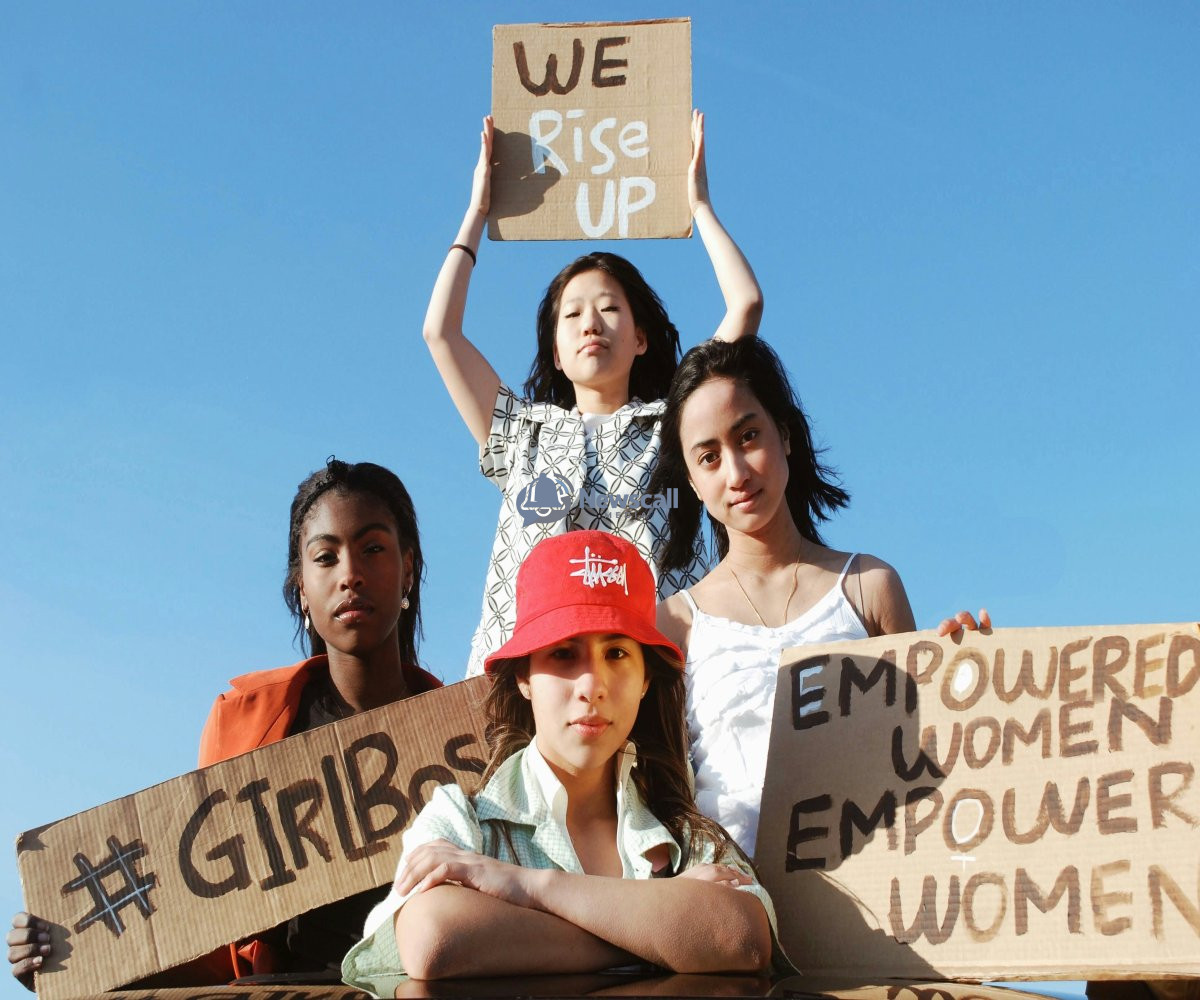
A lot of people talk about feminism without really understanding what it means.
Some think it’s about fighting men.
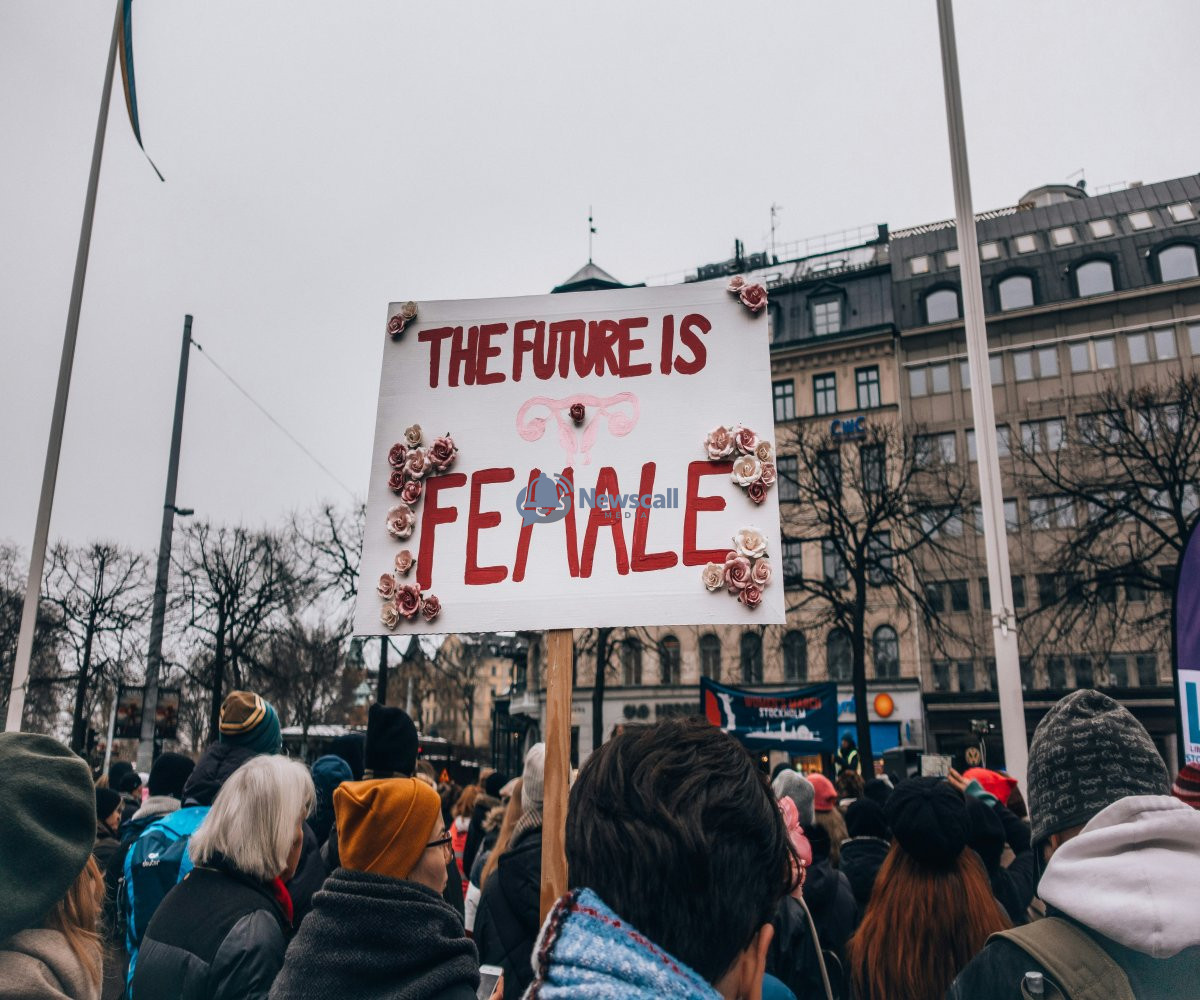
But feminism, in its simplest form, is about recognizing that women deserve equal value, voice, and opportunity in society. E.g
In Nigeria, this shows up in everyday life:
a girl being allowed to go to school
a woman being respected in her workplace
a young lady being encouraged to build her life, not just prepare for marriage
Chimamanda Ngozi Adichie says:
“We should all be feminists."
Why Two Feminists Can Disagree and Still Be Right
Feminism is not one straight line. It's a very broad topic that people really don't talk about.
People experience life differently, so they approach feminism differently.
For instance,
A university student may focus on equal education,
A market woman may focus on financial independence,
A working-class woman may focus on respect at work etc .
They are not wrong — they are just speaking from different realities.
“There is no single feminism… there are multiple feminisms.” by Judith Butler
And Angela Davis reminds us:
“Feminism involves so much more than gender equality.”
So disagreement doesn’t mean confusion.
It means feminism is broad.
Different Types of Feminism and What They Mean
Now let’s break it down properly — what each type actually means, and how it shows up in our everyday life.
1. Radical Feminism
Radical feminism focuses on the root causes of gender inequality. It questions deep cultural beliefs, traditions, and systems that place women at a disadvantage.
It’s not just about surface-level change — it’s about changing how society thinks about women completely.
E.g
In our society today, women are told to:
“endure no matter what in marriage”
“a man is the head, don’t question him”
And when she challenges these beliefs, that's radical feminism in action.
2. Liberal Feminism
Liberal feminism focuses on equality
It believes women should have the same:
rights, opportunities, access,
as men.
E.g
A girl in Aba being encouraged to:
go to school, learn a skill,start a business etc...
instead of being limited because she is a girl — that is liberal feminism.
3. Marxist Feminism
A Marxist feminism, this type of Feminism focuses on how money, class, and economic systems affect women’s lives.
It believes that many women are oppressed because they are financially dependent.one of the examples is a woman who stays in a toxic relationship because:
she has no income,
she depends on her partner for survival
This is not just a personal issue — it’s an economic one.
That’s what Marxist feminism addresses.
4. Black Feminism / Womanism
This focuses on how race and gender work together to shape a woman’s experience.
Writer Alice Walker introduced womanism to highlight the specific struggles of Black women.
Example: A Nigerian woman facing;
gender expectations, cultural pressure
and sometimes global stereotypes about African women.
This is a layered experience.
5. Cultural Feminism
Cultural feminism focuses on valuing and celebrating women — their identity, roles, and contributions.
It’s about giving women a voice and recognizing their importance. E.g
In a family where only men speak during important decisions,
when women are encouraged to speak and be heard —
that is cultural feminism in action.
6. Eco-feminism
its meaning;
Ecofeminism connects the treatment of women with the treatment of the environment.
It promotes care, balance, and protection — not domination.
Ex.
In rural Nigerian communities, many women depend on:
farming, natural resources
When they advocate for both environmental protection and women’s welfare,
they are practicing ecofeminism — even if they don’t call it that.
What This Means for Me Personally
My feminism is not about condemning men.
It’s not about proving that women are better.
It’s about:
women knowing their worth
women being educated
women building their lives
women having a voice
And at the same time, I believe men should be heard too.
Because real growth is not one-sided.
Conclusion
Women deserve the space to grow, to be valued, and to be heard — without it turning into a battle of who is better.
References
Chimamanda Ngozi Adichie — We Should All Be Feminists
bell hooks — Feminism Is for Everybody
Judith Butler
Angela Davis
Alice Walker

Johnson Amarachi
Hello, i'a Admin