

Tinubu Raises Alarm Over Debt Burden, Calls for Fairer Global Financial System
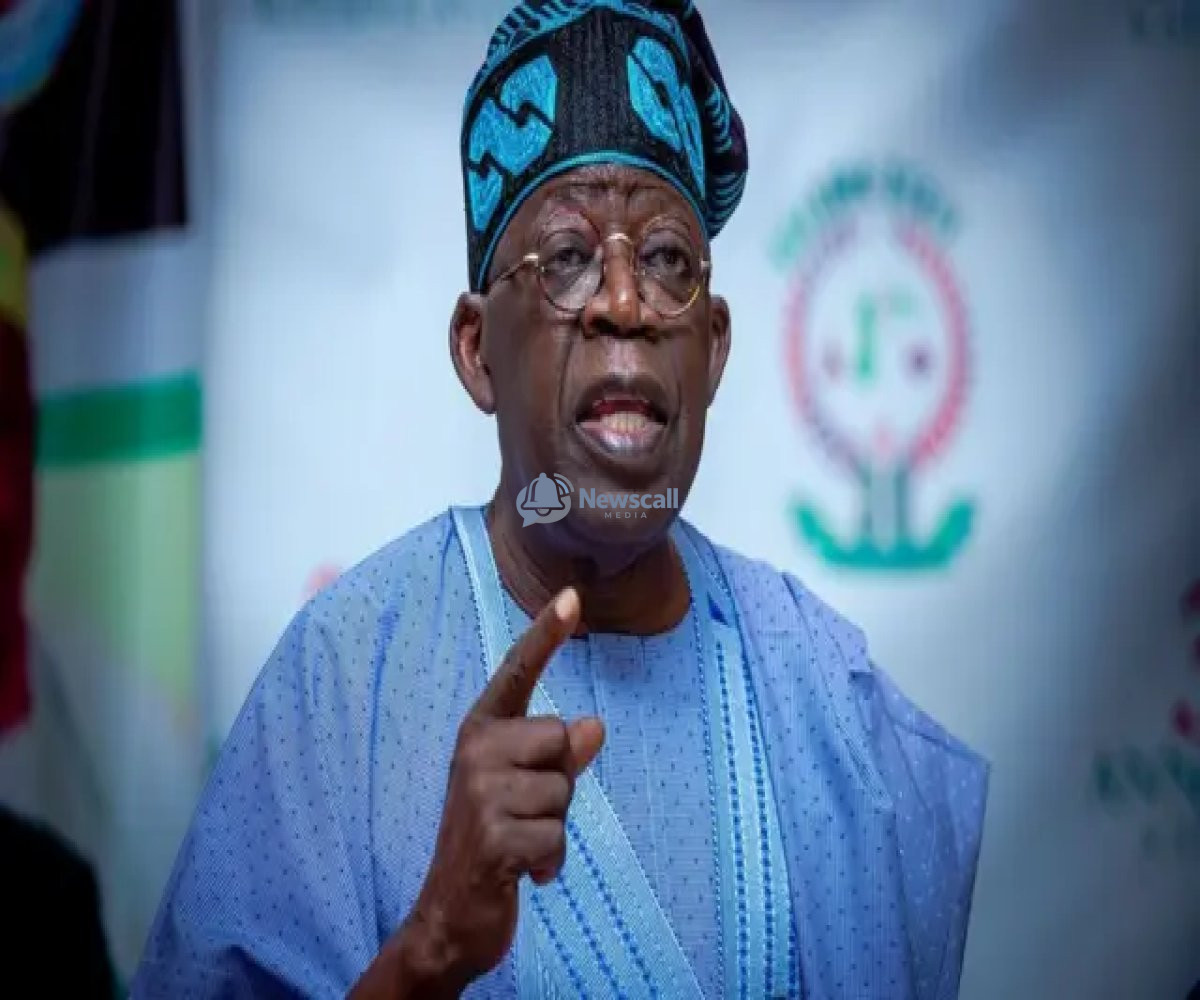
President Bola Tinubu has raised concerns over the growing debt burden facing developing economies, calling for a more equitable global financial system that better supports long-term growth in Africa and other emerging regions.
Speaking at an international economic forum in Nairobi, Kenya, Tinubu said current global financial structures place significant pressure on countries already struggling with limited fiscal space, as rising debt servicing obligations continue to restrict investment in critical sectors.
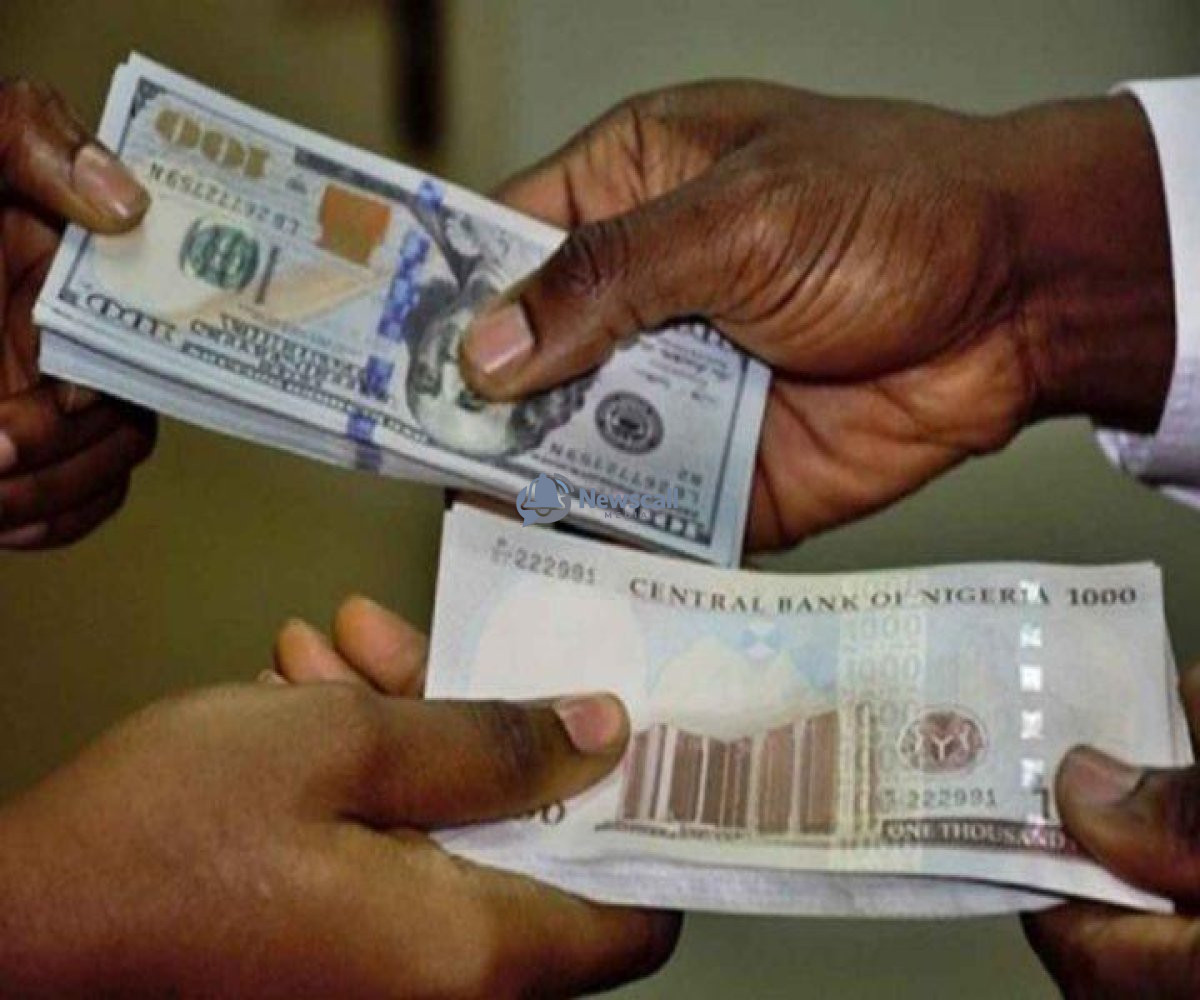
According to projections referenced in fiscal discussions, Nigeria is expected to spend about $11.6 billion on debt servicing in 2026, a figure that underscores growing concerns about fiscal sustainability and revenue pressure. Analysts warn that this trend continues to limit fiscal flexibility and development spending, particularly in infrastructure, healthcare, education, and job creation.
He noted that Nigeria, like many other African economies, is facing increasing fiscal constraints driven by high borrowing costs and unfavourable global lending conditions. Tinubu warned that without meaningful reform, the situation could further slow economic growth and deepen inequality between advanced and developing economies.
The President therefore called for a fairer and more balanced international financial architecture that would provide easier access to affordable long-term financing for developing countries. He stressed that such reforms are necessary to support industrialisation, economic stability, and sustainable development across Africa.
Tinubu also highlighted ongoing domestic reforms aimed at stabilising Nigeria’s economy, but maintained that internal efforts alone would not be sufficient without corresponding changes at the global level.
The remarks were delivered during discussions involving African leaders, international financial institutions, and development partners, where calls for restructuring global finance systems featured prominently.
He concluded by urging stronger global cooperation to ensure that the financial system works not just for advanced economies, but for all nations seeking development and economic resilience.

Victor Oluebubechukwu Akuma.
Creative writer