

They didn’t wait for global attention. Nigerian founders built until the world couldn’t ignore them
For years, the global startup spotlight followed a predictable path.
Silicon Valley.
New York.
Parts of Europe.
That’s where the biggest stories came from, where funding flowed easily, and where recognition often began.
But that pattern is starting to shift.
A growing number of Nigerian founders are now being recognized globally — not as emerging players, but as builders of companies shaping entire industries. Behind that recognition are real companies, real impact, and years of work that is only now becoming visible.
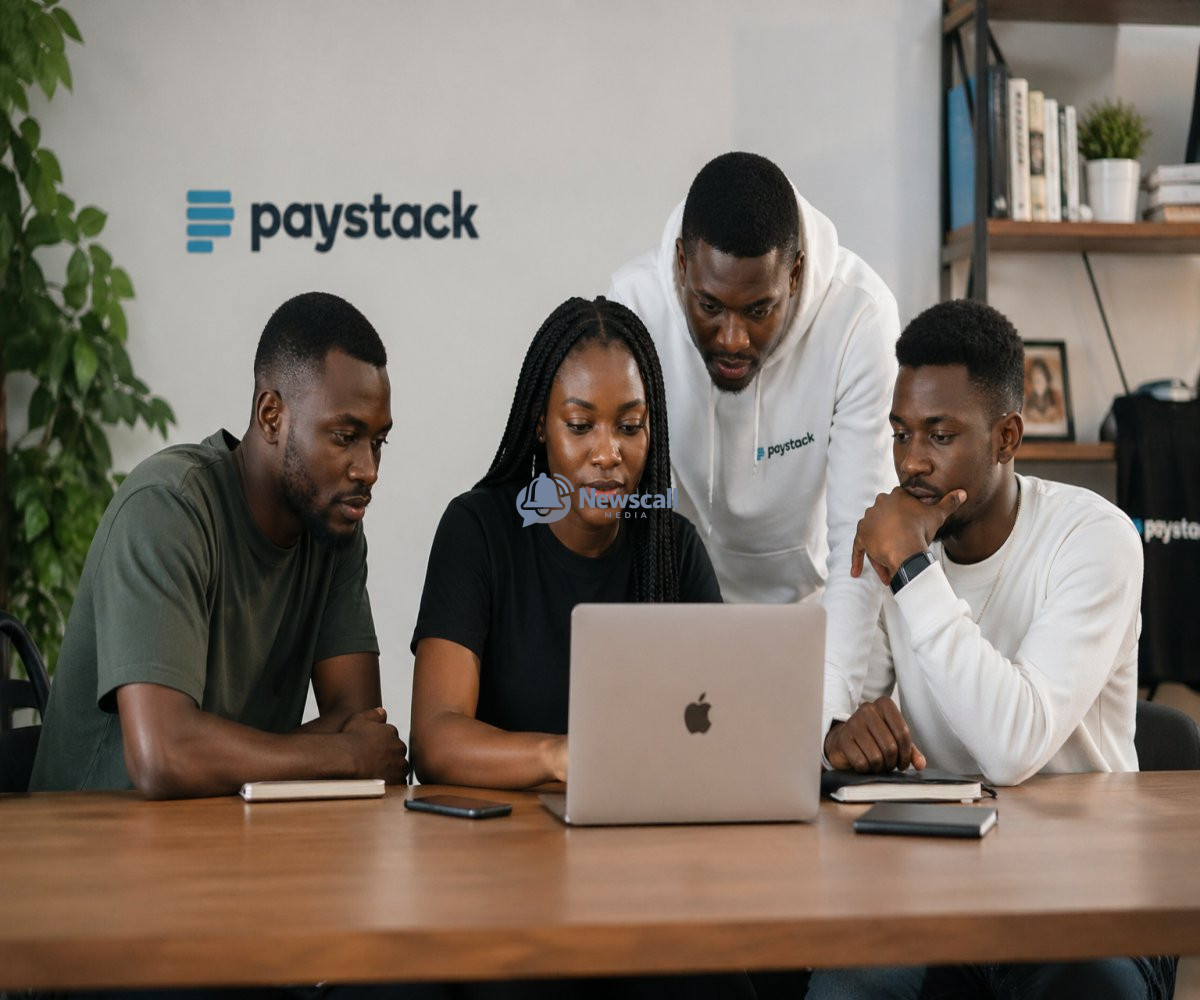
Take Shola Akinlade, co-founder of Paystack.
What began in 2015 as a solution to Nigeria’s broken online payment systems has grown into one of Africa’s most important fintech platforms. Paystack made it easier for businesses to accept payments digitally — something that was once difficult and unreliable.
The company didn’t just grow.
It reshaped how money moves across Nigeria’s digital economy.
Today, Paystack processes transactions for hundreds of thousands of businesses and was acquired by Stripe in a deal worth about $200 million — one of the largest startup exits in Africa.
But the impact goes further.
Under Akinlade’s leadership, Paystack is now expanding into banking services, using data from transactions to help small businesses access financing — addressing a gap estimated at $32 billion.
That’s not just growth.
That’s influence.
Then there is Temie Giwa-Tubosun, founder of LifeBank.
Her company operates in a completely different space — healthcare — but with the same focus on solving real problems.
LifeBank was created to tackle one of Nigeria’s most urgent challenges: access to blood and essential medical supplies. Using technology and logistics, the company connects blood banks to hospitals and delivers life-saving supplies quickly, especially in emergencies.
What started as a small initiative has grown into a system that has saved thousands of lives.
Her work has gained international recognition, including global awards and acknowledgment from major global figures, highlighting the real-world impact of what she built.
These founders are not succeeding because the environment is easy.
They are succeeding despite it.
Limited infrastructure, funding gaps, and operational challenges have forced Nigerian founders to build differently — to focus on solutions that are practical, scalable, and deeply rooted in real needs.
That difference is now becoming visible to the rest of the world.
Organizations like Endeavor are increasingly recognizing Nigerian founders among high-impact entrepreneurs, connecting them to global networks and opportunities that were once harder to access.
And with that visibility comes a shift in perception.
African startups are no longer seen as early-stage by default.
They are being seen for what they are becoming — competitive, scalable, and globally relevant.
Investors are paying closer attention.
Partnerships are expanding.
And founders themselves are thinking beyond borders.
But perhaps the most important change is this:
The next generation of Nigerian founders is no longer building in isolation.
They now have examples.
Proof that global recognition is possible.
Proof that companies built locally can compete globally.
And proof that the spotlight, once distant, is now within reach.
This moment is not about hype.
It is about recognition catching up to reality.

Victor Oluebubechukwu Akuma.
Creative writer