

The Metal That Built the Modern World
Walk through any modern city and look up.
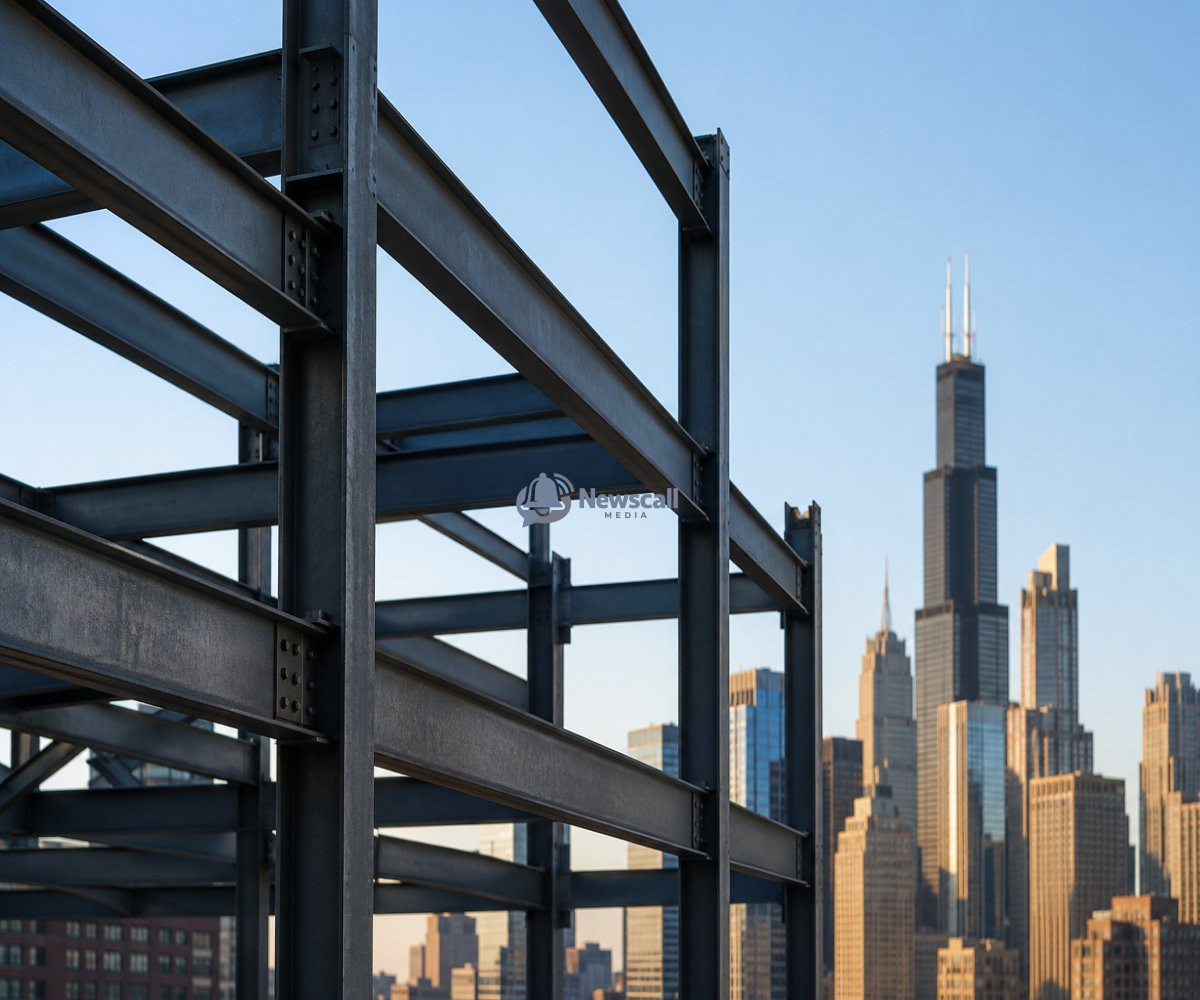
Towering skyscrapers stretch toward the clouds.
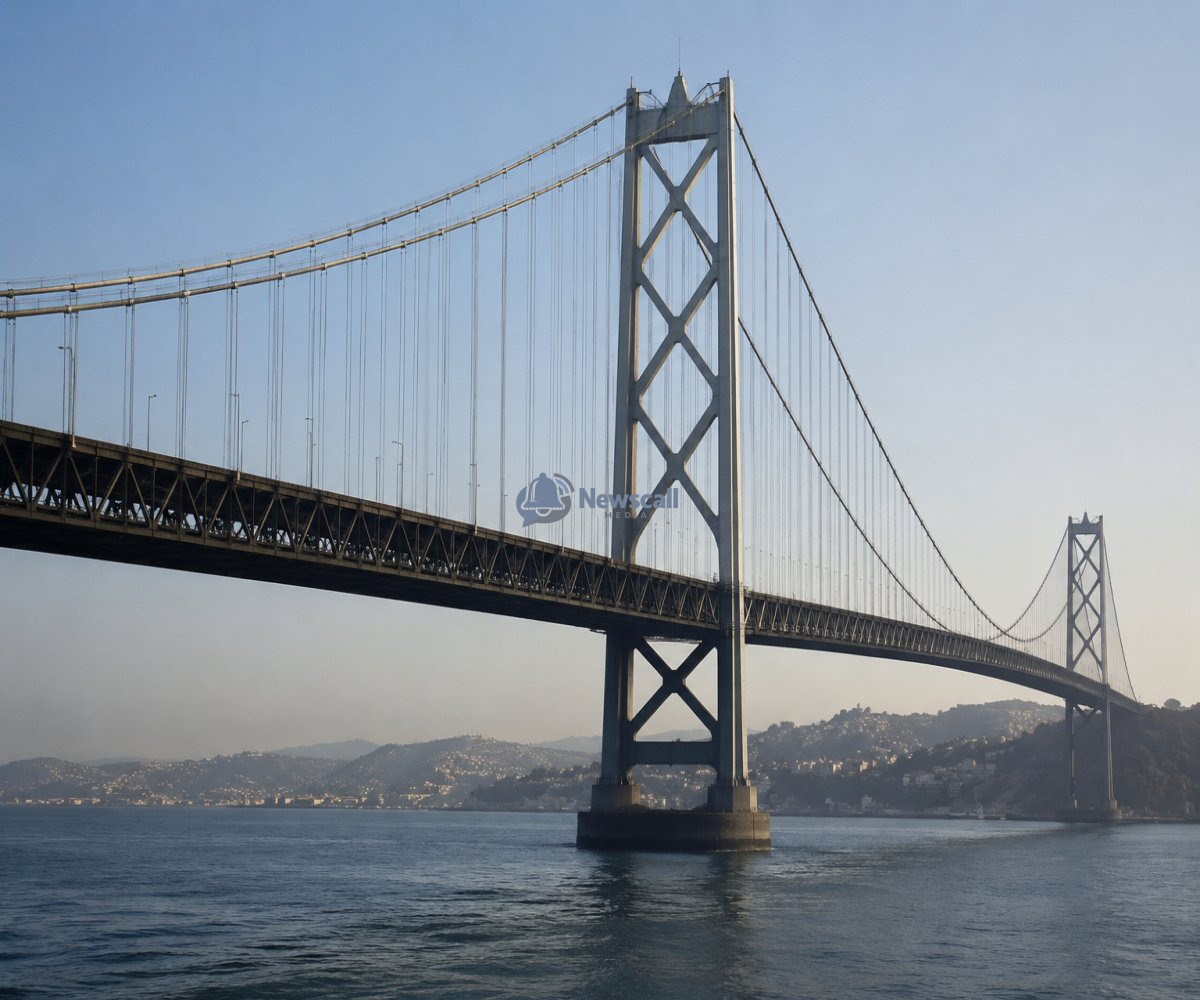
Bridges carry millions of vehicles every day.
Railway tracks connect entire nations.
Ships cross oceans carrying the world's goods.
Factories produce the products we rely on.
At first glance, these achievements seem completely different.
But they all have one thing in common.
Steel.
It is everywhere.
Yet because it is everywhere, we rarely stop to appreciate it.
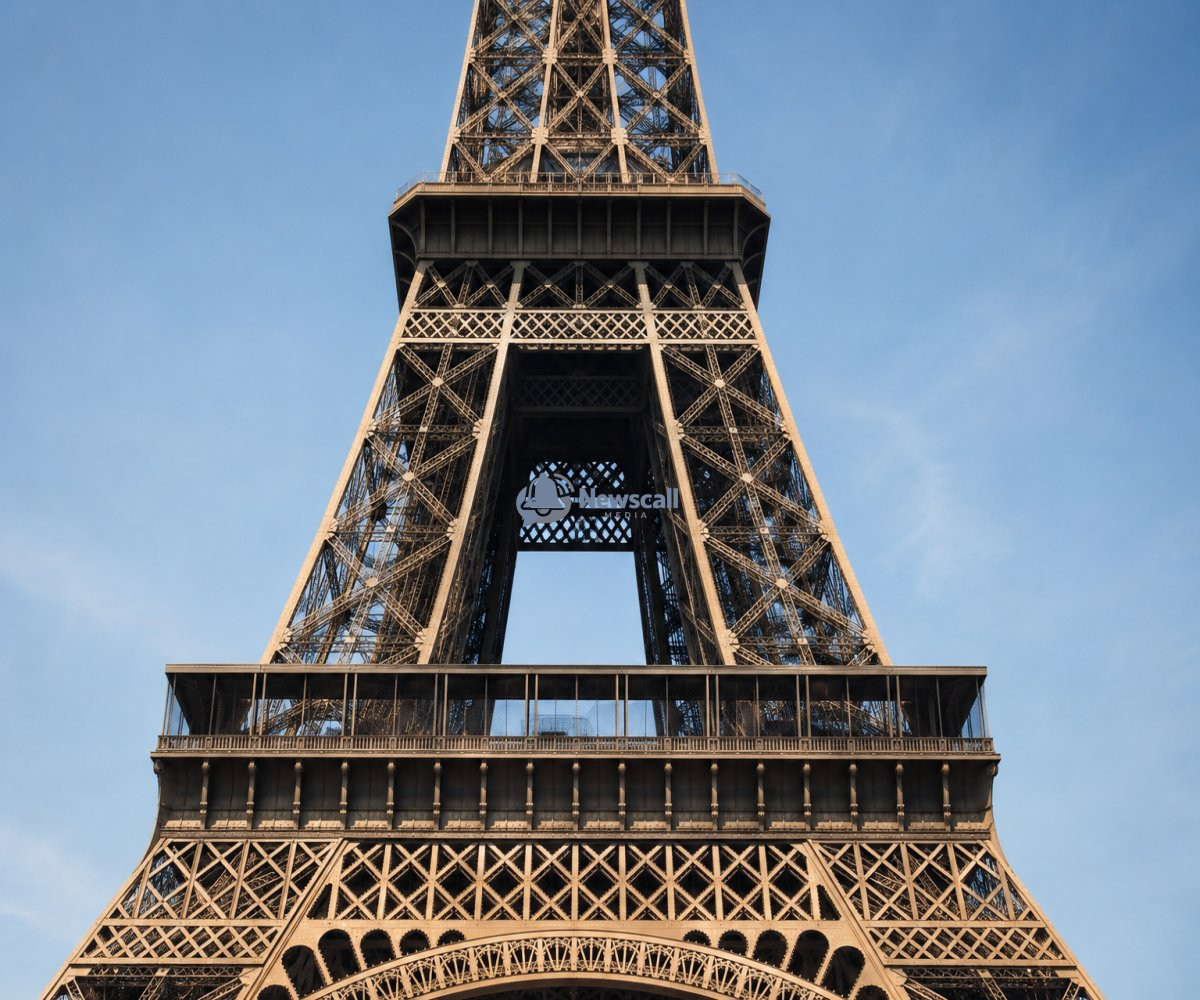
Steel is one of humanity's greatest engineering achievements—not because it is the newest material, but because it quietly made the modern world possible.
Before steel became widely available, builders relied heavily on wood, stone, and iron.
Each had its strengths.
Each also had serious limitations.
Wood burns.
Stone is incredibly strong under pressure but weak when stretched.
Iron is tougher, but it can be brittle and difficult to work with on a large scale.
Steel changed everything.
By combining iron with carefully controlled amounts of carbon and other elements, engineers created a material that was both incredibly strong and remarkably flexible.
It could support enormous weight without breaking.
It could bend slightly under pressure instead of snapping.
It could be shaped into beams, cables, rails, pipes, and thousands of other forms.
That single innovation transformed construction forever.
The age of skyscrapers began because of steel.
Without strong steel frameworks, buildings could never have climbed hundreds of meters into the sky.
The skylines of cities like New York, Dubai, Shanghai, and Lagos would look completely different.
Steel also revolutionized transportation.
Railways became stronger and safer.
Cars became lighter yet more durable.
Ships grew larger.
Airports expanded.
Even modern bicycles owe much of their strength to steel engineering.
The world's infrastructure is built upon it.
Bridges carrying millions of people every day rely on steel cables and support beams capable of withstanding enormous forces.
Oil and gas pipelines stretch for thousands of kilometers through mountains, deserts, and oceans because steel can survive extreme conditions.
Power stations, factories, wind turbines, and transmission towers all depend on it.
Perhaps the most remarkable quality of steel is its versatility.
There isn't just one type.
Engineers have developed thousands of different steel alloys, each designed for specific purposes.
Some resist corrosion in seawater.
Some withstand extreme heat.
Others remain strong in freezing temperatures.
Some are hard enough to cut through rock.
Others are flexible enough to absorb the impact of earthquakes.
Steel continues to evolve.
Today's engineers are developing lighter, stronger, and more environmentally friendly versions to reduce emissions while improving performance.
Recycled steel has also become one of the greatest success stories in sustainable manufacturing.
Unlike many materials, steel can be recycled repeatedly without losing much of its quality.
That makes it one of the world's most reusable construction materials.
Even as new materials like carbon fiber, graphene, and advanced composites capture headlines, steel remains indispensable.
Those futuristic materials are impressive.
But none has replaced steel at the scale required to build cities, bridges, railways, factories, and global infrastructure.
For now, steel remains the backbone of civilization.
Perhaps that is its greatest achievement.
It does not demand attention.
It does not appear in headlines every day.
Instead, it quietly supports the buildings we work in, the bridges we cross, the trains we ride, and the machines that keep the world moving.
Every skyline tells a story.
Every bridge carries a legacy.
Every factory stands as proof of human ingenuity.
And hidden beneath them all is a material that has shaped the modern world for more than a century.
Steel is not simply another building material.
It is the foundation upon which modern civilization continues to rise.

Victor Oluebubechukwu Akuma.
Creative writer