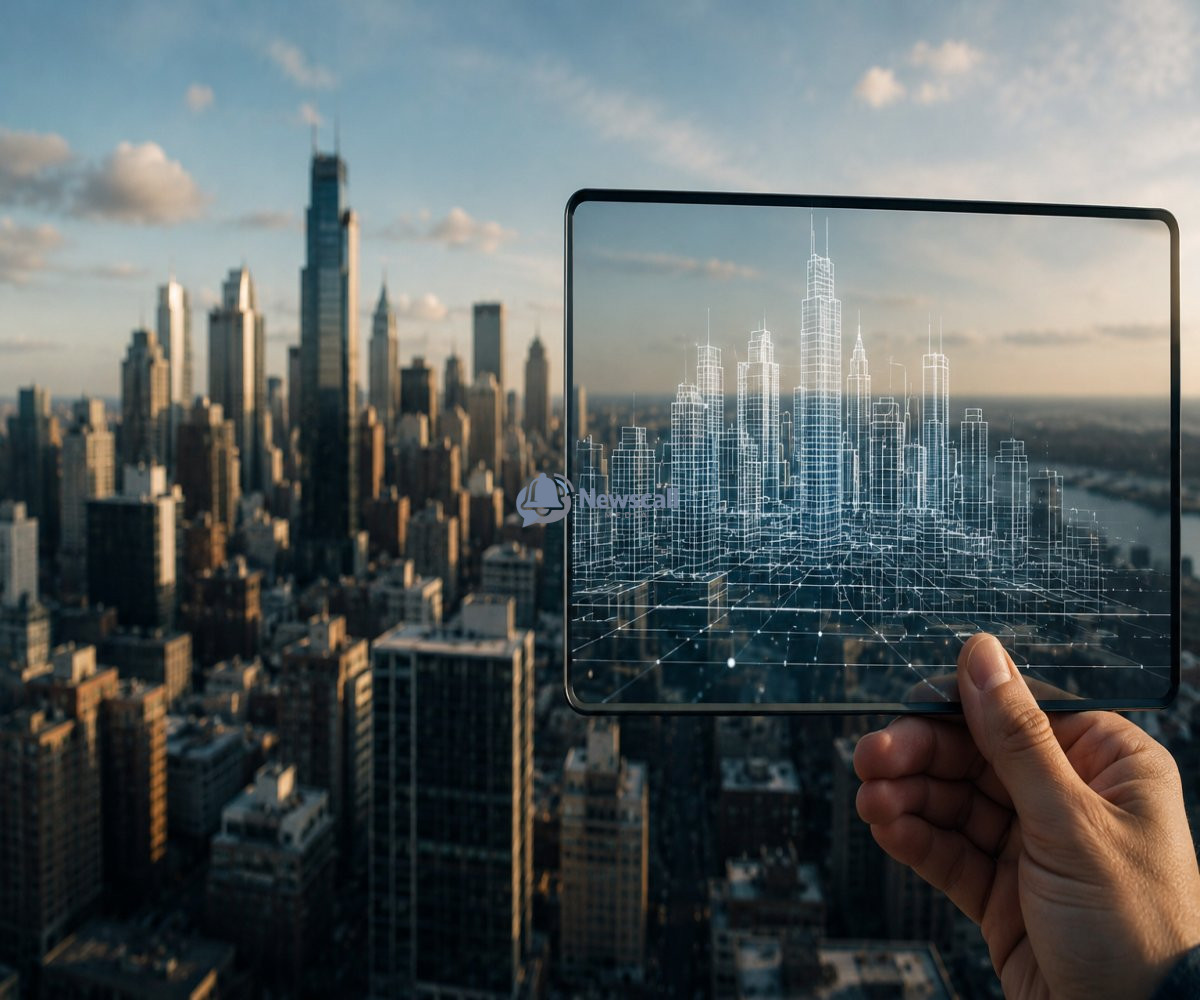


The Future of Work: Jobs That Don't Exist Yet
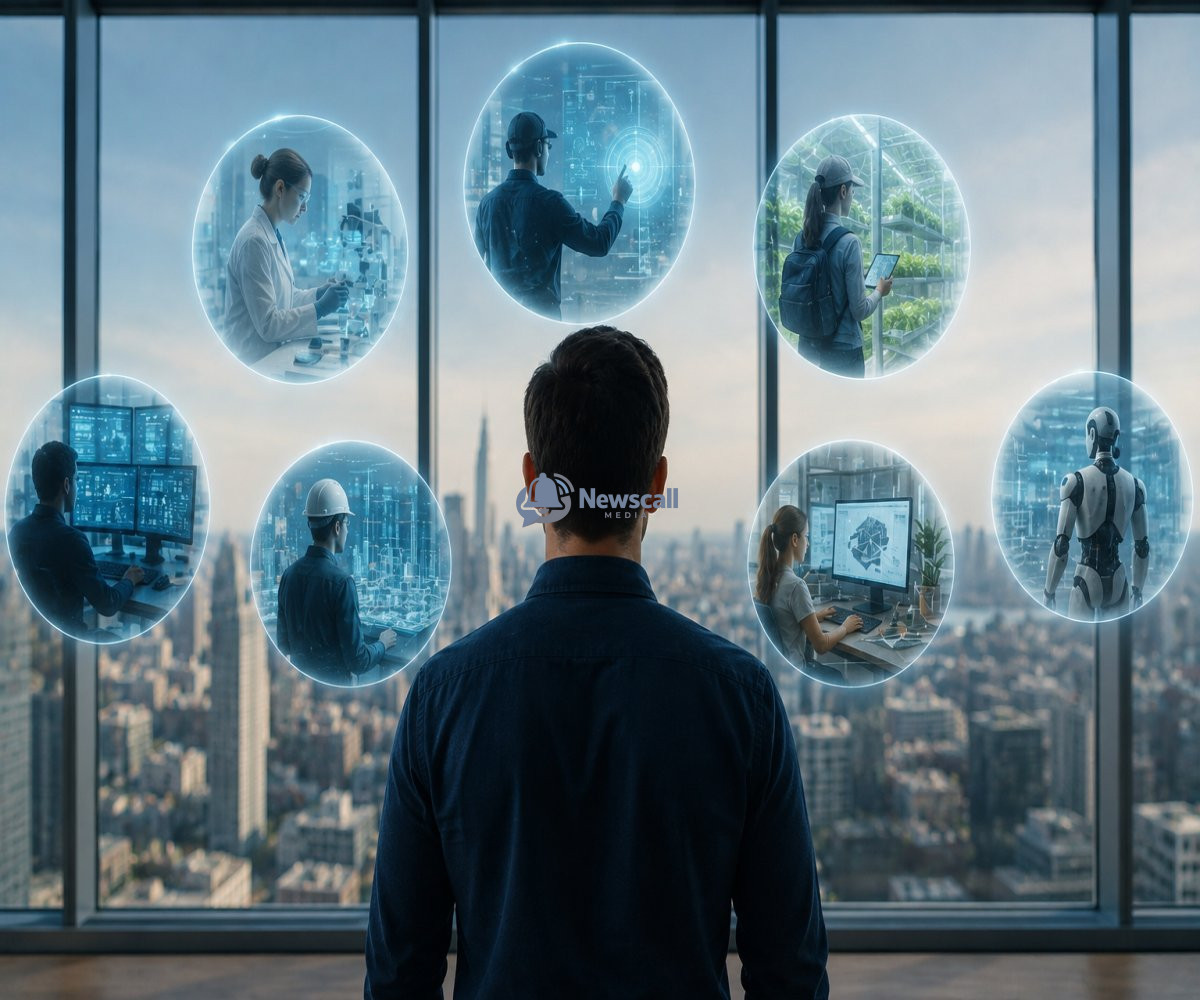
Imagine traveling back to the year 1990 and telling someone that millions of people would one day earn a living by managing social media accounts, creating YouTube videos, training artificial intelligence systems, or designing virtual worlds.
Most people would have laughed.
The reason is simple: many of today's careers didn't exist. The technology that made them possible hadn't been invented yet.
Throughout history, every major technological revolution has created jobs that were previously unimaginable. The Industrial Revolution created factory managers, mechanical engineers, and railroad operators. The internet created web developers, digital marketers, and cybersecurity specialists. Smartphones gave rise to app developers, content creators, and entirely new industries.
Now, another transformation is underway.
Artificial intelligence, robotics, biotechnology, renewable energy, and advanced computing are changing the world at a pace rarely seen before. While many discussions focus on the jobs these technologies might replace, a more interesting question is emerging:
What jobs will they create?
The answer may define the future of work.
One of the most likely developments is the rise of professions focused on managing artificial intelligence. As AI systems become more powerful, organizations will need people who understand how to train, supervise, audit, and improve them.
Today's companies already employ specialists who help AI systems understand language, recognize patterns, and avoid harmful mistakes. In the future, entirely new roles could emerge around ensuring that intelligent systems remain safe, reliable, and aligned with human goals.
Just as businesses once hired computer experts to manage their growing digital infrastructure, they may soon require teams dedicated to managing their AI workforce.
At the same time, advances in
biotechnology are opening possibilities that would have sounded impossible only a generation ago.
Scientists are exploring personalized medicine, genetic engineering, artificial organs, and treatments tailored to an individual's biology. As these technologies mature, entirely new careers may appear.
Future healthcare professionals could specialize in designing personalized therapies, managing genetic data, or overseeing advanced bioengineering systems. Some experts even envision professions dedicated to maintaining synthetic organs or monitoring digital models of human health.
Meanwhile, the transition toward cleaner energy could create another wave of opportunities.
As countries invest in renewable power, smart electrical grids, advanced batteries, and energy storage systems, demand will grow for specialists capable of designing, operating, and optimizing these technologies.
Entire industries may emerge around managing decentralized energy networks where homes, vehicles, and businesses both consume and generate electricity.
The future workforce may include careers that barely exist today.
The physical world is changing as well.
Autonomous vehicles, drones, and robotic systems are becoming increasingly capable. Yet contrary to popular fears, automation does not simply eliminate jobs. Historically, it changes them.
When elevators became automated, elevator operators disappeared, but entirely new industries emerged around electronics, software, and building management.
As robots become more common, people may increasingly work alongside machines rather than compete against them. New professions could involve coordinating robotic fleets, maintaining autonomous systems, or designing workflows that combine human creativity with machine efficiency.
Another major shift may come from the growing importance of virtual environments.
The internet transformed communication. Future digital worlds could transform work itself.
As virtual and augmented reality technologies improve, businesses may require specialists who design immersive workplaces, virtual training systems, and digital experiences that blend physical and virtual environments.
Future architects may design both real buildings and virtual ones.
Some careers may become difficult to predict because they will emerge from technologies that have not yet fully arrived.
A century ago, nobody could have accurately described a mobile app developer, a cloud architect, or a social media strategist.
Likewise, many of the jobs that will dominate the coming decades may be impossible to name today.
What appears certain is that adaptability will become increasingly valuable.
For much of modern history, people often learned a profession early in life and practiced it for decades. The future may look very different. Workers may regularly acquire new skills as technology evolves and industries transform.
The ability to learn quickly could become one of the most important professional advantages.
Creativity, problem-solving, communication, and critical thinking may also become more valuable rather than less. While machines continue to improve at routine tasks, human strengths often lie in imagination, judgment, and the ability to navigate uncertainty.
The future workforce may rely less on repetitive labor and more on uniquely human capabilities.
This does not mean the transition will be easy.
Every technological revolution creates disruption alongside opportunity. Some jobs will disappear. Others will change dramatically. Entire industries may be reshaped.
Yet history suggests that innovation rarely eliminates work itself. Instead, it changes the nature of the work people perform.
The blacksmith gave way to the mechanic.
The typist gave way to the software developer.
The travel agent evolved into digital travel platforms and online services.
New technologies closed some doors but opened many others.
Today, humanity stands at the beginning of another transformation.
Somewhere in a university laboratory, startup garage, or research facility, technologies are being developed that will create careers nobody can currently imagine. The people who eventually fill those roles may not even realize those jobs are coming.
One day, future generations may look back at today's professions the same way we look at switchboard operators or elevator attendants—important roles from a different era.
The future of work is not simply about the jobs we know.
It is about the jobs that have not been invented yet.

Victor Oluebubechukwu Akuma.
Creative writer