

Starmer Refuses to Quit as Labour Crisis Deepens Ahead of Key By-Election
Starmer Refuses to Quit as Labour Crisis Deepens Ahead of Key By-Election
British Prime Minister Keir Starmer is facing one of the biggest political crises of his leadership after nearly 90 Labour MPs reportedly called for him to step down, while five ministers — including former Health Secretary Wes Streeting — resigned from government.
Despite mounting pressure, Deputy Prime Minister David Lammy insisted Starmer has “been crystal clear that he fights on” and will continue leading the government. Speaking to the BBC, Lammy urged Labour members to stop the infighting and focus on governing, warning that internal divisions could strengthen Nigel Farage and Reform UK ahead of the next election.
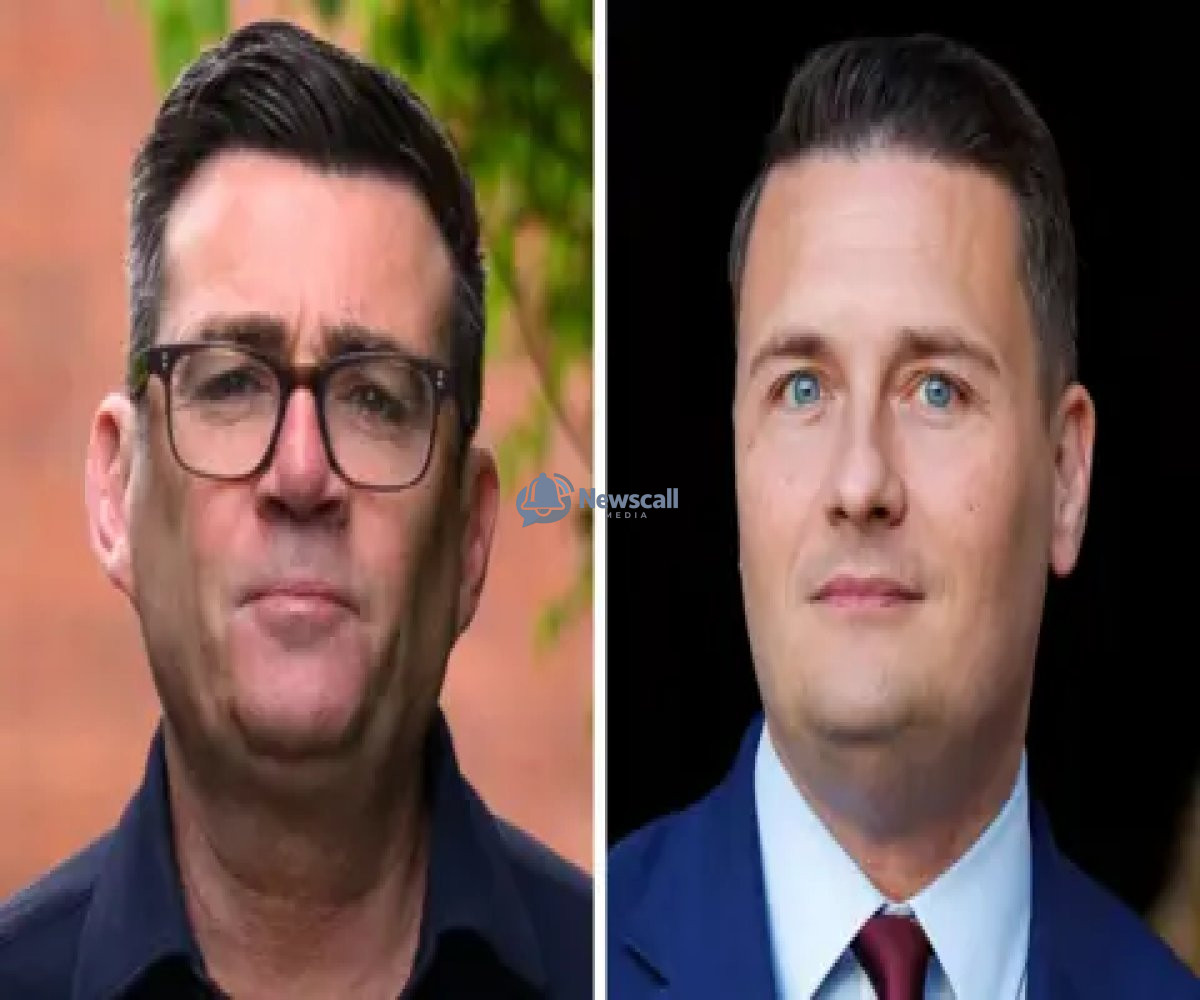
The political turmoil comes just weeks before the crucial Makerfield by-election, expected to take place on 18 June. The contest is now being viewed as a major test of Starmer’s authority and Labour’s future direction. Former Manchester mayor Andy Burnham is seeking to become Labour’s candidate after being cleared to run by the party’s ruling body. If Burnham wins the seat and gains the backing of enough MPs, he could potentially trigger a Labour leadership challenge.
Tensions inside Labour intensified after Streeting publicly declared he would stand in any future leadership race. During a weekend speech, he described Brexit as a “catastrophic mistake” and argued that Britain should eventually return to the European Union. His comments immediately sparked backlash from several Labour figures, especially allies of Burnham, who fear reopening the Brexit debate could damage Labour’s chances in Makerfield — an area that strongly supported leaving the EU in 2016.
Burnham himself has attempted to distance the by-election campaign from the EU debate. While he previously admitted there could be a long-term case for rejoining the bloc, he stressed that his focus remains on rebuilding Labour’s relationship with working-class voters.
After attending Everton’s match against Sunderland over the weekend, Burnham shared feedback he received from supporters, saying many people told him: “Labour left us. We didn’t leave Labour.” He promised his campaign would aim to return Labour to being “the party people used to know” and one that stands firmly with working-class communities.
Meanwhile, Lammy repeatedly defended the government’s current Brexit position. He acknowledged that Brexit had weakened Britain economically but insisted Labour remains committed to its manifesto promises not to rejoin the EU single market, customs union or freedom of movement.
“We are reconnecting with Europe step by step,” Lammy said, while refusing to speculate on whether Labour could eventually support rejoining the EU in the future.
The growing division within Labour highlights a broader identity crisis facing the party. Some members believe Labour must move closer to Europe again to revive Britain’s economy and global influence. Others fear that revisiting Brexit could alienate working-class voters in northern England — many of whom shifted toward Reform UK in recent local elections.
Recent local election results have already raised alarm inside Labour after Reform UK reportedly gained nearly 50% support in parts of Makerfield. Farage’s party has continued campaigning aggressively in the constituency, turning the by-election into a symbolic battle over Labour’s future and its ability to hold traditional strongholds.
Political analysts say the Makerfield contest could shape the future of the Labour Party for years. A Burnham victory would strengthen calls for change inside Labour, while a poor result could deepen pressure on Starmer’s leadership.
For now, Starmer remains defiant, backed publicly by senior cabinet figures. But with resignations mounting, leadership rivals emerging and Brexit once again dominating political debate, Labour faces a defining moment that could determine not only the future of the party, but also the direction of British politics ahead of the next general election.

Nwekwe Esther Amarachukwu
Public speaker,Research-driven writer covering politics and public affairs, committed to accuracy, and meaningful public discourse.