

Presidency Knocks Peter Obi Over One-Term Vow, Raises Doubts on His Consistency
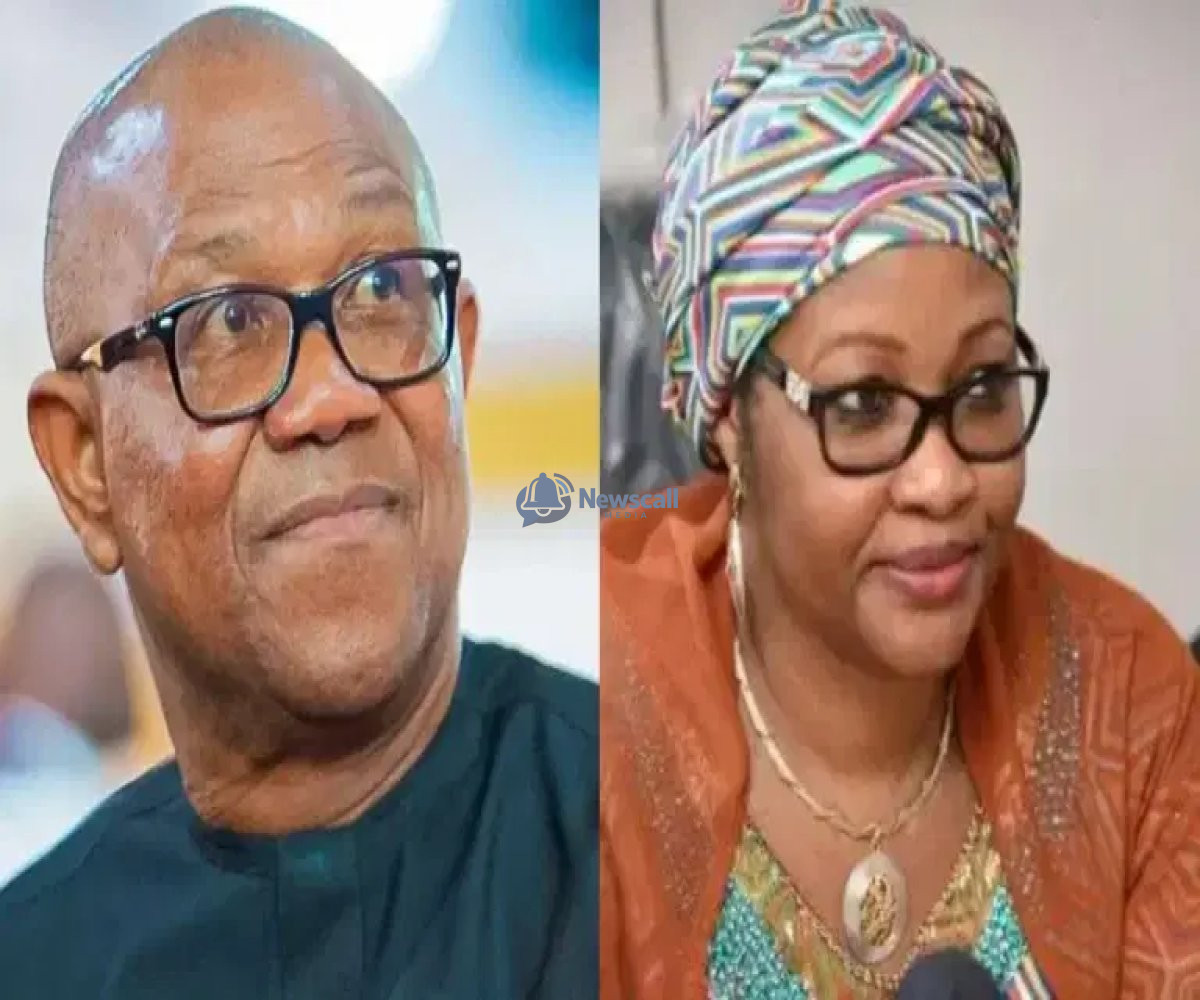
The Presidency on Thursday criticised former Labour Party presidential candidate, Peter Obi, over his recent promise to serve only a single four-year term if elected president in the 2027 general election, describing the pledge as unreliable and inconsistent with his political history.
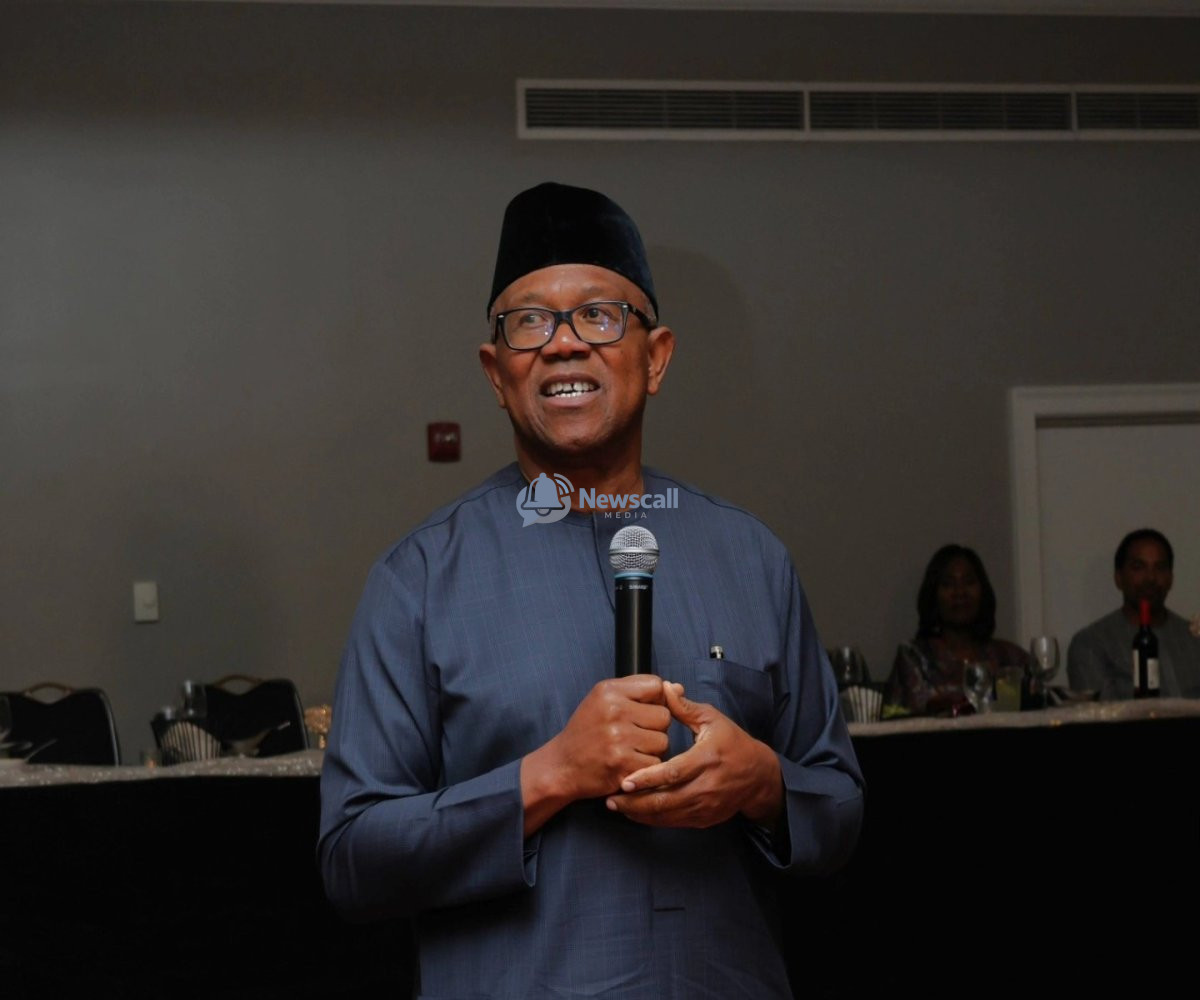
The reaction followed comments made by Obi during an interview scheduled to air on News Central Television, where the former Anambra State governor stated emphatically that he would not remain in office beyond one term if given the opportunity to lead Nigeria.
In a clip from the interview that later went viral on social media, Obi declared that no circumstance would make him exceed a four-year tenure in office.
“Even if you put a gun to my head, I will leave after four years,” Obi reportedly said while discussing his vision for governance and political leadership.
His comments immediately generated reactions across the political space, particularly among supporters and critics ahead of the intensifying political activities leading to the 2027 presidential election.
Responding to the statement, the Special Adviser to President Bola Tinubu on Information and Strategy, Bayo Onanuga, questioned the credibility of Obi’s pledge, arguing that the former governor’s political track record suggests a pattern of inconsistency and shifting loyalties.
In a post published on his verified X account on Thursday, Onanuga dismissed Obi’s one-term promise, saying Nigerians should be cautious about taking such political assurances seriously.
“If you believe Peter Obi’s promise to serve only one term as president, you’ll believe anything,” Onanuga wrote.
The presidential aide accused Obi of repeatedly abandoning political platforms and alliances whenever it suited his political interests.
According to him, Obi once publicly pledged loyalty to the All Progressives Grand Alliance during his time as governor of Anambra State but later defected to the Peoples Democratic Party.
Onanuga argued that Obi’s political journey over the years reflects a pattern of unstable allegiances and opportunistic movements across parties.
“Peter Obi’s pledges have always been short-lived. He eventually abandoned APGA for the PDP, and since then, he has moved from one political platform to another like a political rolling stone,” he stated.
The presidential spokesman further maintained that Obi’s political actions contradict the image of consistency and integrity often projected by his supporters.
“By his own conduct, Peter Obi has shown repeatedly that his word cannot always be trusted. His promises appear to be as temporary as his political affiliations,” Onanuga added.
Obi, who emerged as one of the major contenders in the 2023 presidential election under the platform of the Labour Party, finished third in the fiercely contested election behind Tinubu of the All Progressives Congress and former Vice President Atiku Abubakar of the PDP.
Despite losing the election, Obi maintained significant popularity among young Nigerians and urban voters, especially through the “Obidient” movement, which gained traction across social media and among first-time voters during the 2023 campaign season.
Since the last election, Obi has remained an influential opposition figure and has continued to criticise the Tinubu administration over issues relating to the economy, insecurity, inflation and governance.
Recent political developments, however, have seen a reshaping of opposition alliances ahead of the 2027 elections.
Obi recently aligned with the Nigeria Democratic Congress after distancing himself from the coalition talks involving the African Democratic Congress and other opposition figures preparing to challenge the ruling APC in 2027.
The January 16, 2027 presidential election is already beginning to generate intense political calculations, with major opposition figures repositioning themselves while the APC prepares to defend President Tinubu’s administration amid growing debates over economic reforms, rising living costs and the direction of governance in the country.
Obi’s one-term promise is also being interpreted by some political observers as an attempt to reassure northern political stakeholders and promote power rotation, although the former governor has not officially framed the pledge in that context.
Meanwhile, supporters of Obi have defended his statement, insisting that his pledge reflects a commitment to selfless leadership and a desire to focus on delivering measurable results within a limited period.
The exchange between the Presidency and Obi is expected to further heighten political tensions as preparations for the 2027 general election gather momentum.

Anozie Chiemerie Emmanuel
Writer