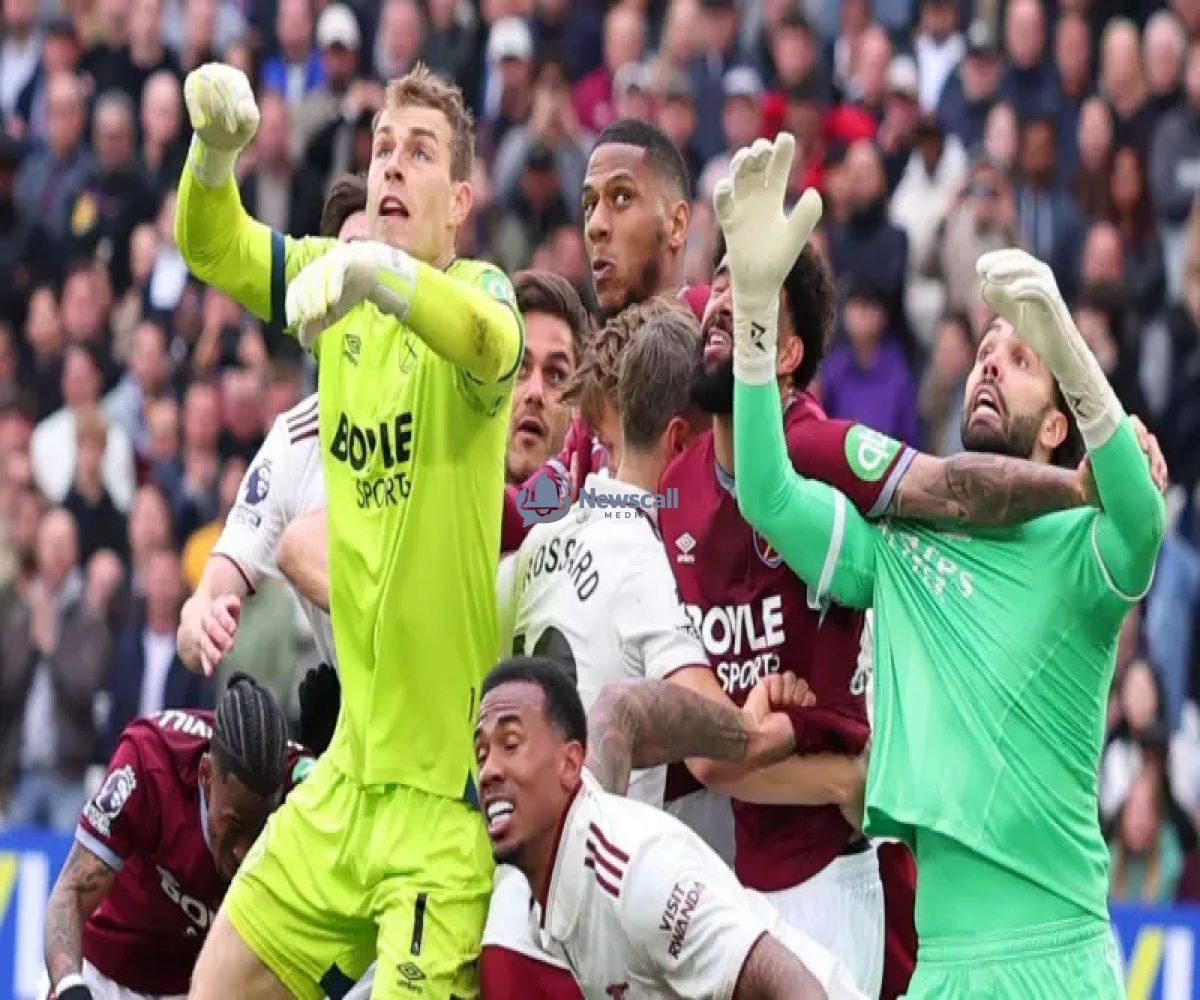


NFF Crisis: Who Takes Over After Gusau’s Exit and What It Means for Nigeria’s Super Eagles, Super Falcons
By Sports Desk
Nigeria’s football administration has entered a new and uncertain chapter following the resignation of Nigeria Football Federation (NFF) President Ibrahim Musa Gusau, General Secretary Mohammed Sanusi and members of the federation’s Executive Committee.
The dramatic development on August 27 came amid mounting public pressure over a succession of disappointing results by Nigeria’s senior national teams, including the failure of the Super Eagles to qualify for the 2026 FIFA World Cup and the historic failure of the Super Falcons to reach the 2027 FIFA Women’s World Cup.
Gusau, who was elected NFF president in 2022, stepped down just weeks before the federation was due to hold its elective congress in Lafia, Nasarawa State. The resignation has now thrown that electoral timetable into uncertainty.
No permanent successor yet
Contrary to early speculation, there is currently no confirmed substantive replacement for Gusau as NFF president.
Instead, the immediate priority has shifted towards keeping the federation operational while the authorities work out a new administrative structure.
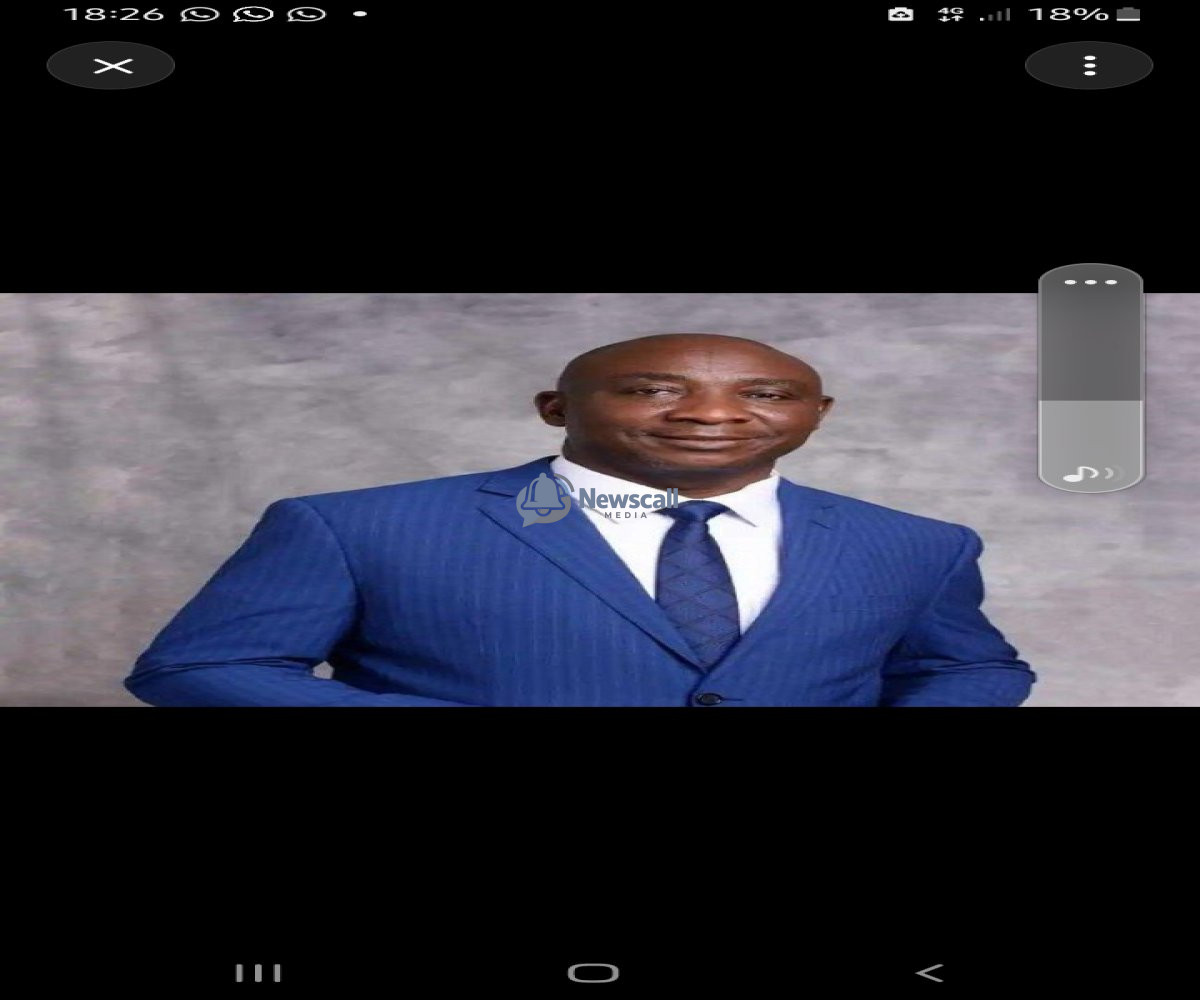
The National Sports Commission has endorsed Dr Emmanuel Ikpeme, the former NFF Deputy General Secretary, to oversee the federation's Secretariat as acting General Secretary. Dr Ademola Olajire, formerly the NFF Director of Media and Communications, has also been appointed acting Deputy General Secretary.
Ikpeme's role is primarily administrative. He is expected to maintain the day-to-day running of the federation rather than become the permanent successor to Gusau.
More significantly, the NFF has suspended all processes leading to the September 27 elective congress. According to the federation, a fresh electoral process will be launched after comprehensive reforms carried out in consultation with FIFA, CAF, the Federal Government and other stakeholders.
Who could lead the interim administration?
The biggest question now is whether Nigeria will proceed with a temporary normalisation committee before holding fresh elections.
Reports indicate that senior figures within the National Sports Commission have been considering possible candidates to lead such an arrangement. Among the names being discussed are former NFF president Amaju Pinnick and former NFF General Secretary Musa Ahmadu.
Pinnick, who led the federation from 2014 to 2022, brings considerable experience and international football connections. Ahmadu, meanwhile, has extensive knowledge of the NFF's administrative structure.
However, neither man has been officially appointed NFF president. The situation remains fluid, and any normalisation arrangement would also have to take into account Nigeria's relationship with FIFA and CAF.
That distinction is important because a government-led intervention in a football federation can raise concerns about political interference. FIFA traditionally expects its member associations to operate independently of government interference, meaning Nigeria's next steps will have to be carefully coordinated with the international football authorities.
Reports indicate that FIFA and CAF officials are expected to engage with the National Sports Commission over the unfolding crisis.
Why the Super Eagles are watching closely
For the Super Eagles, the leadership crisis comes after one of the most painful setbacks in recent Nigerian football history.
Nigeria will miss the 2026 FIFA World Cup after failing to secure qualification, a disappointment that generated intense criticism of the football administration. The Eagles' failure followed their elimination in the African qualifying play-offs, where they lost to the Democratic Republic of Congo on penalties.
The immediate consequence is that there is no World Cup campaign for the new NFF administration to prepare for.
Instead, the priority must be rebuilding the national team and putting in place a sustainable technical and administrative structure capable of ensuring that Nigeria does not suffer another qualification failure when the next World Cup cycle begins.
The incoming leadership will therefore face difficult questions over coaching appointments, player welfare, funding, scouting, grassroots development and the overall relationship between the federation and the national team.
Nigeria possesses a deep pool of football talent, but recent failures have demonstrated that talent alone does not guarantee success.
A historic setback for the Super Falcons
The situation is arguably even more serious for the Super Falcons.
Nigeria failed to qualify for the 2027 Women's World Cup after losing to South Africa, bringing an end to the country's record of appearing at every edition of the Women's World Cup since the tournament began in 1991.
The failure came after the Falcons' disappointing campaign at the 2026 Women's Africa Cup of Nations. The NFF subsequently directed the team's technical crew to step down and established a fact-finding committee to investigate the circumstances surrounding the team's poor performance and failure to qualify for the World Cup.
The new administration will therefore inherit a women's national team that needs more than a new coach.
There are broader questions about player development, domestic women's football, scouting, professional league structures, preparation camps, funding and the federation's long-term strategy for maintaining Nigeria's status as one of Africa's leading women's football nations.
The bigger battle: reforming Nigerian football
The resignation of Gusau and the NFF board is unlikely to solve Nigeria's football problems by itself.
What happens next could be more important than the resignations themselves.
The National Sports Commission has described the current measures as part of a broader reform process. The country's major domestic leagues have also been affected, with their existing leadership directed to hand over administrative responsibilities to their chief operating officers.
This means the crisis extends beyond the Super Eagles and Super Falcons.
Nigeria's domestic football structure, financial management, competitions, player welfare, refereeing, grassroots development and administrative accountability are all likely to come under renewed scrutiny.
The objective should not simply be to find another person to occupy the NFF presidency. The more important task is to create an administration capable of delivering consistent, transparent and professionally managed football.
What happens next?
For now, Emmanuel Ikpeme is the key figure maintaining the NFF Secretariat, but he should not be described as Nigeria's new NFF president.
The immediate roadmap is expected to involve consultations between the National Sports Commission, NFF stakeholders, FIFA and CAF, followed by decisions on the interim administrative structure and eventually a new electoral process.
The proposed normalisation arrangement could provide a temporary bridge to a new NFF election, but the identity of whoever eventually emerges as president remains open.
For Nigerian football, the stakes could hardly be higher.
The Super Eagles need a credible rebuilding programme after missing another World Cup. The Super Falcons need to recover from the most significant setback in their history. And the NFF itself needs to restore confidence among players, coaches, clubs, sponsors and supporters.
The lesson from the current crisis is clear: Nigeria's football problem is no longer simply about results on the pitch. It is also about the quality, stability and credibility of the institution responsible for managing the game.
The next NFF administration will therefore inherit not just an office, but the enormous task of rebuilding confidence in Nigerian football.

EMMANUEL EBUBECHUKWU
A young boy,passionate about writing. I just write to feel happy. So help me God.