

“Japan Hit by 7.7-Magnitude Quake: Tsunami Warnings, Evacuations, and Megaquake Fears”
Japan’s government confirmed today (April 21, 2026) that three people have died following the powerful 7.7-magnitude earthquake off the Sanriku coast. This marks the first fatalities reported since the quake struck yesterday, Japan has been struck by a powerful 7.7-magnitude earthquake off its northeastern coast, triggering tsunami warnings, mass evacuations, and fears of a repeat of the catastrophic 2011 disaster. While waves of up to 80 cm were recorded and six injuries reported, authorities warn of heightened aftershock risks and the possibility of a larger “megaquake” in the coming week.
The Quake and Immediate Impact
On April 20, 2026, at 4:53 p.m. local time, a 7.7-magnitude earthquake struck off the Sanriku coast near Iwate Prefecture. The tremor, originating at a shallow depth of about 10 km, was strong enough to sway high-rise buildings in Tokyo, hundreds of kilometers away. The Japan Meteorological Agency (JMA) quickly issued tsunami warnings predicting waves up to three meters, urging residents to evacuate immediately to higher ground. Actual waves peaked at 80 cm in Kuji Port, with smaller surges recorded in Miyako, Hachinohe, and Hokkaido.
Evacuations and Government Response
Authorities ordered 182,000 residents in Iwate, Aomori, and Hokkaido to evacuate coastal areas. Prime Minister Sanae Takaichi convened a crisis management team and addressed the nation, urging vigilance and calm. Bullet train services on the Tohoku Shinkansen were suspended, highways closed, and ports evacuated. Despite the disruption, Japan’s nuclear plants—including Fukushima Daiichi and Onagawa—reported no abnormalities, a relief given the shadow of the 2011 Fukushima disaster.
Casualties and Damage
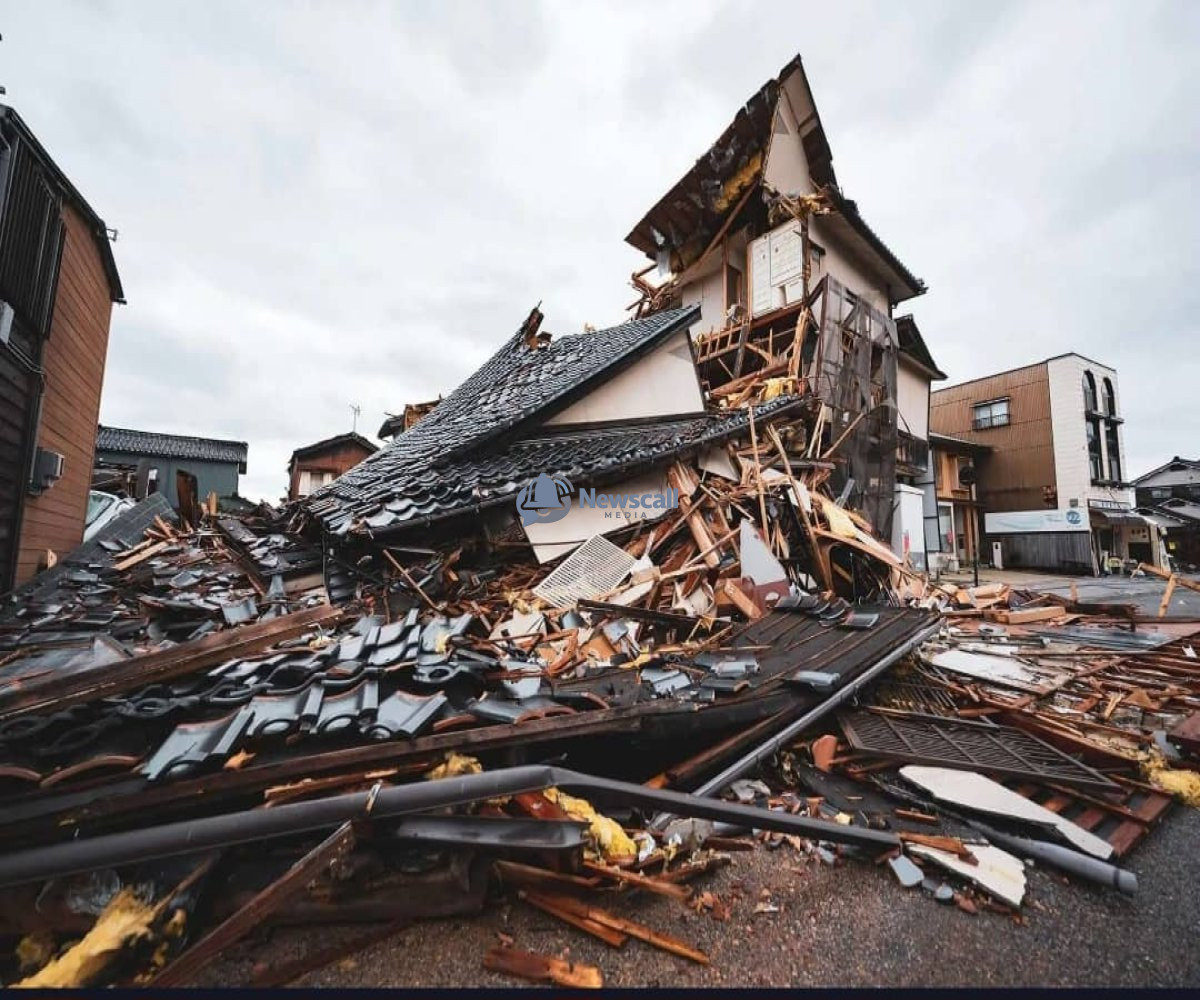
So far, six people have been injured, two seriouslserand three fatalities have been confirmed. Infrastructure damage has been limited, thanks to Japan’s strict building codes and rapid evacuation protocols introduced after 2011. The quake registered upper 5 on Japan’s seismic intensity scale, strong enough to knock down unreinforced walls and make movement difficult.
Global Context
Japan lies on the Pacific Ring of Fire, one of the world’s most seismically active zones. The Sanriku coast, where this quake struck, is the same fault system that produced the 2011 Tōhoku earthquake and tsunami, which killed nearly 18,500 people and triggered a nuclear crisis. While today’s quake released only a fraction of that energy, the geography of the threat is identical—near-shore ruptures sending waves directly at densely populated coastlines.
Risk
The JMA has issued a seven-day elevated aftershock advisory, warning of quakes of similar scale through April 27. Seismologists have raised the probability of a megaquake (M8+) from 0.1% to 1%, a tenfold increase. This has heightened fears among residents and global observers, recalling the devastation of 2011.
.
Conclusion:
Japan’s latest earthquake underscores the country’s vulnerability to seismic disasters and the resilience of its emergency systems. While casualties have been limited, the specter of a larger quake looms, reminding the world of the fragile balance between preparedness and nature’s unpredictability.

OKORO WILSON EGWU
“Independent journalist delivering sharp, reporting on global conflicts, humanitarian crises, and international diplomacy. Known for transforming complex world events into...