

Forgot Your Google Password? Soon, a Selfie Could Get You Back In
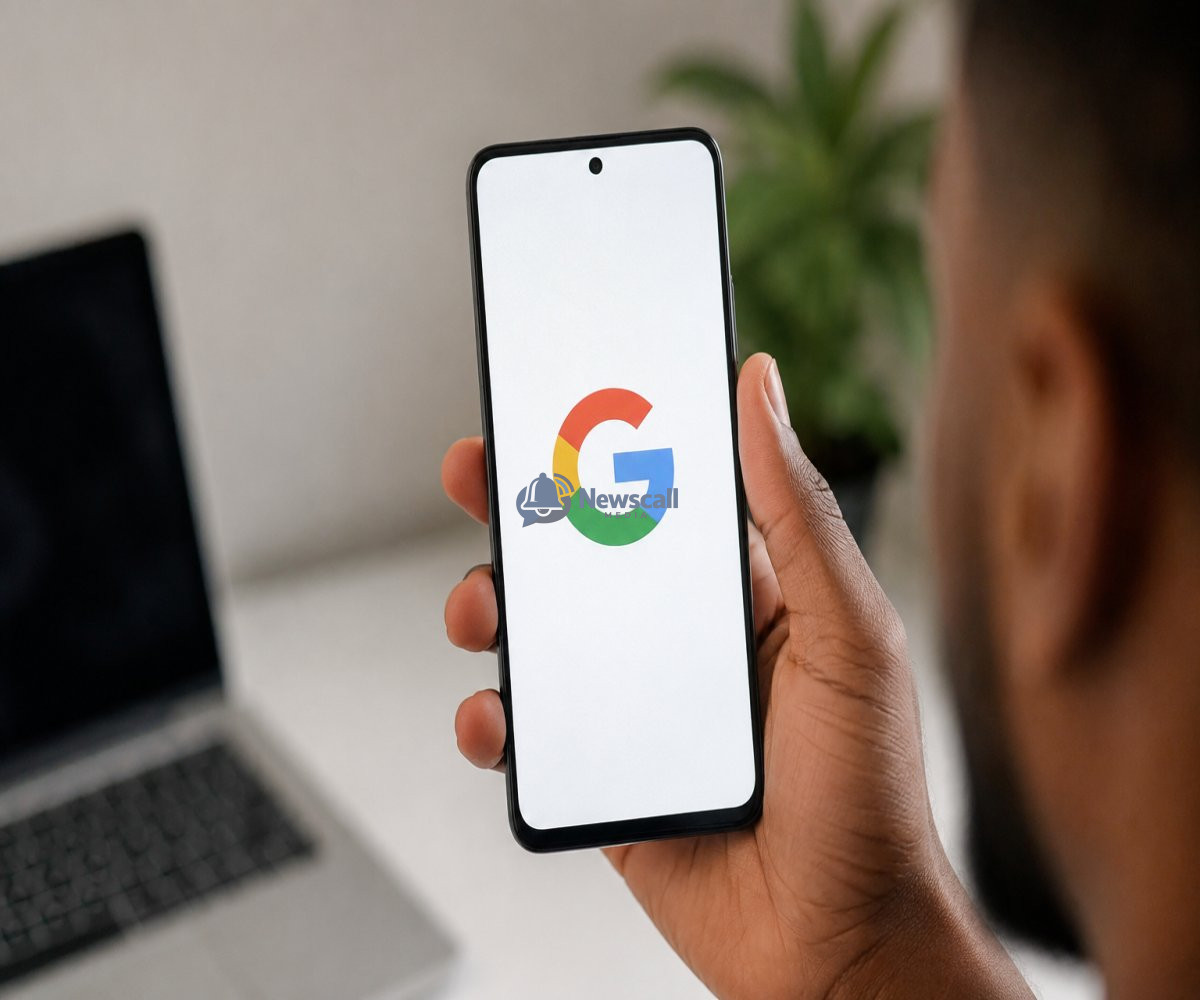
For years, forgetting your password has meant answering security questions, entering verification codes, or hoping you still have access to a trusted device.
Google wants to add another option.
Instead of relying solely on passwords or recovery emails, the company has introduced a new feature called Selfie Video, allowing eligible users to verify their identity using a short video of their face if they become locked out of their account.
At first glance, it sounds like something straight out of science fiction.
Forget your password.
Look into your phone's camera.
Get back into your account.
But behind the simplicity lies a growing shift in how technology companies think about digital identity.
Passwords have protected online accounts for decades, but they have never been perfect. People forget them, reuse them across multiple websites, or choose combinations that are easy for attackers to guess.
Even two-factor authentication, while significantly more secure, isn't always convenient. Phones get lost, authentication apps stop working, and recovery emails can become inaccessible.
Google's latest approach attempts to solve another part of that problem.
The feature works as a recovery option rather than a replacement for your password. Users who choose to enable it record a short guided selfie video ahead of time. If they later lose access to their account, Google can compare a new live selfie video with the one already on file to confirm the person's identity.
The process goes beyond matching a photograph.
According to Google, the system performs liveness checks designed to ensure it's looking at a real person rather than a printed picture, a recorded video, or other attempts at impersonation.
That makes the technology significantly more sophisticated than simply unlocking a phone with facial recognition.
The introduction of selfie-based account recovery reflects a much larger trend across the technology industry.
Passwords are gradually becoming less central to online security.
Instead, companies are investing in biometric authentication, passkeys, security keys, and other methods that rely on who you are rather than what you remember.
Fingerprint scanners, facial recognition, and iris scanning have already become common on smartphones.
Now, similar technologies are beginning to protect online accounts as well.
The shift makes sense.
Unlike passwords, faces can't be forgotten.
But they also introduce new questions.
Privacy experts have long debated how biometric information should be stored, who controls it, and what happens if that data is ever compromised.
You can change a password.
You can't change your face.
Google says users remain in control of the feature.
The company states that selfie videos are encrypted, stored only with user permission, and can be deleted at any time. It also says the videos are used only for sign-in and account recovery unless users explicitly choose otherwise.
Those safeguards will likely be important in determining how comfortable people feel adopting the feature.
The announcement also arrives at a time when artificial intelligence is making identity verification more complicated.
Highly realistic deepfakes and AI-generated videos have raised concerns about whether facial authentication systems can be fooled.
Google says its recovery process includes anti-spoofing technology and liveness detection to distinguish genuine users from manipulated media.
As AI becomes more powerful, security systems must evolve alongside it.
The new feature isn't available to everyone yet.
Google is rolling it out gradually to eligible personal Google Accounts. Some accounts, including Google Workspace users and those enrolled in Advanced Protection, won't have access during the initial rollout.
Even so, the direction is becoming increasingly clear.
The future of online security may involve remembering fewer passwords and proving more often that you're really you.
Whether through fingerprints, passkeys, facial recognition, or selfie videos, technology companies are steadily moving toward authentication methods designed around identity instead of memory.
For users, that could mean fewer frustrating account recovery experiences.
For the tech industry, it signals another step toward a password-light future.
The next time you forget your Google password, the solution might not be hidden in a notebook or password manager.
It could be waiting on the other side of your phone's camera.

Victor Oluebubechukwu Akuma.
Creative writer