

Foreigners Stranded, Living in Fear as Anti-Immigrant Protests Rock South Africa.
An uneasy tension hangs over communities across South Africa today as the country braces for nationwide anti-immigrant protests. Thousands of foreign nationals are stranded, uncertain about their safety, while many more live in fear of what the day might bring.
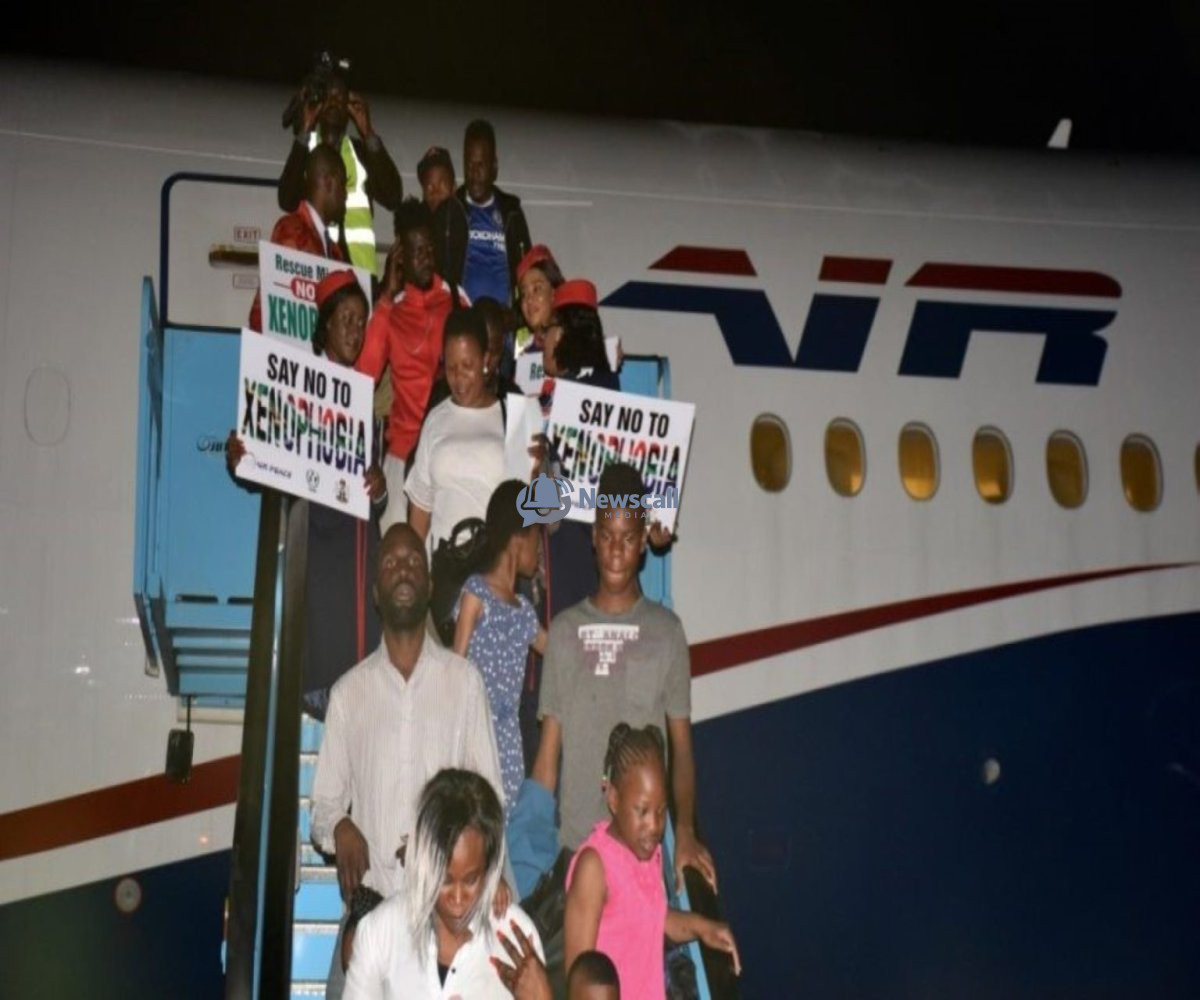
Despite President Cyril Ramaphosa's government urging protest groups to exercise their rights responsibly, the atmosphere remains charged. Several African nations including Nigeria, Ghana, and Zimbabwe have already begun voluntarily repatriating their citizens, but thousands of Malawians remain stuck in makeshift camps, desperately hoping to get home safely.
The June 30 deadline, set by anti-migrant groups for undocumented immigrants to leave the country, follows weeks of escalating tensions. At least three people two Mozambicans and one Malawian have already lost their lives in the violence, leaving many migrants terrified for their futures.
One documented migrant, speaking to reporters, said he made the painful decision to leave after neighbours repeatedly threatened to kill him once the deadline arrived. "That's why today I decided to join our brothers and go home," he said quietly.
For others, leaving means even more heartbreaking choices. Another migrant shared that he was forced to abandon his children with his Zulu wife after she told him she could no longer support them on her own. The pain in his voice was unmistakable.
Nations Step In to Bring Citizens Home:
The growing security crisis has prompted several African countries to organise emergency repatriation efforts. Nigeria has already evacuated 324 citizens on two official flights as part of an ongoing voluntary return programme. Official records suggest the Nigerian born population in South Africa ranges between 25,000 and 35,000 people.
South African authorities have condemned the violence and promised heightened security ahead of the planned marches. Police warn that anyone attempting to incite violence or take the law into their own hands will face arrest. Security forces have identified Gauteng, KwaZulu-Natal, the Western Cape, and the Eastern Cape as potential hotspots.
Ramaphosa: "No Cause Justifies Violence"
President Ramaphosa issued a statement on Sunday, acknowledging that the right to protest is protected by South Africa's Constitution. However, he made it clear that freedom of expression does not give anyone the right to threaten, intimidate, or engage in acts of vandalism.
"Some foreign nationals who live in South Africa are here lawfully. They work, study, raise families, invest in our economy, and contribute positively to our society. They, too, are entitled to the protection of our laws and our Constitution," Ramaphosa said.
He also welcomed assurances from some protest organisers that they stand against violence, warning that "no cause, no matter how legitimate, will be an excuse to shift responsibility for violent acts."
Businesses Brace for Impact:
Many businesses are expected to keep their doors closed today due to the threat of violence. But business and labour organisations have come out strongly, saying foreigners are being wrongly blamed for South Africa's economic troubles.
A coalition of major labour groups including Cosatu, Fedusa, Saftu, and Nactu issued a joint statement declaring that migrants are not responsible for the country's economic crisis.
"The economic crisis in South Africa is rooted in issues like economic stagnation, corruption, de-industrialisation, mass unemployment and weak governance," the organisations stated, rather than immigrants.
Pietermaritzburg Chamber of Business chief executive Melanie Veness echoed this sentiment, saying foreigners had become convenient scapegoats for the country's economic struggles.
"Removing foreign nationals from workplaces, communities, or public spaces will not reopen factories or create sustainable jobs," the labour groups asserted.
A Community on Edge:
As fears of violence linger, migrants have been sharing their stories tales of anxiety, resilience, and a fragile hope that the day will pass without bloodshed.
Twenty eight year old Wilson Petro spoke of mixed emotions as he prepared to leave the Durban Drive In site after days of waiting. "We are here because we have been struggling as foreigners," he said. "Today we will be leaving this camp and going to Limpopo and then, hopefully, to Malawi."
At the site, thousands of people have been reduced to makeshift routines. Men, women, and children fill the sprawling camp, their few belongings hanging from fences clothes and blankets fluttering in the winter breeze like improvised washing lines. Children linger beside their families while adults sit quietly, clutching whatever they can carry.
At the Che Guevara Home Affairs office, Salima Tusame a mother of three with her eldest child aged 13 described weeks of frustration and fear. She had been waiting at the office for about five weeks, showing her papers to prove her legal status in South Africa.
"I came to South Africa in 2015, and I have been at this Home Affairs for five weeks because of the march," she said. "I know I have papers which allow me to stay in South Africa, but they don't care whether you have papers or not."
"They have sworn at me and hit me. Even at the hospital, actually, everywhere you go. I used to sell fruit, but now I can't. They said they want foreigners gone. I don't know what will happen with the planned protests tomorrow."
A Warning Against History Repeating:
KwaZulu Natal Premier Thami Ntuli warned against a repeat of past unrest, recalling the devastating impact of previous violence on the province's economy and communities.
"July 2021 set us back years; we have not yet fully recovered. That is the price chaos extracted from this province," Ntuli said. "Not from the instigators who vanished into the crowd, but from ordinary workers, traders, mothers and fathers who lost their shops, their jobs, their dignity."
"We buried that pain once. We will not dig that grave again, not for unrest, and not for hatred dressed up as protest."
His words carried a heavy weight a reminder that when tensions escalate, it's ordinary people who pay the highest price.

Umeanozie Prosper
Writer, Novelist,blogger, content creator