

China Enforces New Ethnic Unity Law, Raising Global Concerns Over Minority Rights.
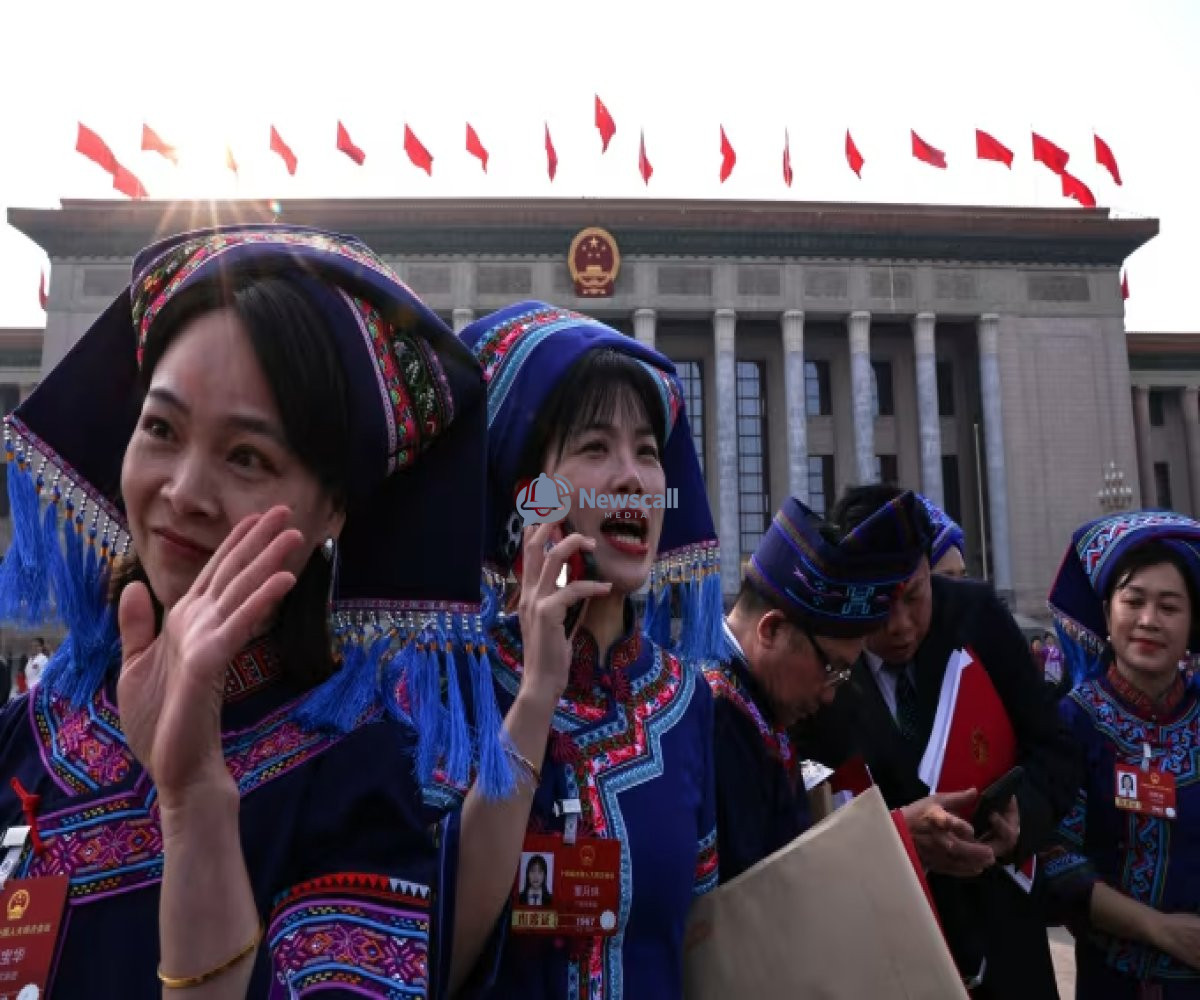
China has introduced a sweeping new law aimed at strengthening national unity, requiring all ethnic groups to align more closely with a shared Chinese identity under the leadership of the Communist Party.
The Ethnic Unity and Progress Promotion Law, which took effect on July 1, applies to all 56 officially recognized ethnic groups in the country, including Tibetans, Uyghurs and Mongols. The legislation prohibits actions considered to promote ethnic division and places greater emphasis on loyalty to the Chinese state and the ruling Communist Party.
Under the new law, Mandarin Chinese will remain the primary language used in schools and government institutions. Educational curricula must promote a strong sense of Chinese national identity, while parents are expected to instill patriotism and support for the Communist Party in their children.
The legislation also directs museums, libraries and other cultural institutions to organize activities highlighting China's history and national achievements.
Local governments are encouraged to promote ethnic integration through housing policies, a move that has sparked concerns about possible relocations of minority communities.
One of the law's most controversial provisions extends beyond China's borders. It states that individuals or organizations outside mainland China that are deemed to encourage ethnic division could face legal consequences.
Critics argue that this could affect researchers, journalists, activists and members of the Chinese diaspora who discuss minority rights issues.
Chinese President Xi Jinping highlighted the importance of the legislation during celebrations marking the 105th anniversary of the Communist Party, urging party members to strengthen unity among all ethnic groups.
Human rights organizations and United Nations experts have expressed concern that the law could weaken the cultural, linguistic and religious freedoms of ethnic minorities. They also warned that its broad wording may encourage transnational repression and discourage open discussion of minority issues around the world.
Chinese authorities, however, insist that the legislation is designed to protect the legitimate rights of all ethnic groups while safeguarding national security and social stability. Officials have also rejected claims that the law restricts minority languages or cultural practices, maintaining that it promotes unity without undermining ethnic diversity.

Umeanozie Prosper
Writer, Novelist,blogger, content creator