

Chernobyl at 40: Shadows of the Past, Warnings for the Future
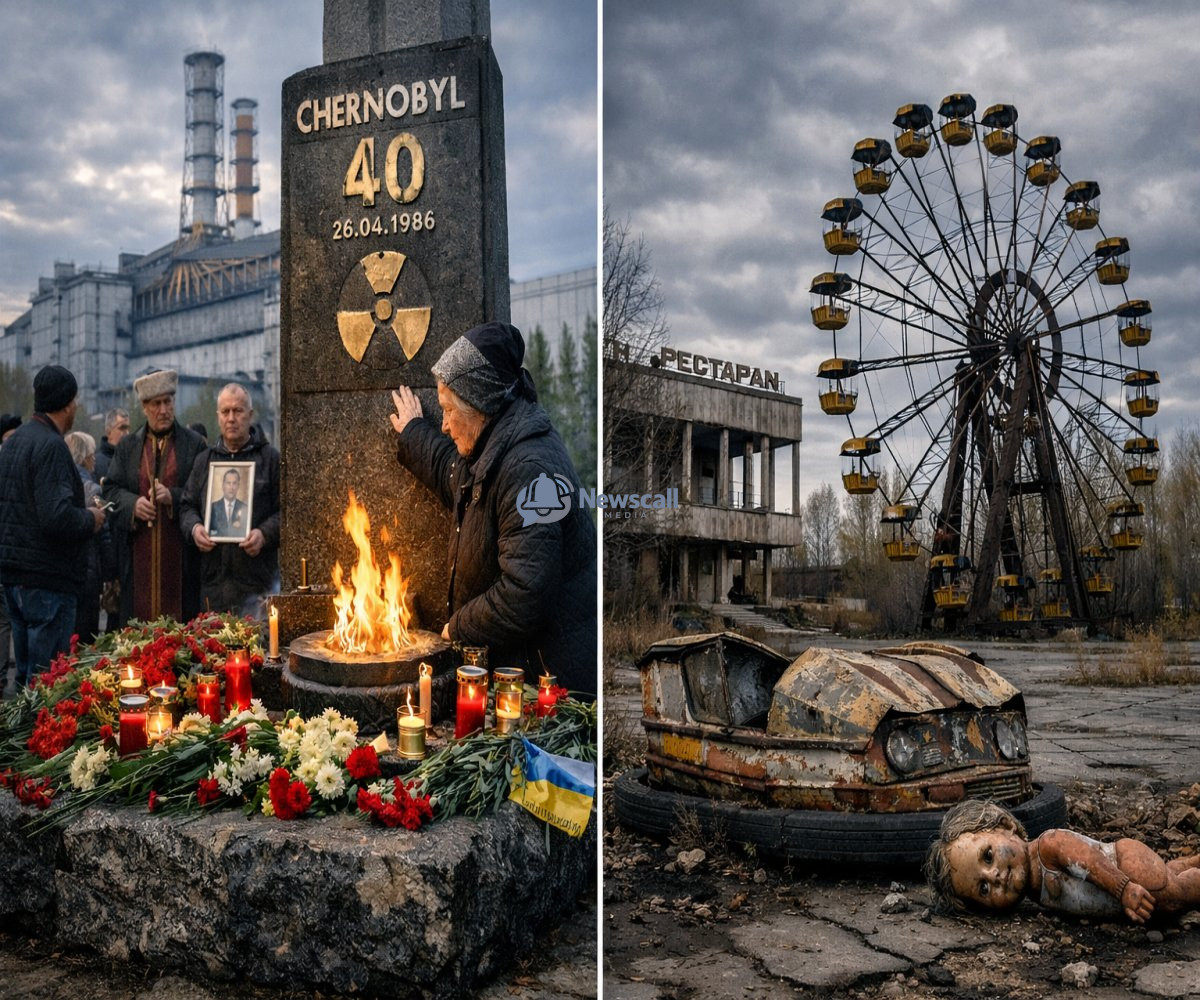
On April 26, 2026, Ukraine and the world mark the 40th anniversary of the Chernobyl disaster, the worst civilian nuclear accident in history. Commemorations are shadowed by Russia’s ongoing war, which has placed the site under fresh threat, reminding humanity of the enduring dangers of nuclear energy and conflict.
The Disaster That Changed the World
At 01:23 on April 26, 1986, a safety test at Reactor No. 4 of the Chernobyl Nuclear Power Plant went catastrophically wrong. A massive explosion tore through the reactor, spewing radioactive material across Ukraine, Belarus, Russia, and eventually much of Europe. The Soviet Union initially concealed the scale of the accident, but radiation spikes detected in Sweden forced global acknowledgment.
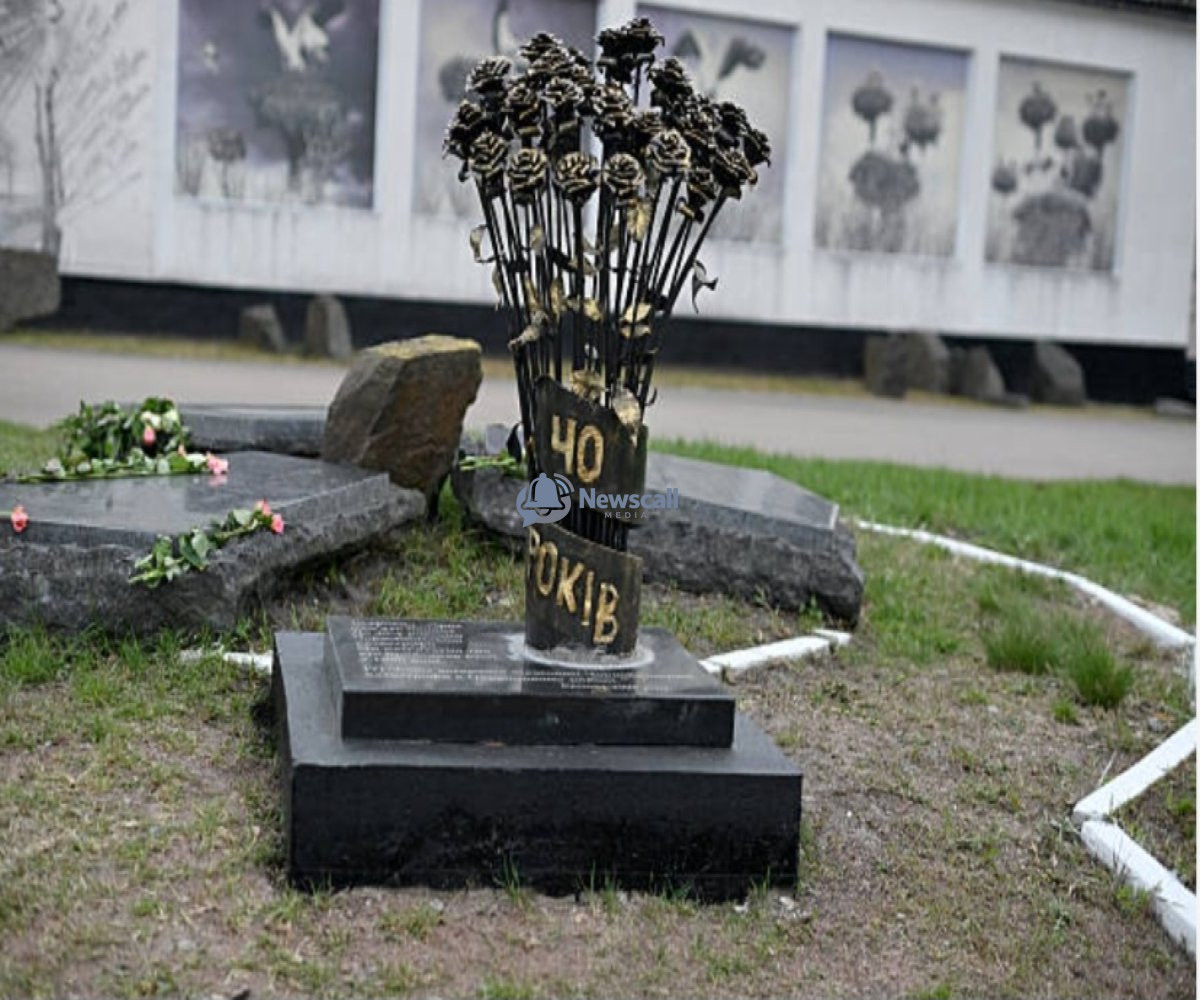
Thousands of “liquidators”—firefighters, soldiers, and engineers—were sent to contain the disaster, many exposed to lethal doses of radiation. Estimates of deaths vary widely: a UN report in 2005 suggested around 4,000 fatalities, while Greenpeace has argued the toll could be closer to 100,000.
Commemorations Amid War
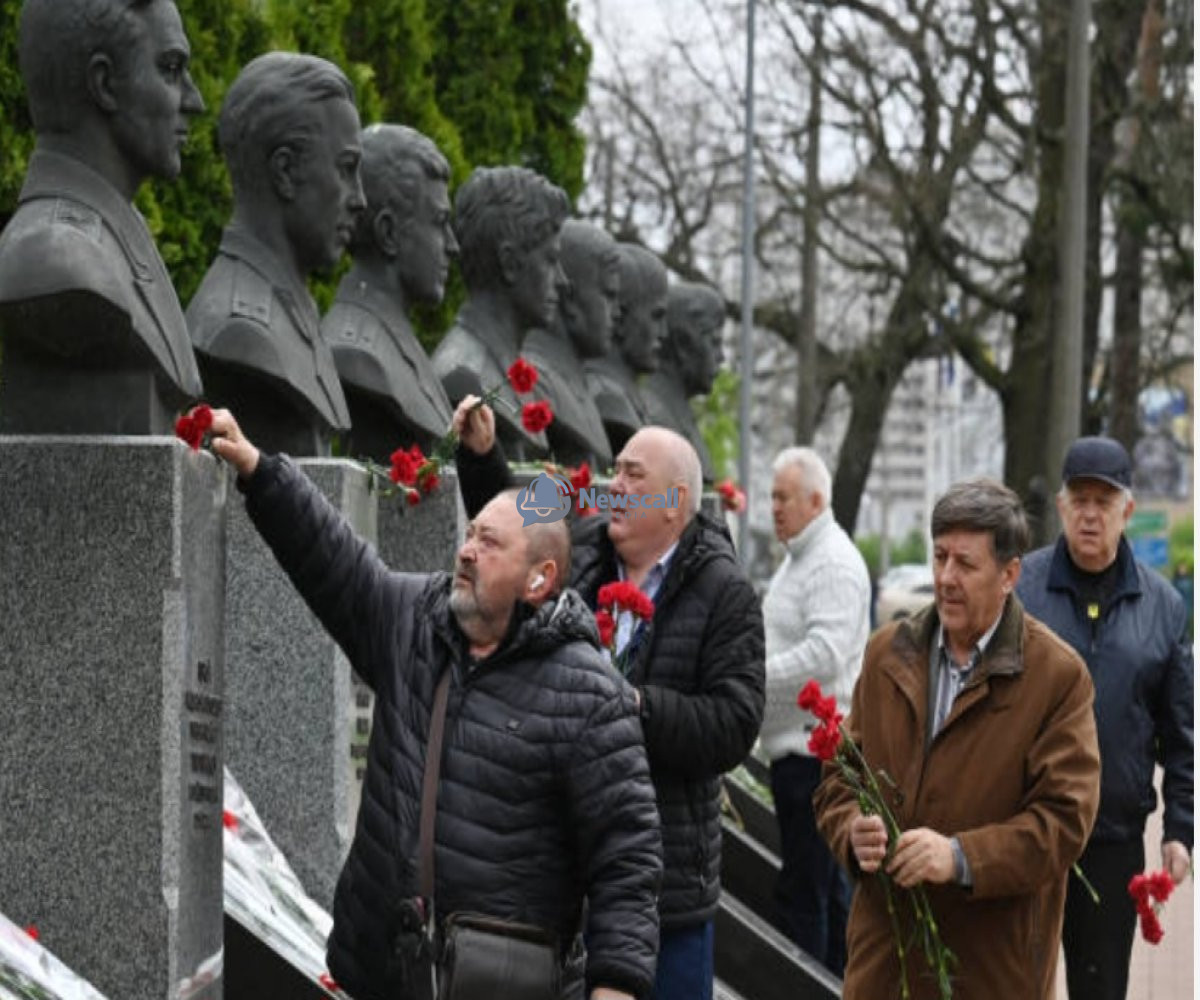
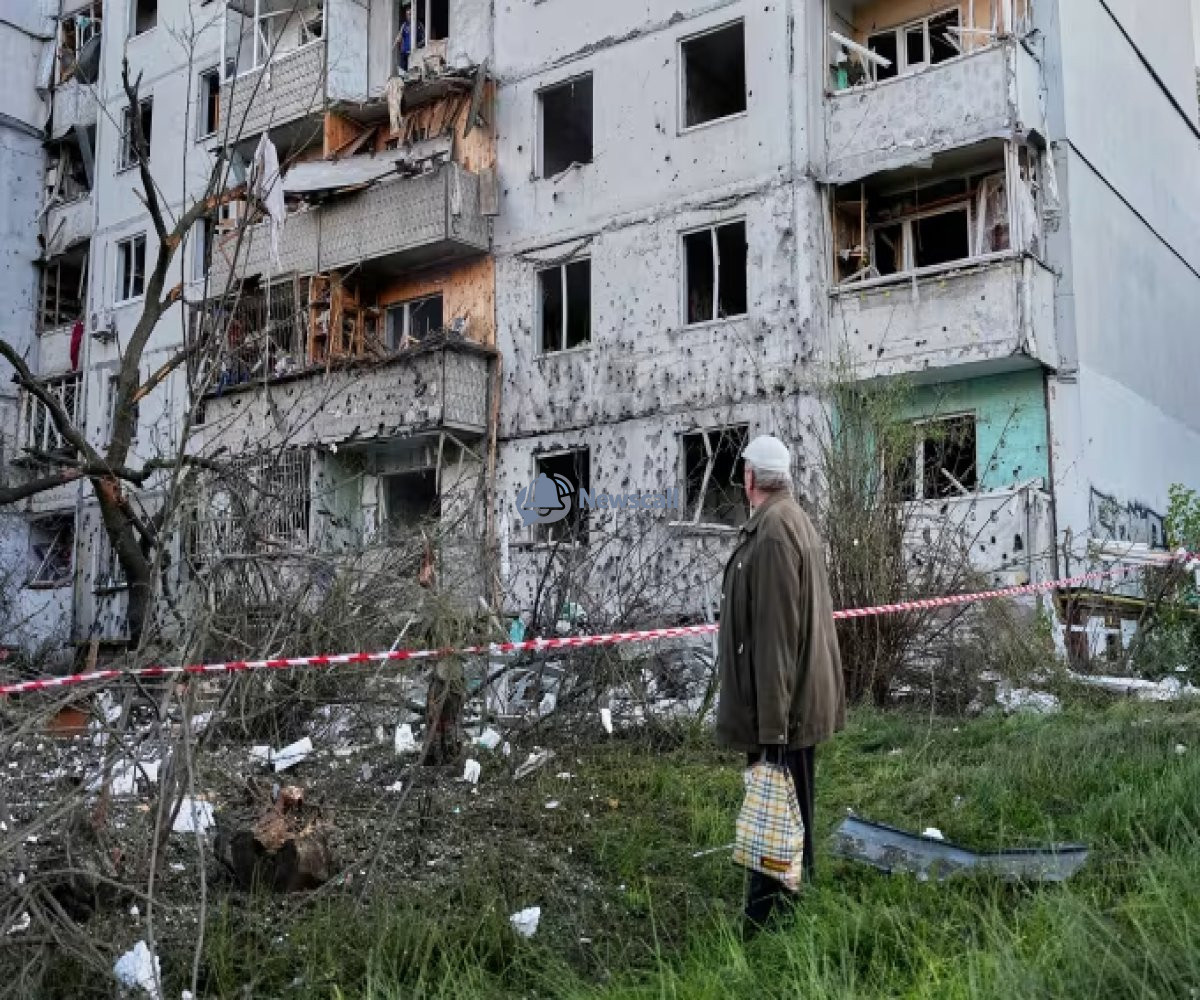
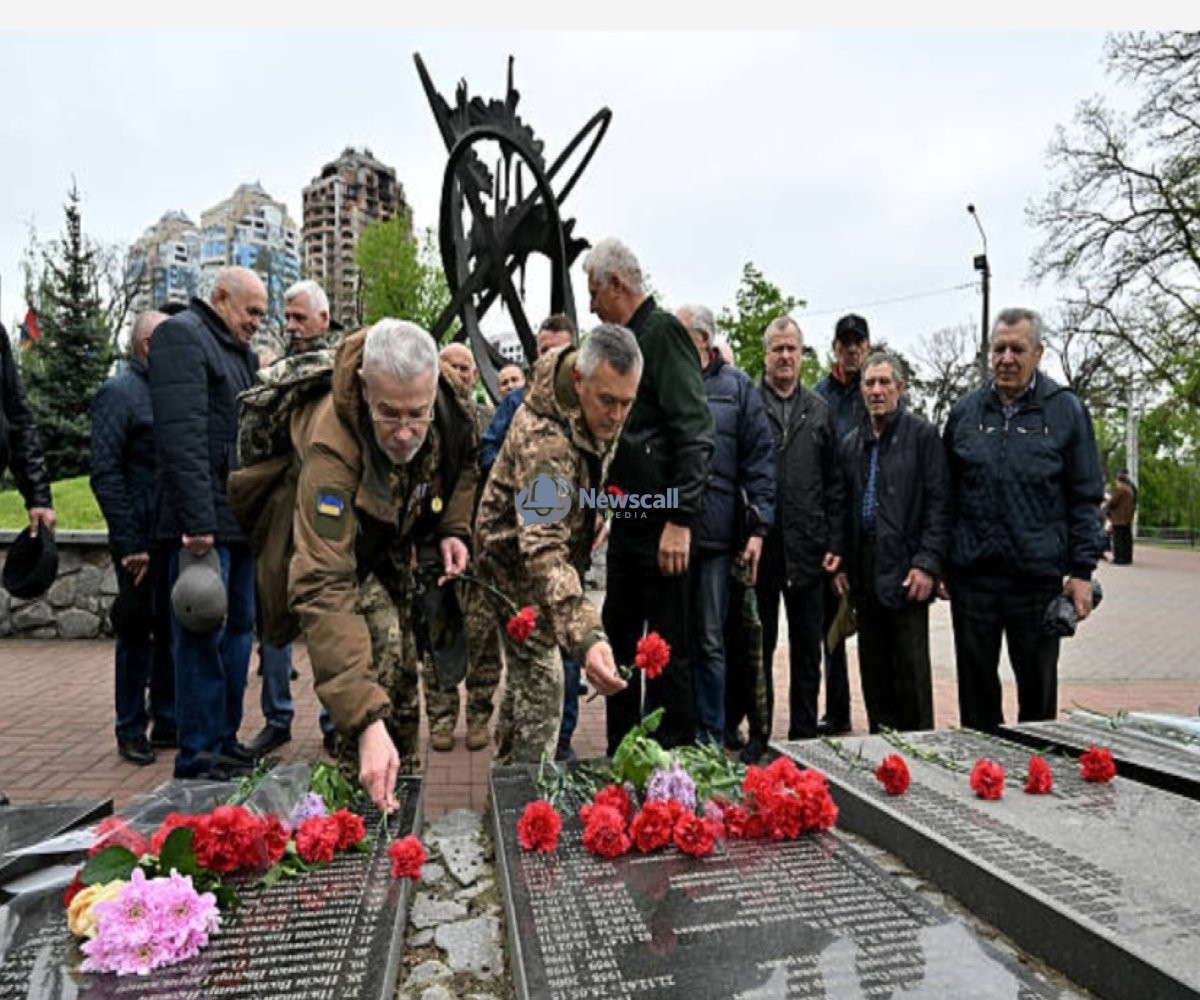
This year’s anniversary is marked by solemn ceremonies in Kyiv and Slavutych, the city built to house evacuated plant workers. Survivors and officials lit candles at memorials honoring the first responders who sacrificed their lives. Yet the commemorations carry new urgency: Russia’s war has repeatedly brought missiles and drones dangerously close to the site. In 2025, a drone strike even punctured the protective shield built over the reactor, though no radiation leak was detected.
Ukraine’s Energy Minister Denys Shmyhal described Chernobyl as “a symbol of the criminal irresponsibility of the Soviet system and of the heroism of the liquidators.” He warned that Russia’s war has heightened nuclear risks, echoing fears voiced by the International Atomic Energy Agency (IAEA), which has urged urgent repairs to the damaged shield.
Lessons for a Nuclear Age
Chernobyl’s legacy is twofold: it exposed the catastrophic potential of nuclear energy mismanagement, and it galvanized global anti-nuclear movements. Today, as nations debate nuclear power’s role in combating climate change, the disaster remains a cautionary tale.
The anniversary also underscores the vulnerability of nuclear facilities in wartime. With Russia’s invasion of Ukraine entering its fifth year, the specter of another nuclear accident looms large. The European Union has pledged fresh support for Ukraine’s energy infrastructure, but experts warn that safeguarding nuclear sites must be a global priority.
From Tragedy to Resilience
Despite devastation, Chernobyl has become a symbol of resilience. The exclusion zone, once a wasteland, now hosts wildlife and serves as a stark reminder of nature’s ability to reclaim. Survivors and their families continue to bear the scars, but their stories inspire renewed calls for accountability and vigilance.

OKORO WILSON EGWU
“Independent journalist delivering sharp, reporting on global conflicts, humanitarian crises, and international diplomacy. Known for transforming complex world events into...