

A Cycle of Fire and Grief: West Bank Engulfs in Chaos After Settler Attack.
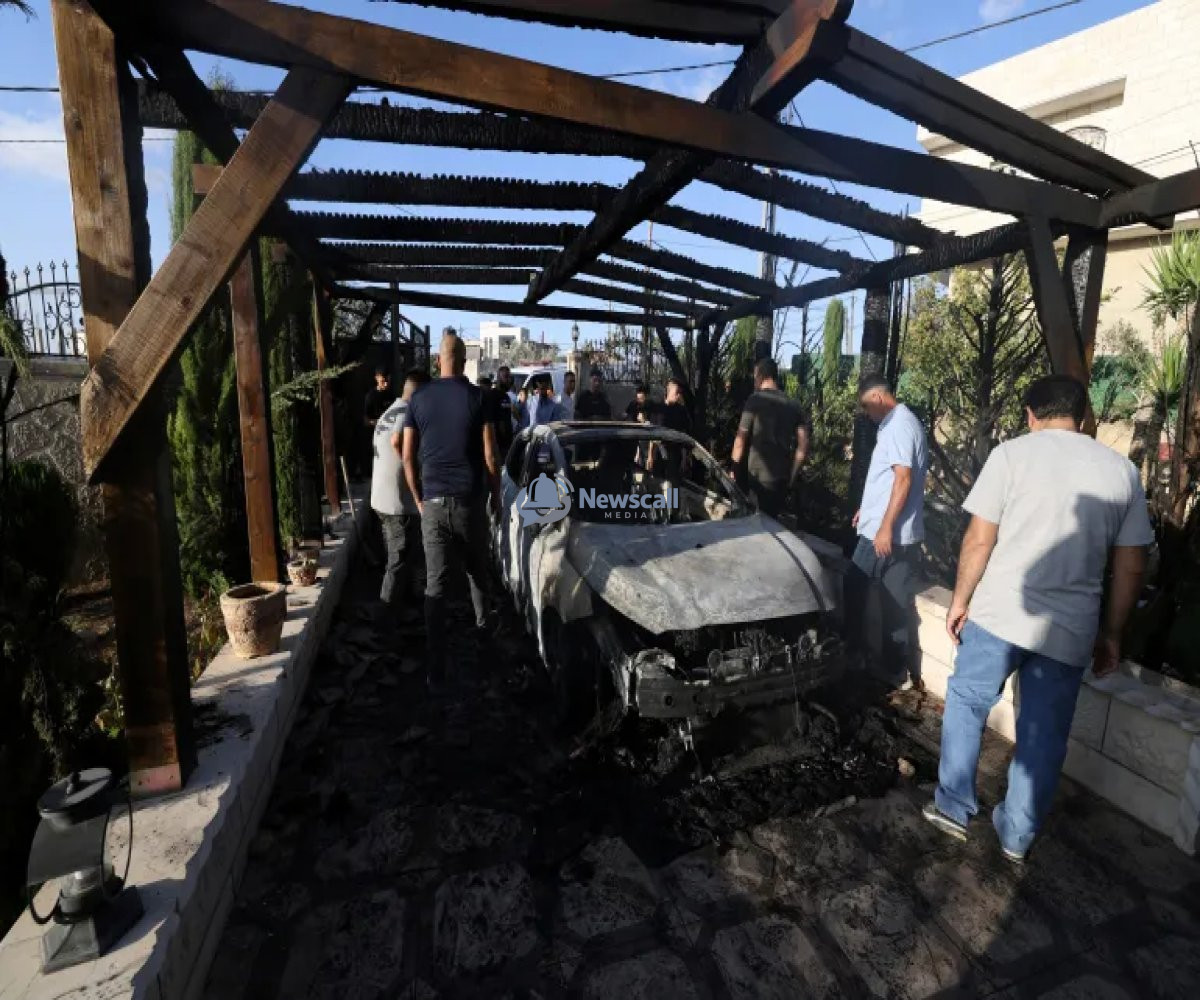
What began as a deadly clash outside Nablus has spiraled into days of arson, military raids, and collective punishment across the occupied territories.
It started on a quiet morning in the village of Tal, southwest of Nablus. On July 24, over 20 armed Israeli settlers from the illegal Havat Gilad outpost stormed the eastern edge of the village, attacking homes. Residents pushed them back, but the settlers returned shortly after, this time backed by Israeli soldiers.
Chaos erupted. In the violent scramble, a Palestinian man reportedly grabbed a settler's rifle, shooting him dead. Soldiers then shot the Palestinian man. By the time the dust settled, four members of the Ramadan family lay dead, along with the settler and an Israeli soldier.
Instead of de-escalation, the retaliation was swift and brutal.
Israeli Prime Minister Benjamin Netanyahu ordered a "wide-scale military operation," promising to accelerate the "regularisation" of settler outposts effectively legitimizing land grabs even as the smoke rose from Palestinian homes. His ministers echoed the fury; one called for an "iron fist," while another chillingly suggested every West Bank village should face the same fate as parts of Gaza.
Over the following days, the West Bank was set ablaze.
Israeli forces raided Tal nightly, dragging 30 to 50 residents from their beds and ransacking 70 homes. The crackdown spread like wildfire to Jenin, Ramallah, Hebron, and even into hospitals in Nablus, where medical staff were handcuffed and a wounded patient was pulled from his bed.
But the state led raids were only half the story. Settlers rampaged through villages across the territory, engaging in what is known as "price tag" attacks retaliatory violence meant to punish entire communities.
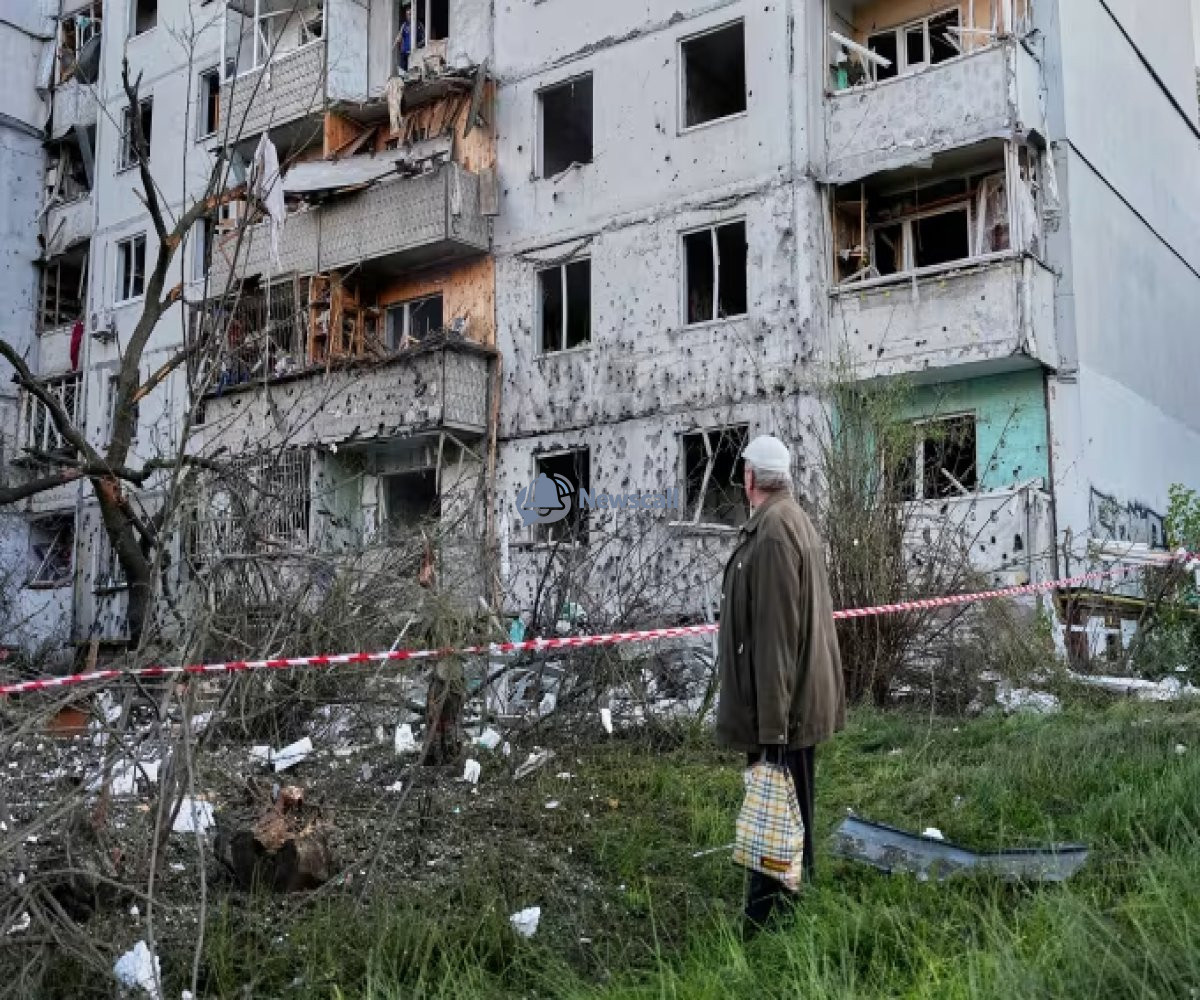
In the village of Sarra, settlers burned six homes and five vehicles. In Farata, they torched a woodworking shop and farmland, emptying the water tanks of a civil defense truck trying to extinguish the flames. Before dawn on Sunday, two mosques were set alight one in Qusra, defaced with Hebrew graffiti reading "revenge for Benayahu," and another in Kour, sprayed with racist slogans.
In the midst of this, human stories of tragedy emerged.
An infant, not yet two months old, was saved only because her grandfather pulled her from a burning crib in Urif as more than 150 settlers surrounded her home. In Awarta, a six-month pregnant woman lost her baby after soldiers prevented her from passing a closed gate and searched her while she was suffering extreme bleeding.
Roads were sealed. Checkpoints multiplied. Ambulances were delayed, leaving kidney dialysis patients stranded. The West Bank is now effectively a collection of isolated islands, with villages and cities cut off from one another.
Meanwhile, in Gaza, the so-called "post-ceasefire" period has proven deadly. The death toll has surpassed 1,200 since October, with drone strikes and shelling continuing to target hospitals, residential blocks, and even civilians in the street.
In one heartbreaking moment, Khaled al-Breem was killed by a drone in Khan Younis as he walked to buy sweets to celebrate his high school exam results with visiting relatives.
The humanitarian situation is worsening. Food aid is being slashed, miscarriages have tripled, and the Israeli army is carving deeper into the Gaza Strip with a new earthen barrier, dividing the territory further.

Umeanozie Prosper
Writer, Novelist,blogger, content creator